

President William Ruto has officially launched a nationwide public consultation process to develop Kenya’s next long-term national development blueprint, marking the start of efforts to formulate a successor to Vision 2030, the country’s flagship development strategy that reaches its planning horizon in 2030.
The consultations, launched at the Kenyatta International Convention Centre (KICC), are expected to bring together Kenyans from all 47 counties to help shape a new development framework that will guide the country’s economic, social and institutional priorities for the decades ahead. According to President Ruto, the exercise is intended to produce a national vision that reflects the aspirations of citizens rather than the agenda of any one administration.
Speaking during the launch, the President said the successor to Vision 2030 must be rooted in broad public participation and national consensus, in line with the Constitution.
“This will be a national agenda owned by the people of Kenya, not a political project or the agenda of any one administration,” President Ruto said. “Our Constitution places public participation at the very heart of governance. It is therefore not merely my desire, but my constitutional duty, to ensure that the national vision which succeeds Vision 2030 is shaped through an inclusive, transparent, people-driven and genuinely national process.”
The President described the exercise as one of the country’s most significant public participation initiatives since the promulgation of the 2010 Constitution, saying it is designed to provide Kenya with a long-term development charter capable of guiding successive governments beyond political cycles.
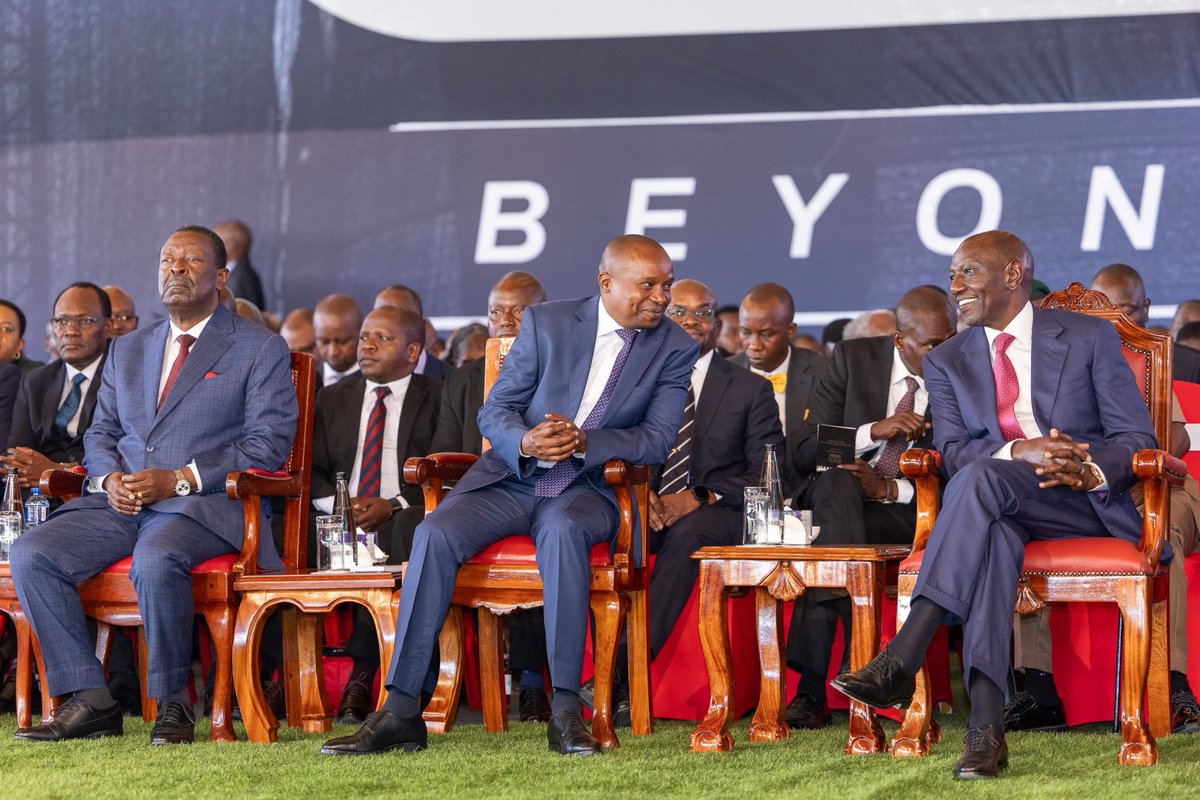
Launched in 2008 under former President Mwai Kibaki, Vision 2030 was designed to transform Kenya into a newly industrialising, middle-income country through sustained economic growth, improved infrastructure, better public services and institutional reforms. The strategy has since been implemented through successive five-year Medium-Term Plans.
While acknowledging the achievements recorded under Vision 2030, President Ruto said the country must honestly assess areas where targets have not been fully achieved as preparations begin for the next phase of national planning.
“Vision 2030 has brought us this far, but it is approaching its horizon. Honesty requires us to acknowledge that some of its ambitions remain unattained. In several respects, we are still falling short even of the very standards we set out for ourselves.”
“This is not a criticism of Vision 2030, nor is it a reason for disappointment, but a reason to reflect and adjust.”
He said the new framework should build on the successes of Vision 2030 while responding to emerging challenges such as technological change, climate resilience, demographic shifts and global economic competitiveness.
The consultation process follows recommendations presented by an expert team that included Kisumu Governor Prof. Anyang’ Nyong’o, Japanese political scientist Prof. Hiroyuki Hino, and other specialists invited to examine Kenya’s future beyond Vision 2030.
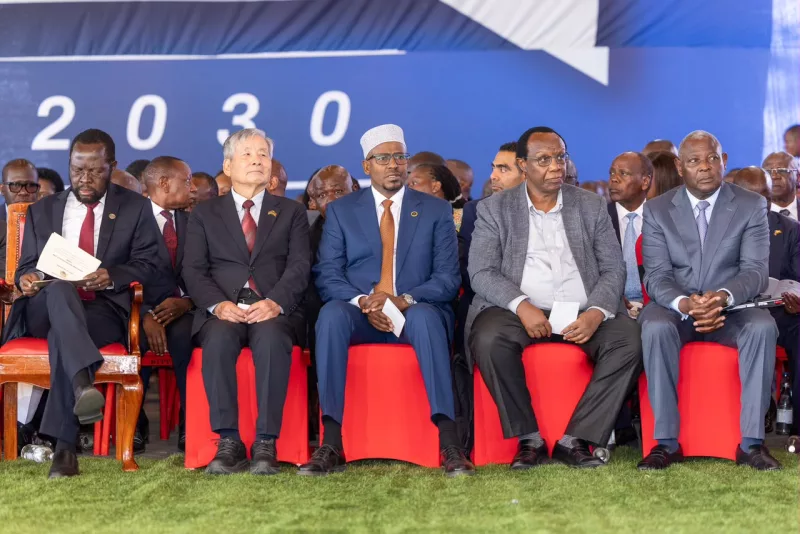
According to President Ruto, the experts proposed a long-term development framework aimed at positioning Kenya as a prosperous, industrialised and globally competitive economy within one generation.
“The thrust of their proposals is both ambitious and achievable: that Kenya can become a prosperous, high-income, industrialised and globally competitive nation within one generation, provided we remain united in purpose, disciplined in execution and unwavering in our commitment to long-term national transformation,” the President said.
The recommendations presented during the launch place significant emphasis on three broad areas expected to drive Kenya’s future growth: agricultural transformation, industrial development, and the digital economy.
Agriculture remains central to the proposals, with priority given to improving productivity, strengthening food security and expanding value addition in sectors such as tea, coffee, dairy, livestock and horticulture.
Manufacturing is expected to play a larger role in job creation and export growth, while investment in technology, innovation and digital infrastructure is viewed as critical to enhancing Kenya’s competitiveness in the global economy.
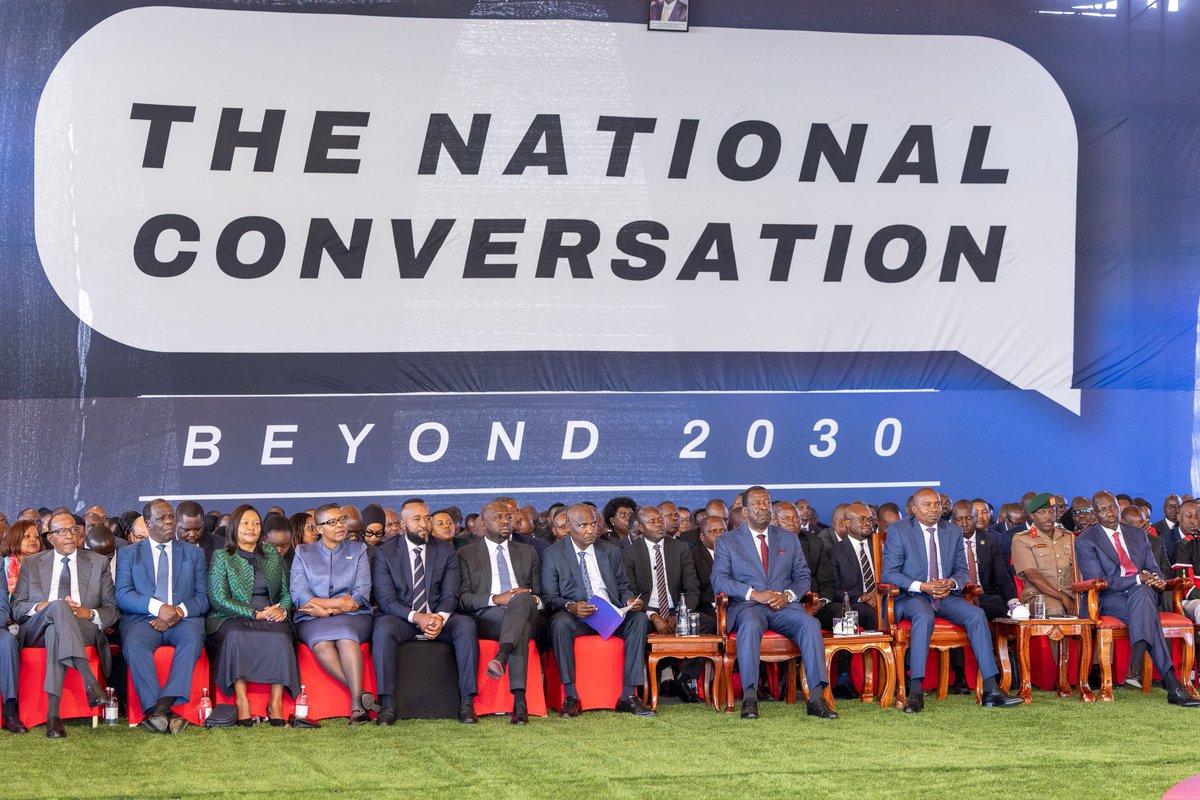
Among the recommendations presented by the expert team is the establishment of a National Economic and Social Council to provide long-term oversight of the country’s development agenda and help maintain policy continuity across different administrations. The proposals also include legislation that would anchor the new national development blueprint in law and continue implementation through successive five-year Medium-Term Plans. These remain proposals that will be considered during the consultation process and have not yet been adopted as government policy.
The government says the consultation process will now move to all 47 counties, bringing together county governments, political parties, businesses, universities, professional associations, faith-based organisations, workers’ organisations, civil society groups, innovators, the creative industry and young people.
President Ruto said every sector of society should have an opportunity to contribute to shaping Kenya’s long-term future.
“We shall bring together every institution of our Republic, every county and every generation,” he said.
The public engagement process is expected to gather views from across the country before the government prepares a final development blueprint for consideration and adoption.
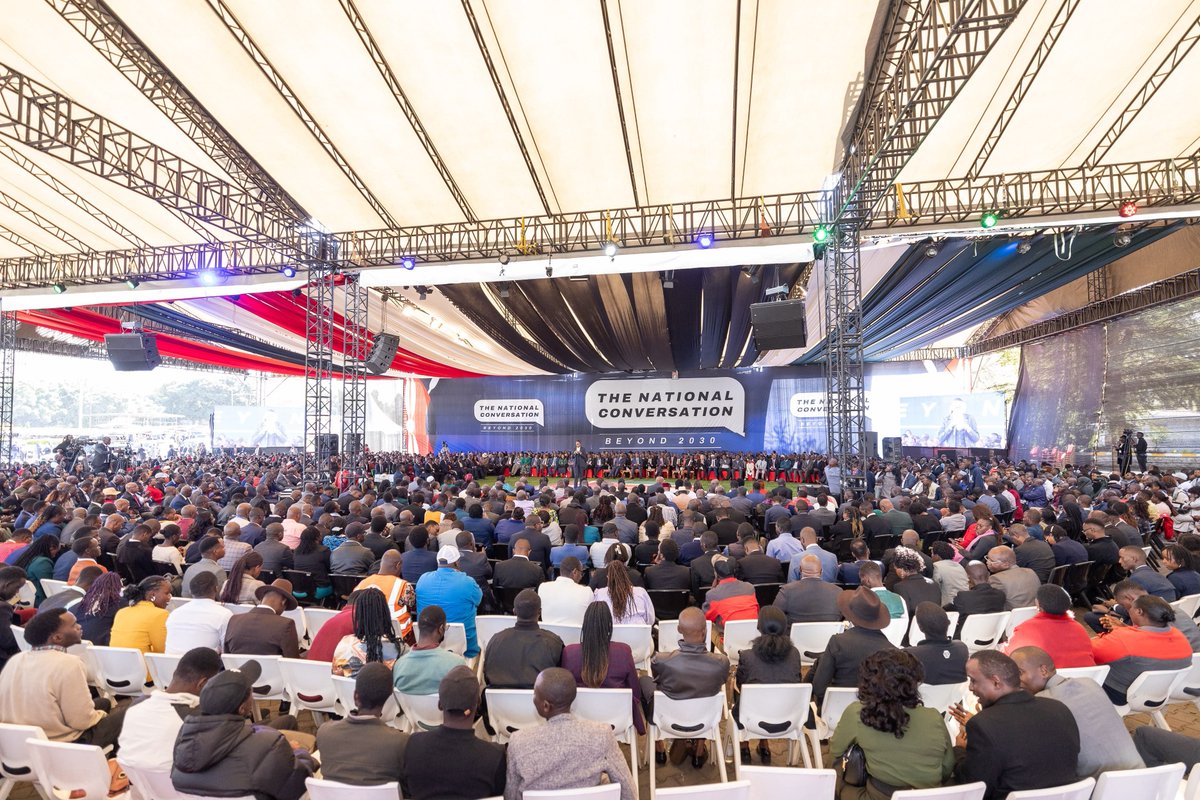
The launch comes as Kenya continues to confront challenges including public debt, unemployment, climate change, rapid urbanisation and growing demand for quality public services. Government officials say the successor framework is intended to provide a long-term roadmap for addressing these issues while supporting sustainable economic growth and national competitiveness.
If adopted after the public consultation process, the new blueprint is expected to become Kenya’s principal long-term development framework after Vision 2030, guiding national planning and investment beyond the current strategy’s 2030 horizon.