

Colombia has declared three days of national mourning following a powerful 7.4-magnitude earthquake that has killed more than 200 people, as emergency crews race to rescue survivors trapped beneath collapsed buildings in one of the country’s deadliest natural disasters in decades.
The announcement was made on Wednesday by the Colombian government, which ordered that national flags be flown at half-staff at government institutions and Colombian embassies worldwide in honour of those who lost their lives. Authorities said the period of mourning is intended to pay tribute to the victims and express solidarity with thousands of families affected by the disaster.
The earthquake struck western Colombia on Monday, causing widespread destruction across several cities, including Cali, Pereira, Manizales and Quibdó. Officials said the disaster has destroyed or severely damaged thousands of homes, hospitals, schools and public buildings, leaving many communities without shelter or basic services.
Rescue operations entered a critical phase on Wednesday as emergency workers, soldiers and volunteers continued searching through the rubble for survivors. Authorities said the death toll is expected to rise as recovery teams gain access to heavily affected areas and account for people still reported missing. Frequent aftershocks have complicated rescue efforts, forcing crews to balance the urgency of reaching survivors with the safety of personnel working at unstable sites.
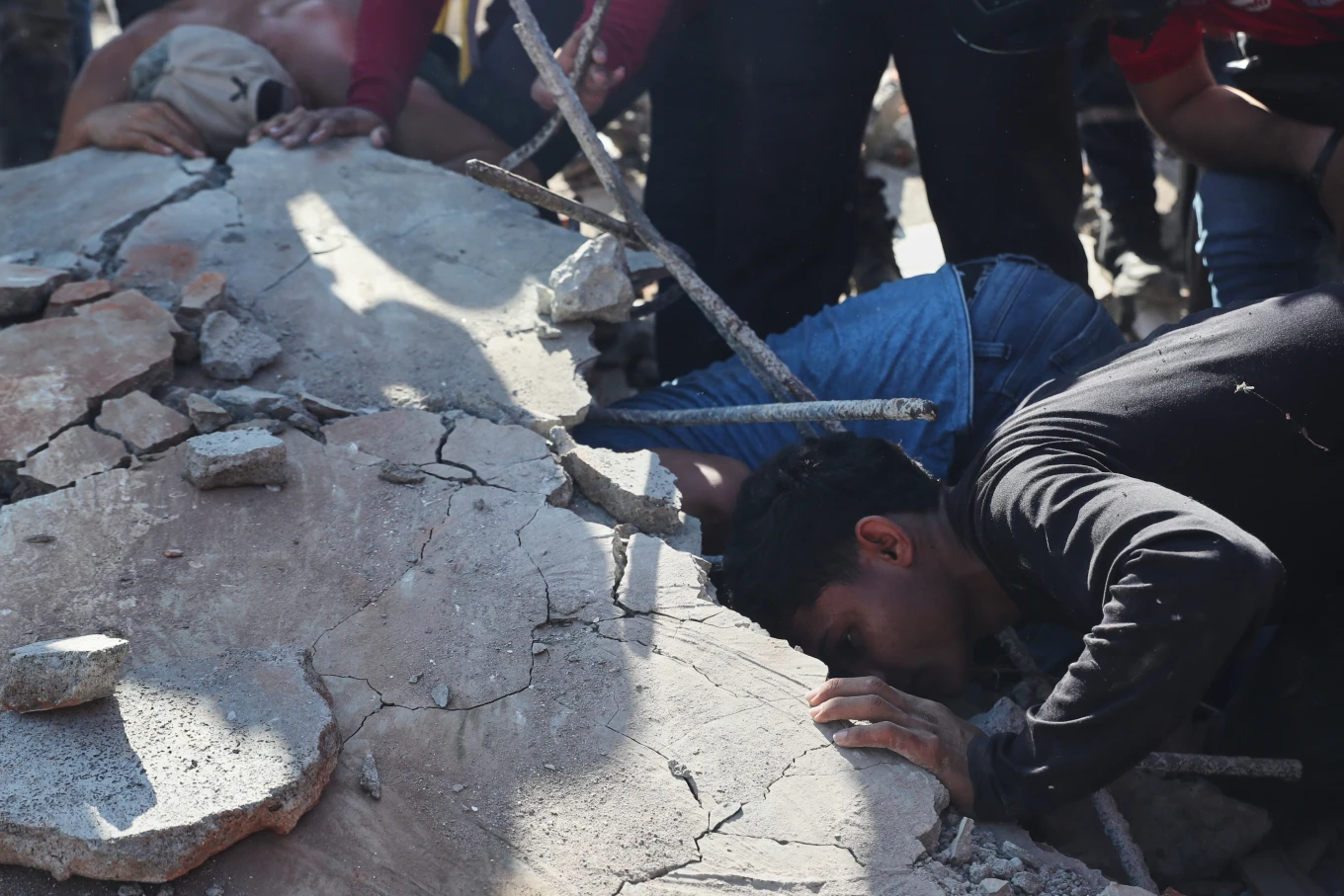
The Colombian government has mobilised national emergency agencies, military units and disaster response teams to support search-and-rescue operations, while temporary shelters have been established for displaced families. Medical teams have also been deployed to treat thousands of injured survivors as hospitals in some of the worst-hit areas struggle to cope with the surge in patients.
The disaster has prompted an international response, with several countries dispatching specialised rescue teams, emergency supplies and humanitarian assistance. International agencies have also pledged support for relief operations as Colombia begins assessing the full scale of the destruction and the resources needed for recovery.
President Abelardo De La Espriella, who assumed office only days before the earthquake struck, has pledged to establish an emergency reconstruction fund to rebuild damaged homes, schools, hospitals and critical infrastructure. He said the government’s immediate priority remains saving lives, supporting displaced families and restoring essential services in affected communities.
The 7.4-magnitude tremor has been described by seismologists as the strongest earthquake to hit Colombia this century, underscoring the scale of the devastation. The country lies within the Pacific Ring of Fire, one of the world’s most seismically active regions, where earthquakes are common because of the movement of tectonic plates.
As rescue efforts continue, authorities have urged residents to remain vigilant because of the risk of further aftershocks and to follow evacuation and safety instructions issued by emergency services. The government has indicated that the national mourning period will be accompanied by continued humanitarian assistance and a comprehensive assessment of the country’s recovery needs.