

Former Interior Cabinet Secretary Fred Matiang’i has questioned the government’s handling of political tensions in Homa Bay, arguing that President William Ruto and senior security officials would have been aware of developments because of the way Kenya’s national security system operates. Speaking amid scrutiny of violence linked to political activities in Homa Bay, Matiang’i said the scale of the incidents made it unlikely that the country’s top leadership was unaware of what was happening.
Matiang’i, who served as Interior CS under former President Uhuru Kenyatta, said the President receives regular security briefings on significant developments. His remarks were made as attention remained focused on the Linda Mwananchi rally held in Homa Bay on August 16, 2026, which was marred by reports of violence, disruption and attacks on journalists. Concerns over security had emerged before the rally.
Suba South MP Caroli Omondi, a spokesperson for Linda Mwananchi, had called on Inspector General of Police Douglas Kanja to guarantee the safety of supporters attending the event. The movement had also alleged that groups of youths could be mobilised to disrupt the gathering, although those claims had not been independently established at the time. Homa Bay County Commissioner Ronald Mwiwawi also warned politicians against using civilian groups to provide security at political events, saying such responsibilities should remain with law-enforcement agencies. The warnings came amid rising political activity and confrontations in the county.
The situation deteriorated around the August 16 rally, with reports of confrontations and disruption. Amnesty International Kenya later condemned what it described as violence associated with political activities in Homa Bay, citing reported attacks on journalists, disruption of media broadcasts, destruction of property and road blockades. Two journalists were also reportedly assaulted while covering the events, according to reports carried by NTV.
The developments have raised questions over whether adequate security preparations were made ahead of the rally and whether authorities acted on warnings issued before the event. Matiang’i argued that the Homa Bay incidents should not be treated simply as isolated local clashes. Drawing on his experience at the Interior Ministry, he said information collected by security agencies is routinely transmitted through the national security structure to senior government officials. He therefore questioned how events involving significant political mobilisation and violence could occur without senior authorities being aware of the risks.
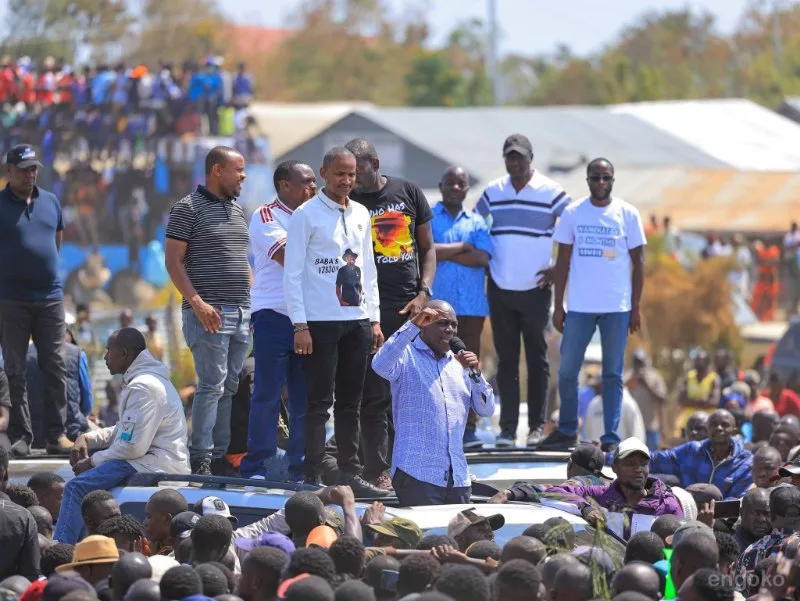
Matiang’i also criticised what he described as growing political intolerance as parties and political movements begin positioning themselves ahead of the 2027 General Election.He questioned why political groups should be prevented from holding rallies in different parts of the country.
“If Linda Mwananchi was going to Homa Bay to have a rally, they were not carrying away the residents of Homa Bay,” Matiang’i said, arguing that political groups should be allowed to address voters without intimidation.
He warned that political violence could have wider consequences for Kenya’s stability and democratic environment. The Homa Bay events have placed renewed attention on the preparedness and conduct of security agencies during political gatherings. Key questions include what intelligence was available before the rally, which officials received it, whether adequate officers were deployed and whether those suspected of committing offences will face investigation and prosecution.
For now, Matiang’i’s assertion that the President would have been informed remains a political claim based on his experience of Kenya’s security system, rather than independently verified evidence that Ruto personally knew about each incident.
The events nevertheless highlight growing concerns over political intolerance and security preparedness as Kenya moves closer to the 2027 elections.