

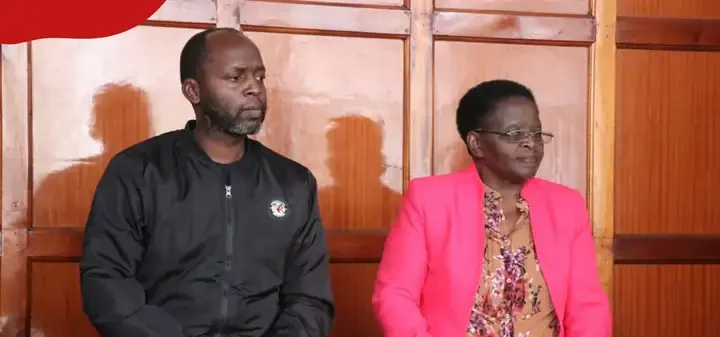
Rose Mbithe Mulwa and her son, Chris, have been arraigned in court in connection with the fatal shooting of renowned Kenyan clinical psychologist and mental health researcher Dr. Victoria Mutiso, marking a significant development in one of the country’s most closely watched murder investigations.
The two appeared before court as the prosecution formally commenced legal proceedings following investigations into the killing of Dr. Mutiso, who was shot dead in Nairobi earlier this week. The court process now shifts the case into the judicial system, where prosecutors are expected to present the evidence gathered during the investigation.
According to court proceedings, Rose Mbithe Mulwa is the former wife of Prof. David Musyimi Ndetei, Dr. Mutiso’s husband. Public court records indicate that Mbithe and Prof. Ndetei divorced more than 25 years ago following matrimonial proceedings that were concluded long before the events now under investigation.
At the time of publication, investigators had not publicly disclosed the full details of the evidence linking the accused persons to the killing. The prosecution is expected to outline its case as the matter progresses through the courts.
The Directorate of Criminal Investigations (DCI) has previously stated that detectives had been pursuing multiple leads following the fatal shooting before making the arrests. The agency has maintained that investigations are continuing and that additional evidence may be presented during the trial.
Under Kenyan law, an arraignment is the formal presentation of suspects before a court and does not amount to a determination of guilt. The accused persons are presumed innocent unless and until they are convicted by a court of competent jurisdiction.
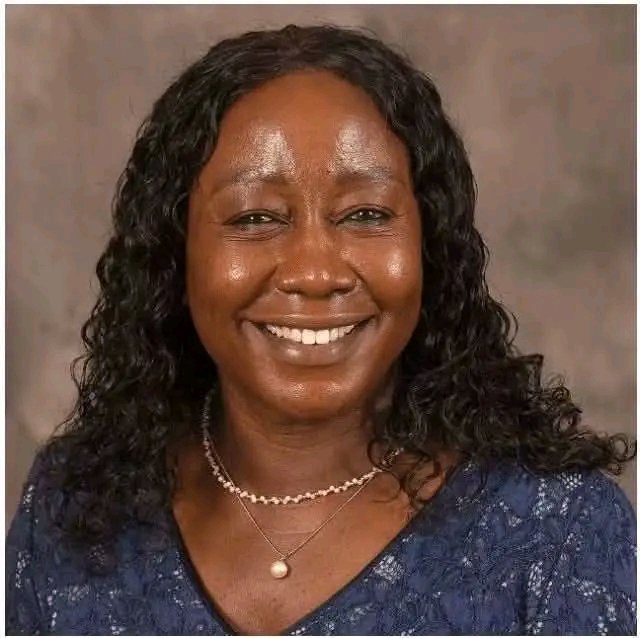
Dr. Mutiso was widely regarded as one of Kenya’s leading mental health experts. Throughout her career, she contributed extensively to research on depression, suicide prevention, substance use disorders and access to mental healthcare. She also worked with local and international institutions on mental health policy, public health research and the expansion of psychological services in Kenya and across Africa.
Her death prompted widespread condemnation from the medical and research community, with colleagues describing the loss as a major setback to Kenya’s mental health sector.
In a statement following her death, the Kenya Psychiatric Association paid tribute to Dr. Mutiso, describing her as:
“A distinguished psychiatrist, researcher and mentor whose contribution to mental health in Kenya and beyond will be remembered.”
Similarly, colleagues at the Africa Mental Health Research and Training Foundation (AMHRTF) remembered her as a dedicated researcher whose work helped shape mental health policy and strengthen evidence-based care across the region.
The case has attracted considerable public attention because of Dr. Mutiso’s stature within Kenya’s medical community and the relationship between one of the accused and Prof. Ndetei. However, legal experts note that personal relationships alone do not constitute evidence of criminal liability, and the determination of responsibility will depend entirely on the evidence presented before the court.
The prosecution is expected to continue presenting its case during subsequent court appearances, while the defence will have the opportunity to respond to the allegations and challenge the evidence before the court reaches any determination.
The matter remains before the court, and further details are expected to emerge as the trial progresses.