

Kenya Power has reported a modest increase in profit after tax for the financial year ended June 30, 2026, with stronger electricity sales and lower financing costs helping offset higher operating expenses. The utility posted a profit after tax of Ksh24.99 billion, representing a 2.13 per cent increase from the KSh24.47 billion recorded in the previous financial year. Kenya Power attributed the improvement primarily to higher electricity revenue, increased customer connections and better distribution and transmission efficiency. Electricity sales increased by 12.05 per cent to 12,777 gigawatt-hours (GWh), up from 11,403 GWh in the previous financial year. Electricity revenue consequently rose by KSh18.96 billion to Ksh238.24 billion.
The company connected 411,710 new customers during the year, taking its customer base to approximately 10.4 million.
A significant boost to the bottom line came from a reduction in the cost of servicing Kenya Power’s debt. Finance costs fell by 34.68 per cent, or KSh1.64 billion, to KSh3.08 billion. Kenya Power said the decline was mainly due to lower interest expenses following a reduction in outstanding loan balances. Total borrowings fell to about Ksh79.8 billion, from approximately KSh87.6 billion a year earlier, according to The Star. The reduction in debt also contributed to an improvement in the company’s liquidity position. Working capital moved from a negative KSh19.21 billion at the end of June 2025 to a positive Ksh1.90 billion a year later.
Kenya Power Managing Director and Chief Executive Officer Joseph Siror said the improved financial position was the result of measures aimed at strengthening the company’s operations and balance sheet.
“This year’s business performance reflects the Company’s sustained implementation of strategic initiatives focused on operational excellence, customer centricity, financial sustainability and human capital development,” Siror said.
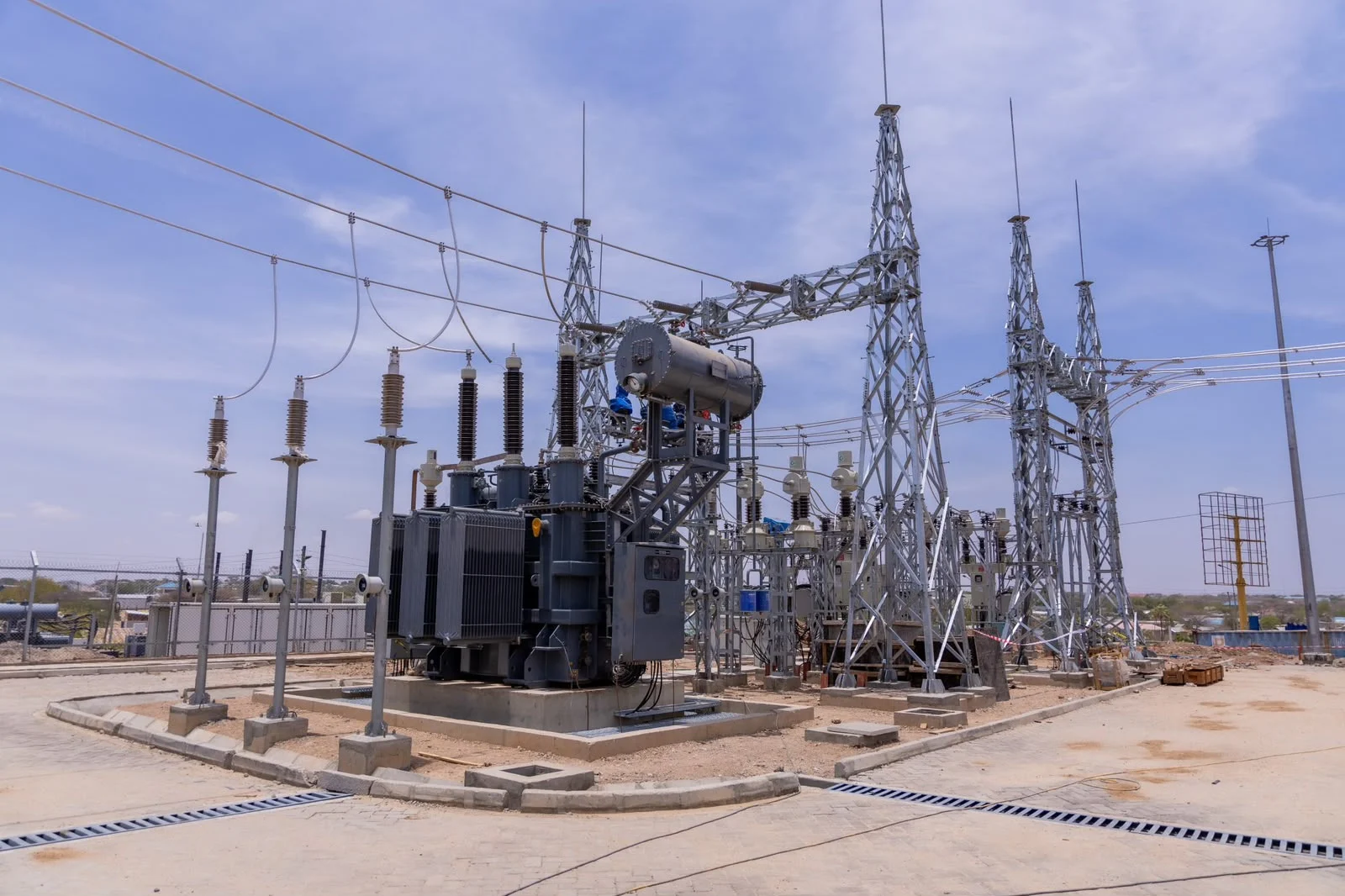
Kenya Power also recorded an improvement in the efficiency of its electricity distribution and transmission network. The efficiency rate increased from 78.79 per cent to 81.42 per cent, which the company linked to investments in network reinforcement, automation, additional distribution capacity and revenue-protection measures. The utility invested Ksh28 billion in capital expenditure during the year to expand, reinforce and modernise its electricity network. Total assets consequently increased by KSh32.45 billion to KSh421.49 billion. However, higher operating expenses continued to weigh on the company’s overall earnings. Net operating expenses increased by KSh11.3 billion to KSh53.8 billion, with higher staff costs, depreciation and expected credit losses contributing to the increase.
Kenya Power’s board has recommended a final dividend of Ksh1.20 per ordinary share. Together with the KSh0.30 interim dividend already paid, the proposed total dividend for the financial year stands at Ksh1.50 per share, compared with KSh1.00 paid for the previous financial year. Siror said the company would focus on grid automation, smart metering, revenue protection, digital customer services and continued network investment as electricity demand grows.
“Going forward, the Company will focus on translating its improved financial position into better service delivery and sustained shareholder value,” he said.
Kenya Power’s latest results therefore reflect a combination of higher electricity consumption, customer growth, improved network efficiency and reduced financing costs, while rising operating expenses remain an area of pressure on profitability.