

By Clarice Odhiambo
For years, Somali referee Omar Abdulkadir Artan pursued a single goal. In 2026, that dream appeared within reach when FIFA selected him to officiate at the FIFA World Cup, making him the first Somali referee ever chosen for the competition.
However, his journey came to an unexpected halt in Miami, where U.S. authorities denied him entry into the country just as he was preparing to take part in the tournament.
Artan, 34, had earned widespread respect across African football. He officiated major competitions, including the CAF Champions League and the African Cup of Nations. In 2025, he was named Africa’s Best Male Referee, a recognition that brought pride to Somalia and strengthened hopes that more Somali officials could one day reach the global stage.
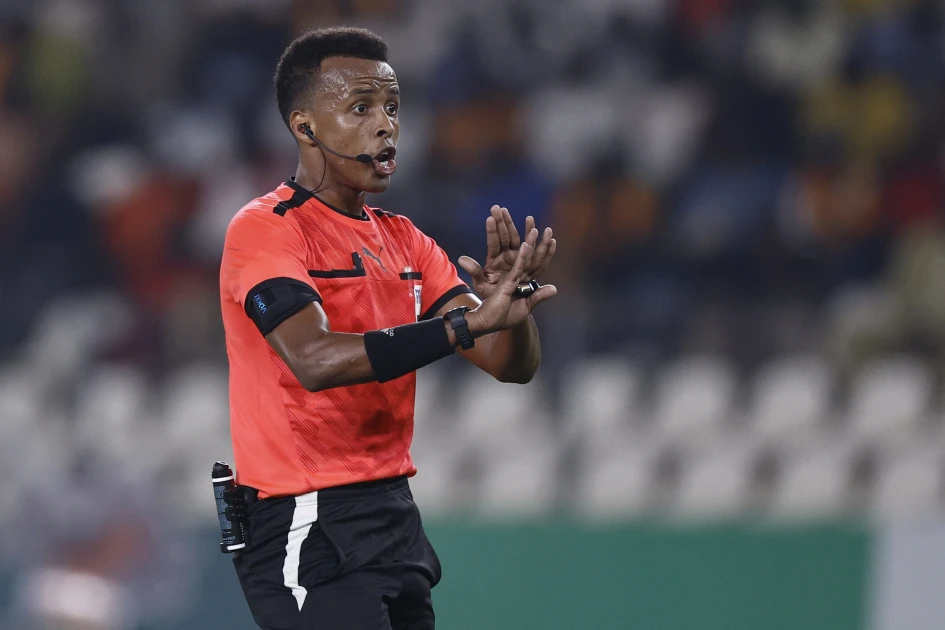
After arriving in the United States from Istanbul, Artan was subjected to additional screening by officers from U.S. Customs and Border Protection. Authorities later stated that he had been disqualified due to concerns raised during security vetting procedures.
Andrew Giuliani, who is leading the White House task force for the FIFA World Cup, said Artan was denied entry to the US for a “very good reason,” without offering further details. While U.S. officials later alleged links to individuals associated with extremist groups, no criminal charges have been filed against Artan. Following the ruling, FIFA confirmed that Artan would not participate in the World Cup and removed him from its list of tournament officials. The decision sparked widespread discussion among football fans and sports administrators around the world, many questioning how a referee approved by FIFA could be excluded from the sport’s biggest event.
Somali government officials strongly criticized the decision and questioned how the matter was handled. Back in Somalia, disappointment quickly gave way to admiration as hundreds of supporters gathered in Mogadishu’s Aden Adde International Airport to welcome him home. Omar Artan returned home on Wednesday to a swarm of fans and reporters. Crowds cheered, waved banners, and celebrated his achievements despite the setback. Government leaders, football officials, and ordinary citizens praised his dedication and resilience, describing him as a source of inspiration for young Somalis.
Addressing supporters upon his return, Artan encouraged young people to continue pursuing their ambitions despite obstacles. He thanked those who had supported him throughout his career and emphasized that the incident would not define his future. “I will be at the next World Cup and will continue to make Somalia proud… Despite what has happened to me, I am not discouraged,” Artan told journalists. Despite missing out on the World Cup, many Somalis continue to view Artan’s career as a success story rather than a failure. His rise from officiating local matches in Somalia to becoming Africa’s top referee and earning selection for the World Cup has inspired a new generation of referees across the country.