

President William Ruto has tabled four proposals that aim to reduce income tax, stamp duties on land deals, mobile phone prices and graduate unemployment. The president predicted that the proposed amendments would cushion many families while creating job vacancies for youngsters.
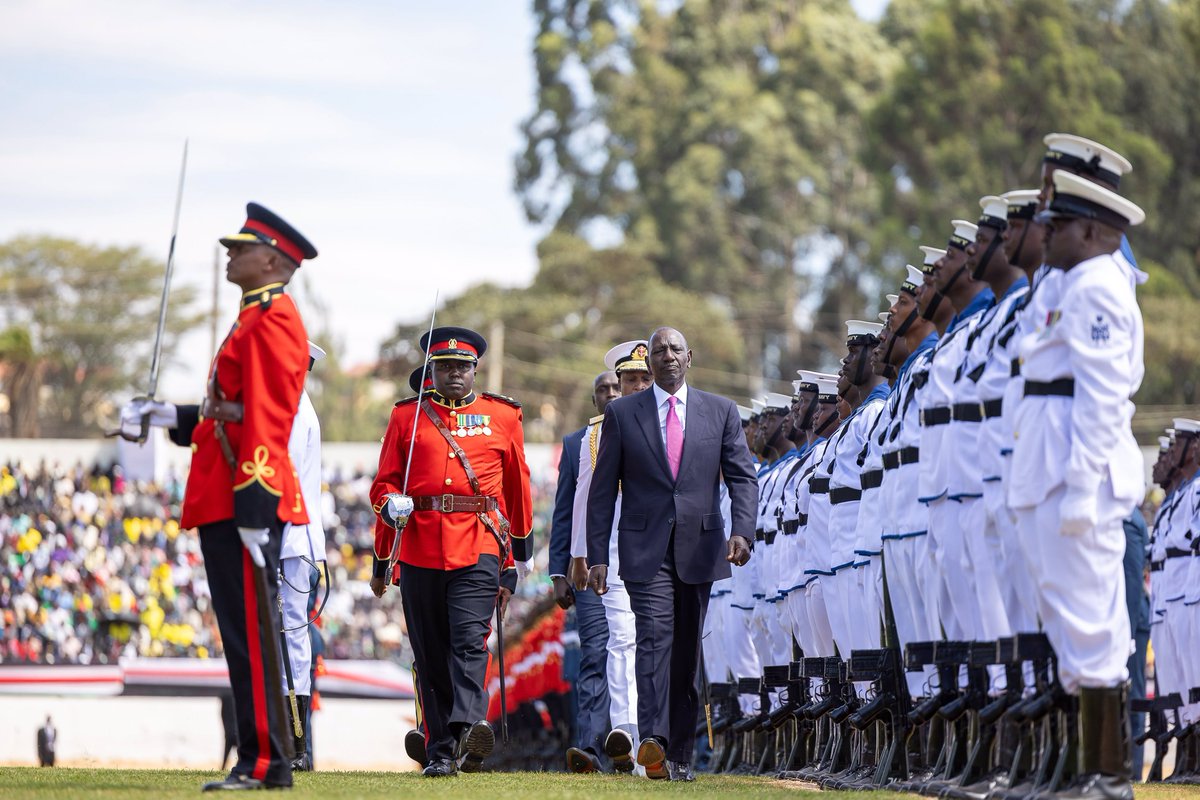
During his speeches on Mashujaa Day at Kipchoge Keino Stadium in Eldoret on Tuesday, 20 th October 2026, Ruto unveiled that a Pay As You Earn (PAYE) tax would be removed from every salaried employee whose monthly income is below 32,333 Shillings.
He also predicted that stamp duty on land transfers would be abolished on estates worth a million Shillings or less.
The president also promised to end the 25% duty tax on mobile phones. In addition, he announced an increase in graduate internships to 50,000 positions starting from next year. The above proposals will require legal and regulatory amendments to make them official.
According to Ruto, the government has a draft policy that will exempt every employee with a monthly income below 32,333 Shillings from the Pay As You Earn tax scheme.
The tax is paid directly to tax officials from an individual’s salary, so the exemption will increase the take-home income for many citizens. Technically, a PAYE taxpayer will notice an increase in their income because the tax is deducted from their income. Therefore, all employees with a monthly income below 32,333 Shillings should expect a raise in their salary.
Nevertheless, the exemption was only a proposal, and it might not materialize due to several factors. The government has to remove the tax from the tax laws and make amendments to the Tax Collection Act and 2019 Finance Act.
The President proposed that a duty of 25% should be removed from the list of taxes imposed on mobile phones. According to the government, smartphones have become critical in the educational, financial, business, and employment sectors.
Therefore, the proposed amendment will ease the burden of cell phone taxes, which citizens bear in billions of Shillings annually. The amendment will reduce the cost of mobile phones by 25%. However, the tax is a duty, and phone retailers will still incur expenses on duties and taxes when buying the phones in bulk. Consequently, the phone prices may not reduce significantly at the point of sale due to the many duties and taxes involved. The government will have to deliberate on the proposal before modifying the duty laws.
According to the president, the government is increasing the graduate internship program by 50,000 new jobs starting next year. The interns will include talented youths from colleges and universities. However, the government has not revealed the policies regarding the recruitment criteria, companies, and financial support for the program.
In conclusion, the four proposals have potential benefits and shortcomings. Ruto’s proposals will have a significant effect on taxpayers as they may reduce the income tax by huge proportions. Moreover, the abolition of duty charges on land transfers and mobile phones will considerably reduce the prices of many goods.
Nevertheless, some of the proposals might not work due to various factors. Moreover, the proposals will require legislative amendments before they can become official.