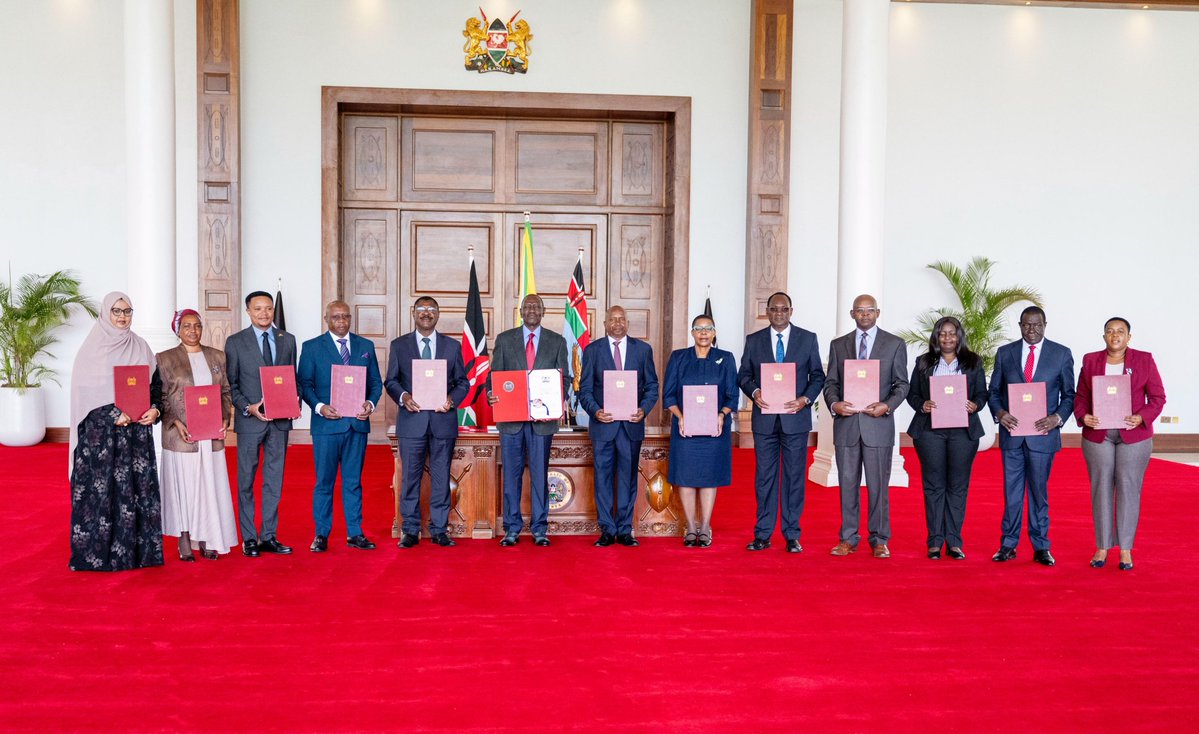
President William Ruto has signed into law the Central Bank of Kenya (Amendment) Bill, 2026 and the Parliamentary Pensions (Amendment) Bill, 2023, introducing reforms aimed at strengthening financial sector oversight while updating the country’s parliamentary pension framework.
The two Bills were assented to during a ceremony at State House, Nairobi, on Monday, marking the final legislative step before the measures take effect.
The Central Bank of Kenya (Amendment) Act, 2026 introduces significant changes to the country’s financial regulatory framework, expanding the Central Bank’s mandate in safeguarding financial stability and enhancing oversight of the banking sector.
In a statement after assenting to the Bill, President Ruto said the legislation is designed to modernise the country’s monetary policy framework and improve the resilience of Kenya’s financial system.
“I have assented to the Central Bank of Kenya (Amendment) Bill, 2026, ushering in sweeping reforms aimed at strengthening the CBK’s capacity to safeguard financial stability, improve banking oversight and modernise the country’s monetary policy framework,” the President said.
He added that the law formally recognises the Central Bank’s responsibility to promote the integrity and resilience of Kenya’s financial system while strengthening its ability to respond to financial risks.
“The Act also formally recognises the Central Bank’s responsibility to promote the integrity, resilience and proper functioning of Kenya’s financial system, enhancing crisis preparedness while protecting taxpayers,” Ruto said.
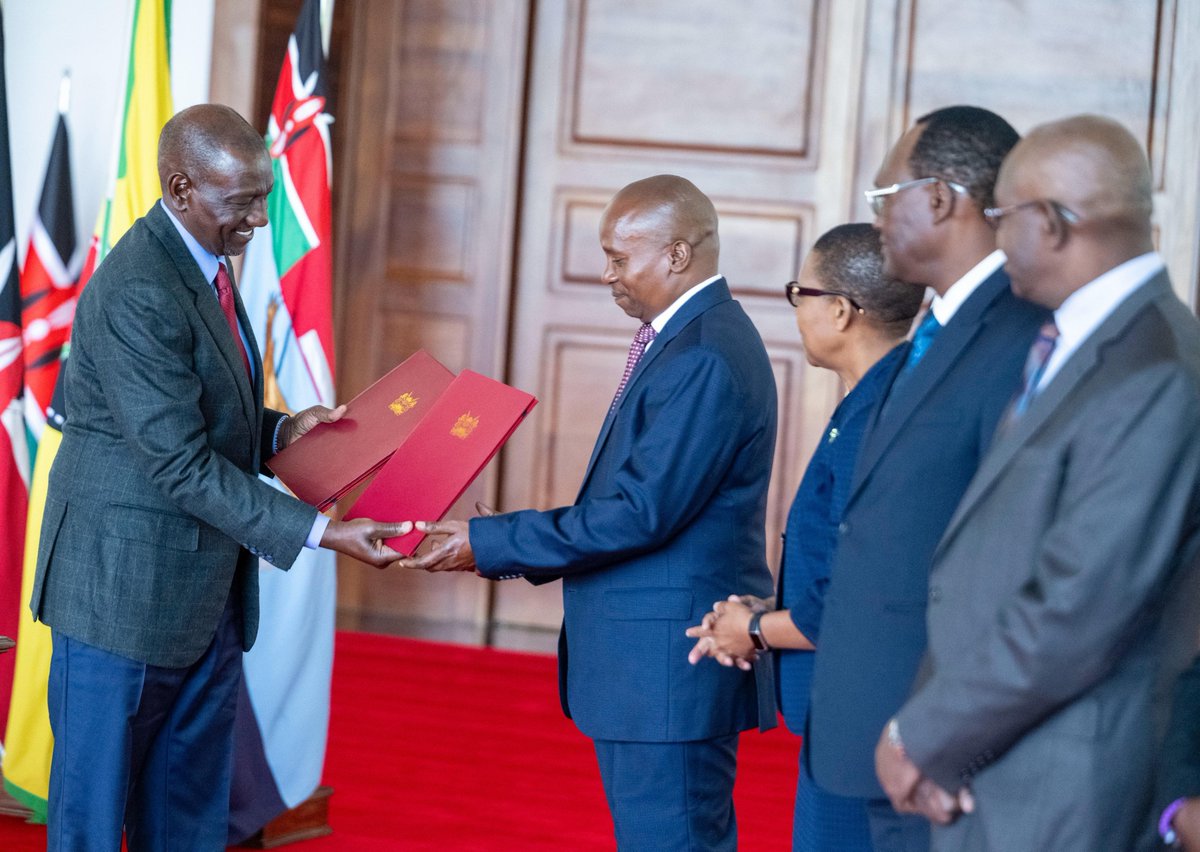
Among the key provisions contained in the new law is a requirement that nominees for the position of Deputy Governor of the Central Bank of Kenya undergo vetting and approval by the National Assembly before assuming office. The amendment is intended to strengthen accountability and parliamentary oversight over senior appointments at the apex bank.
The President also assented to the Parliamentary Pensions (Amendment) Bill, 2023, which updates the Parliamentary Pensions Act of 1983 to reflect Kenya’s constitutional structure under the 2010 Constitution.
One of the most notable changes is the formal inclusion of Senators in the parliamentary pension scheme, placing members of both Houses of Parliament under the same retirement benefits framework. The legislation also updates several provisions within the Act, including revising the legal definition of a child for pension purposes from a person below 16 years to one below 18 years, in line with the Constitution.
Speaking after signing the Bill, President Ruto said the amendments recognise the bicameral nature of Parliament established under the Constitution.
“The legislation updates the Parliamentary Pensions Act of 1983 and formally recognises both the National Assembly and the Senate in the administration of parliamentary pensions, ensuring Senators are entitled to benefits under the same framework as Members of Parliament,” he said.
The two laws address separate areas of governance but collectively seek to modernise Kenya’s legal and institutional framework. While the CBK amendments are expected to enhance banking supervision, financial stability and crisis management, the parliamentary pensions law harmonises retirement benefits with the country’s constitutional order by formally incorporating the Senate into the pension system.
The assent concludes the legislative process for both Bills, paving the way for their implementation by the relevant institutions in accordance with the provisions of the new Acts.