

Nairobi Woman Representative Esther Passaris has welcomed the return of nurses to public hospitals after a 43-day nationwide strike, saying the resumption of services will provide relief to patients and families affected by the disruption. The Kenya National Union of Nurses and Midwives called off the strike on Wednesday, September 9, after signing a return-to-work agreement with the government. Union Secretary-General Seth Panyako said nurses would resume duty within 24 hours. Passaris welcomed the development, saying the return of nurses would help restore healthcare services in public facilities and reduce the pressure that had built up during the prolonged industrial action. The strike had disrupted services in parts of the country, while other healthcare workers were left handling additional workloads. Doctors had also threatened to join the industrial action, citing increased pressure in hospitals caused by the absence of nurses.
The nurses’ strike was largely driven by demands for the implementation of a 2017 collective bargaining agreement (CBA). The agreement was reached following an earlier nurses’ strike but remained substantially unimplemented, with the government citing budgetary constraints. Under the new return-to-work agreement, the parties have been given 45 days to negotiate and finalise the implementation of outstanding issues under the 2017 CBA. This means the end of the strike does not amount to a complete settlement of the issues that triggered the dispute. The next stage will involve negotiations between the union, the government and county authorities on the outstanding commitments.
The nurses’ prolonged absence had also created concerns about the wider functioning of public hospitals. On Tuesday, doctors threatened to issue a strike notice if the nurses’ grievances were not addressed, arguing that they were increasingly being required to cover duties normally performed by nurses. Doctors’ union Secretary-General Davji Bhimji Atellah said hospitals were already facing shortages of doctors and that the additional workload was placing further pressure on the health system. The union gave the government seven days to address the situation. The nurses’ return therefore removes the immediate prospect of a second major healthcare strike while negotiations over their employment terms continue.
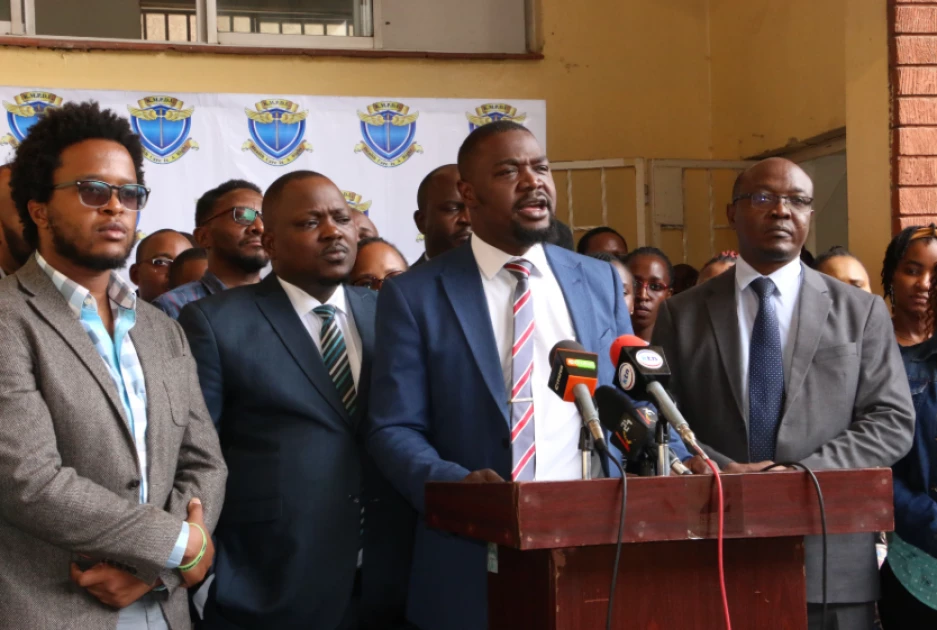
For patients, the immediate priority will be the restoration of normal services as nurses return to their respective facilities. Hospitals may, however, take some time to clear backlogs created during the 43-day disruption, particularly in facilities where services were significantly affected. For the nurses’ union and government, attention now shifts to the 45-day negotiation period provided under the return-to-work agreement. The outcome of those talks will determine whether the outstanding provisions of the 2017 CBA are implemented and whether the dispute is resolved beyond the immediate suspension of the strike. Passaris’ comments come as public hospitals begin the process of restoring normal operations, bringing an end to more than six weeks of disruption in Kenya’s public healthcare system.