

The government says Mpox cases have been reported in 40 of Kenya’s 47 counties, with Mombasa, Nairobi and Busia recording the highest numbers as health authorities intensify surveillance and response measures. The Ministry of Interior and National Administration said on Monday, September 14, that the Ministry of Health continues to conduct confirmatory laboratory testing of suspected cases and has integrated Mpox case management into routine healthcare services. The government said it has strengthened coordination between national and county health authorities, alongside laboratory testing, infection prevention and control and community engagement on disease transmission and prevention.
The latest government statement did not provide county-by-county figures but identified Mombasa, Nairobi and Busia as the counties with the highest reported numbers. The three counties include major population and transport centres, with Busia also serving as a key border point with Uganda. Authorities have consequently maintained surveillance at points of entry and other high-movement areas. Recent reporting citing government health data put Kenya’s cumulative confirmed Mpox cases at 1,298, with 19 deaths, although the September 14 government statement did not repeat those national totals.
The government is also responding to Dengue fever, with cases mainly reported in Garissa and Wajir counties. The Ministry of Interior said suspected deaths linked to Dengue are under investigation. Authorities have strengthened laboratory testing, case management and infection prevention and control measures while coordinating the response at county and sub-county levels. Community engagement is also being used to raise awareness about Dengue transmission, prevention and control. Kenya is simultaneously monitoring measles cases reported in several counties, including Baringo, Marsabit, Wajir, Mandera and Garissa. The government said no deaths from measles had been reported in its latest update and that active case searches, surveillance, case management and infection prevention measures had been intensified.
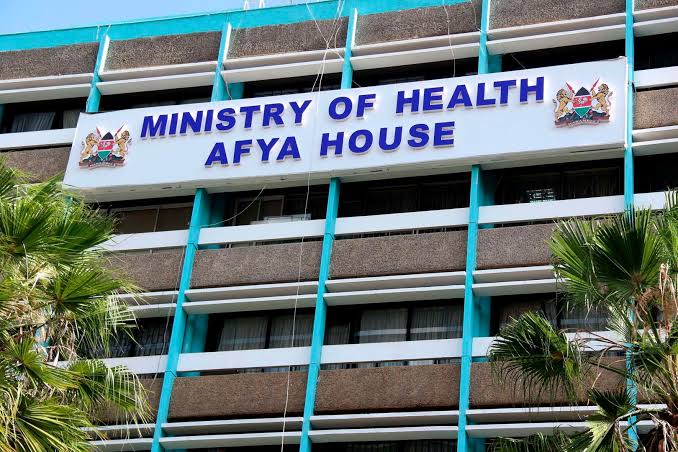
The measures come as Kenya also strengthens preparedness for other infectious disease threats, including Ebola. The government has designated four laboratories for Ebola testing: the National Public Health Laboratory, KEMRI Nairobi, KEMRI Kisumu and a mobile laboratory covering Busia and Bungoma. No Ebola case has been confirmed in Kenya, with the government saying all suspected cases tested so far have returned negative results. It has nevertheless increased surveillance at formal and informal border crossings, trained multi-agency teams and continued preparing isolation facilities and response supplies. Authorities have urged the public to remain vigilant, rely on verified health information and seek medical attention when experiencing symptoms of concern.
For now, the government’s response is focused on early detection, laboratory confirmation, treatment and limiting transmission as several infectious diseases remain under surveillance across the country.