

Residents evicted from the Maasai Mau Forest in Narok County are demanding an investigation into the government’s Ksh2.6 billion compensation plan as some families are claiming that they were overlooked.
President William Ruto announced on August 26, 2026 that 13,000 families would receive Ksh200,000 to assist them in resettling outside the protected area. However, over 300 families complained to the Kenya News Agency in September. In some cases, families marched back into the forest.
The families are demanding that the list of beneficiaries be scrutinised and claims made by the displaced families be investigated to see if the compensation was actually paid. There are allegations that some families were paid compensation despite not being eligible.
The families want the government to investigate further to ensure that the families who were evicted are actually being paid compensation for their losses. Over 2000 families claimed that they were evicted from the Maasai Mau Forest in September due to not receiving compensation. They said that families have been waiting for years to get back on their feet.
The families are complaining that some families who should have received compensation were overlooked. However, confirming whether any families were paid compensation when they were not eligible would require a full independent investigation.
Ruto announced during a visit to Sogoo in Narok South Constituency on August 26 that 13,000 families would receive Ksh2.6 billion in compensation. He said that the families would be paid Ksh200,000 via M-Pesa to assist them in resettling and rebuilding their lives.
“We have decided to compensate them,” Ruto said.
The government said that this was a huge step in helping to resolve a long-standing issue for the families who were displaced during the protection of the Mau Forest ecosystem. Ruto said that this would help to put an end to the issue after years of uncertainty for the families.
While the government has said that 13,000 families will receive compensation, it is not clear if all families that claim to have been evicted were actually eligible due to the criteria used. The government has admitted that some families were overlooked.
“Internal Security and National Administration Principal Secretary Raymond Omollo said the government is trying to resolve outstanding complaints,” the Kenya News Agency reported on September 21.
Over 300 families were not included in the Ksh2.6 billion compensation scheme. The report said that authorities are working with the affected communities. Narok Governor Patrick Ole Ntutu has also asked the families to be patient whilst the national government investigates their complaints.
“I want to ask our people from Melelo Ward to be patient as their compensation issue is being handled by the National government,” Ntutu said.
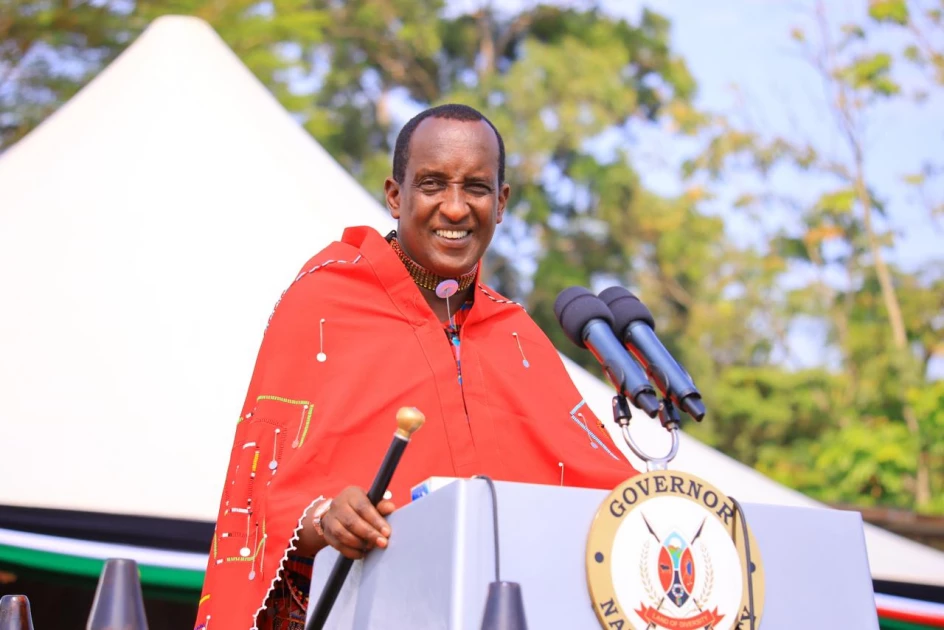
He called for authorities to investigate why some families from Melelo Ward were not included while others were. He also said that there may have been mistakes made during the creation and investigation of the list.
Narok County Commissioner Kipkech Lotiatia has asked families to make their complaints formally. He has also asked residents not to move back into protected areas of the forest.
The issue with the compensation comes from a larger issue of the government removing settlements from the Mau Forest complex. This is an important water catchment for rivers, agriculture and water in parts of Kenya.
Various governments have carried out evictions to help protect the forest from encroachment and help to restore damaged areas. However, this has left families in uncertainty about where they will live, what land they will have and how they will earn a living.
Human rights groups have raised concerns in the past about some of the evictions. However, the government has said that protecting the Mau ecosystem is a national priority. The compensation was to help families to get back on their feet. However, some families are concerned about whether the government has accurate records of those who were displaced.
The recent complaints have led to calls for the government to explain how the compensation list was created. They also want to know which agencies investigated the families and what processes are in place for families who feel they were unfairly excluded.
A transparent investigation would need to look at the initial eviction and registration records and compare them to the final list of families and compensation paid. This would also need to have a clear process for families to provide evidence.
If there are allegations of irregular payments then an investigation would need to be carried out to see if any families were not eligible. There would also need to be an investigation into whether there were any mistakes made. No accusations should be made without evidence.
For now, the government has admitted that some families have outstanding complaints. The main issue will be whether the compensation can be reconciled with the claims made by families that they lost their homes and land but did not receive any compensation.
Until the investigation is completed and results published, the Ksh2.6 billion compensation will likely cause uncertainty for families and authorities.