

President William Ruto has highlighted the Russian model of smart cities as a way for Kenya to learn. During his visit to Moscow for the Russia-Africa Economic and Humanitarian Forum, Kenya is looking to attract investment from Russia. Smart cities use digital systems to help cities run efficiently. Russia, and specifically Moscow, have invested in digital government systems.
However, Kenya has not announced any specific deals, costs or timelines for the use of Russian smart city technology. Speaking at a business roundtable between Kenya and Russia in Moscow on October 28, Ruto encouraged Russian investors to bring their capital, technology and industrial knowledge to Kenya’s resource.
“We want a partnership between Russia and Kenya where you bring your capital, your technology and your industrial knowledge and we bring our resources, our talent and our access to the African market,” Ruto said.
This ties into attracting foreign investment to Kenya.
There are opportunities to work together on smart city development by using digital planning systems, smart traffic systems and digital monitoring systems for public utilities. This would tie in with the government’s affordable housing initiative and developing urban centres.
In August Ruto announced plans to develop a KSh4 billion smart city in Malaba, Busia County. The development is reported to include 2,000 affordable housing units and facilities to attract investment.
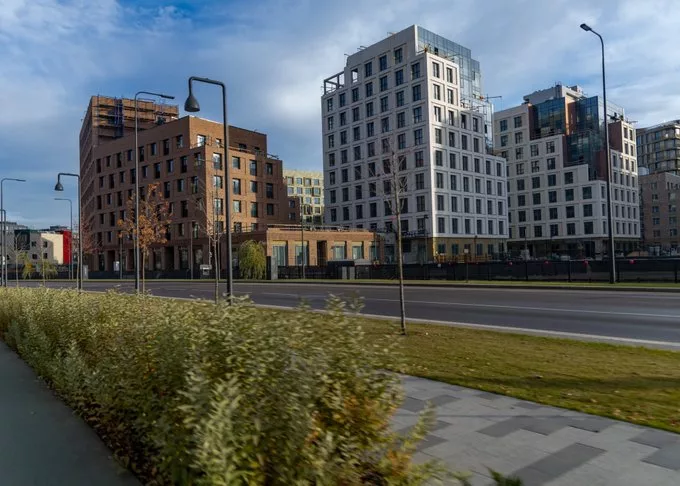
While this demonstrates a housing and urban development approach, there has been no confirmation from the government on whether Russian technology will be used in Malaba or other developments.
For urban planning to be done properly there needs to be infrastructure in place to support the population growth. This includes roads, water, sanitation, electricity, public transport and social facilities. Digital systems can help authorities manage these however there needs to be reliable infrastructure in place, skilled workers and money to maintain.
The government would need to consider the costs of installing smart city technology, ongoing maintenance costs, data security and cyber security. Authorities would need to consider how the systems will improve services and if county governments will be able to run the systems sustainably.
While Ruto has encouraged more Russian investment in Kenya’s infrastructure and industry, there has been no confirmation of any specific smart city deals, budget or timeline. This would then need to be turned into specific projects with clear funding, responsibilities and benefits to the public.
Ultimately the Russian model of smart cities could be used as a benchmark for Kenya however this would depend on what deals are made and how the technology would be tailored to fit the local needs.