

Burundian musician Jean-Pierre Nimbona, popularly known as Kidum, has offered to provide transport for Burundian nationals in Kenya who may wish to return home amid growing uncertainty surrounding the government’s crackdown on foreign-operated small businesses. Kidum, who is currently on tour in Canada, said he was concerned by reports and images emerging from Nairobi over the treatment of Burundian and Rwandan nationals engaged in small-scale businesses. In a statement on Monday, September 7, the musician said Kenya had been his home since 1995 and that he had developed a deep personal connection to the country.
“I am Burundian! I am currently on tour in Canada. Kenya has been my home since 1995, and I chose to be Kenyan with all my heart,” he said.
Kidum said his wife is Kenyan and that their children are currently attending school in Kenya, underscoring his longstanding ties to the country. He questioned the treatment of foreign nationals involved in small-scale trade, particularly those selling basic food and beverages.
“The pictures I am receiving from Nairobi are not good at all. What have Burundians and Rwandans done to be treated this way? Is selling mandazi and tea or coffee a crime?” he asked.
The musician appealed to the Burundian Embassy in Nairobi to assist citizens who want to return home and ensure that any departures take place peacefully. He offered his 11-seater van to help transport Burundians who may need assistance travelling back to Burundi.
“I have an 11-seater van, and I am ready to make it available to anyone who needs it to take people home,” Kidum said.
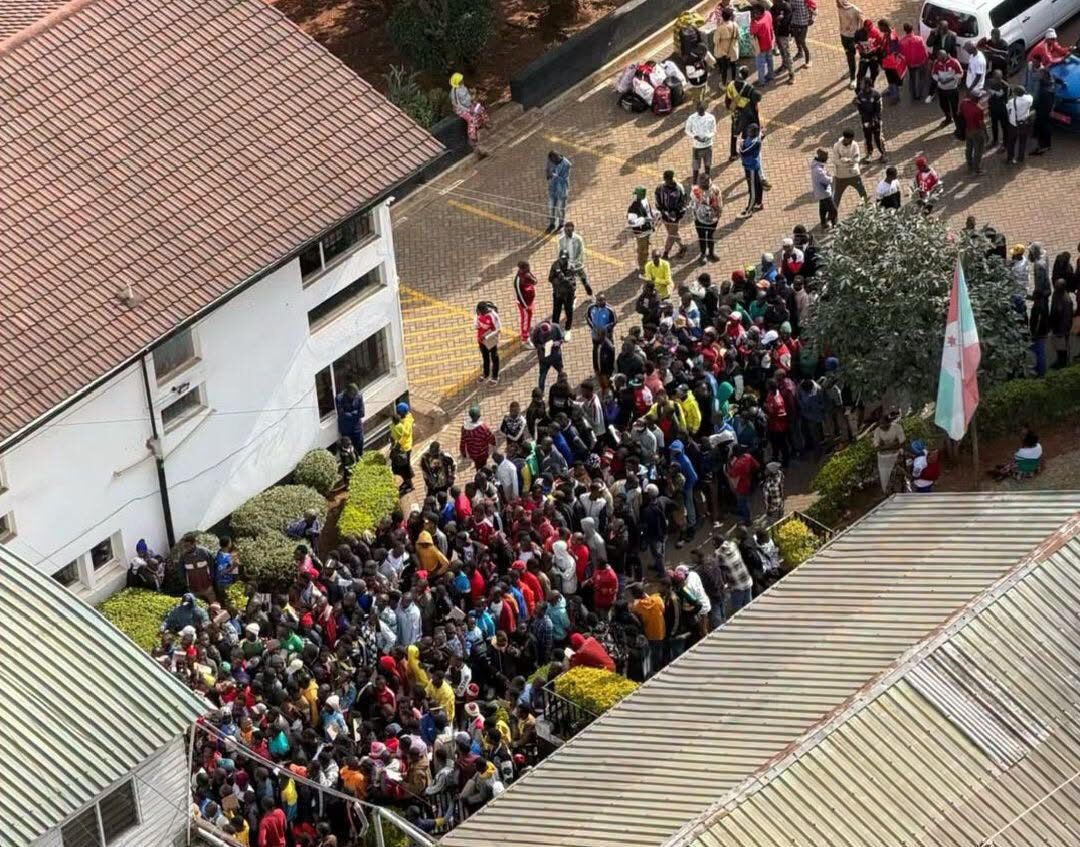
His comments came as hundreds of Burundian nationals gathered at their embassy in Nairobi on Monday seeking travel documents amid uncertainty over their status in Kenya. Reuters reported that some Burundians were seeking documents to return home, while others were looking to regularise their status following the government’s directive targeting foreign small-scale traders. The developments followed President William Ruto’s September 2 directive calling for action against foreign nationals operating small-scale businesses in Kenya. The directive has triggered concern among some foreign traders, particularly Burundians, with large numbers seeking assistance from their embassy. However, the government has since clarified that the measures are focused on compliance with immigration and business regulations rather than nationality.
Kenya has also announced a temporary window for undocumented East African nationals to register and regularise their status. The government said it would not tolerate harassment, intimidation or xenophobia against foreign nationals. The clarification is significant because the government has not ordered all Burundians or other foreign nationals to leave Kenya. Those with valid work permits and business licences remain protected under Kenyan law. The government’s position is that foreign nationals should comply with Kenya’s immigration and business laws, while Kenyan traders have raised concerns over competition from foreigners operating small-scale businesses.
The issue has since attracted wider public attention, particularly after scenes of Burundian nationals queuing outside their embassy in Nairobi seeking travel documents. Kidum urged authorities and the Burundian diplomatic mission to ensure that nationals who choose to leave Kenya can do so safely and with dignity. His intervention comes as Kenya and Burundi face the challenge of managing the dispute without disrupting relations between the two East African Community member states. For now, the government maintains that undocumented foreign nationals have an opportunity to regularise their status, while those who voluntarily choose to return home can do so through the appropriate immigration procedures.