

Agriculture and Livestock Development Cabinet Secretary Mutahi Kagwe has warned that the misuse of veterinary medicines in livestock could undermine Kenya’s access to international meat markets, urging stakeholders across the livestock value chain to strengthen compliance with food safety standards and responsible animal health practices.
Speaking on Wednesday during the Kenya Meat Conference 2026 at Chaka Ranch in Nyeri County, Kagwe said growing global concerns over antimicrobial resistance (AMR) and veterinary drug residues are reshaping international trade requirements, making compliance with food safety standards increasingly important for meat-exporting countries.
“Responsible use of veterinary medicines is becoming a passport to international markets,” Kagwe said, noting that countries importing meat products are placing greater emphasis on food safety, traceability and regulatory compliance.
The Cabinet Secretary said Kenya’s livestock sector has significant potential to expand its presence in regional and international markets, but warned that failure to address the misuse of antibiotics and other veterinary medicines could jeopardise export opportunities and reduce the competitiveness of locally produced meat.
Antimicrobial resistance occurs when bacteria, viruses, fungi and parasites become resistant to medicines designed to treat them, making infections more difficult to control. Health experts have identified the inappropriate use of antibiotics in both humans and animals as one of the leading contributors to the problem.
Kagwe said addressing the challenge will require greater collaboration between livestock farmers, veterinarians, regulators, processors and exporters to ensure medicines are used responsibly throughout the production chain.
The conference, held under the theme “Driving Sustainable Growth Across the Meat Value Chain,” brought together government officials, livestock farmers, meat processors, exporters, researchers, veterinary professionals and development partners to discuss strategies for strengthening Kenya’s livestock industry.
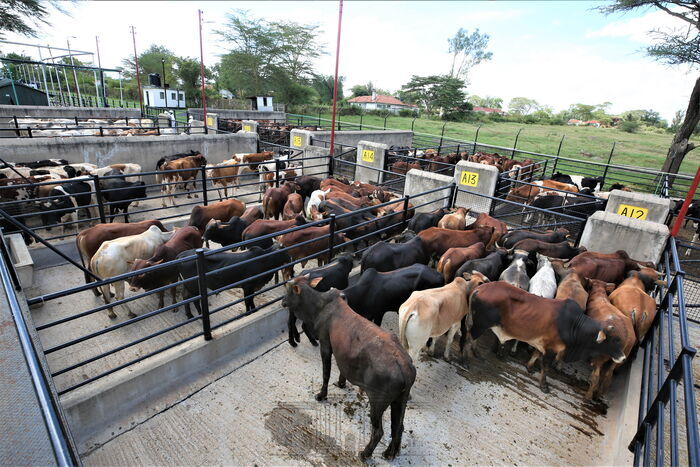
Among the issues highlighted during the forum were food safety, disease control, livestock traceability, value addition, processing capacity and expanding market access for Kenyan meat products.
The Cabinet Secretary also reiterated the government’s commitment to strengthening livestock traceability systems, saying improved monitoring of animals from farm to market will help enhance consumer confidence and support Kenya’s compliance with international export requirements.
Industry stakeholders attending the conference said stronger quality assurance systems and investment in modern meat processing infrastructure will be essential if Kenya is to increase exports and compete effectively in premium international markets.
According to the Ministry of Agriculture and Livestock Development, the livestock sector remains one of the country’s key economic pillars, supporting millions of pastoralists and farmers while contributing significantly to food security, employment and household incomes.
As global markets continue to tighten food safety requirements, experts say countries seeking to expand meat exports will increasingly be expected to demonstrate effective disease surveillance, responsible veterinary medicine use and robust traceability systems.
The Kenya Meat Conference concluded with renewed calls for closer collaboration between government, the private sector and livestock producers to improve standards across the meat value chain and position Kenya as a reliable supplier of safe, high-quality meat products in regional and international markets.