

The government has reaffirmed its decision to halt sugar imports, with Agriculture and Livestock Development Cabinet Secretary Mutahi Kagwe saying the country currently has adequate local production to meet domestic demand and should prioritize protecting Kenyan farmers over bringing in imported sugar.
Speaking during a consultative meeting with sugar farmers, industry stakeholders and officials from the Kenya Sugar Board (KSB) at Kilimo House, Kagwe said the government would maintain the import ban introduced in July and would not issue fresh import licences, arguing that unrestricted imports would undermine gains made by the local sugar industry.
“I have asked the Kenya Sugar Board to stop sugar imports. Henceforth, I do not want any licence issued for sugar imports. As at now, what we have produced is sufficient for the first time. We are going to ensure we do not mess up the internal market because of imports. We are not going to import sugar at the risk of the local industry,” Kagwe said.
The Cabinet Secretary said the government’s objective is to strengthen domestic production while positioning Kenya to become a net sugar exporter in the future.
According to Kagwe, sugar imports have dropped sharply over the past year, declining from approximately 210,000 metric tonnes to about 60,000 metric tonnes. He attributed part of the reduction to the KSh40 per kilogram excise duty introduced under the Finance Act, 2026, which has made imported sugar less attractive to millers.
The remarks reinforce an earlier directive issued on July 29, 2026, by Agriculture Principal Secretary Kiprono Rono, who announced the suspension of sugar imports as part of measures aimed at protecting local sugarcane farmers and reducing Kenya’s reliance on imported sugar.
Beyond import controls, Kagwe announced new conditions for investors seeking licences to establish sugar factories, saying the government intends to curb cane poaching, which has long disrupted the sector.
Under the proposed framework, prospective millers will be required to demonstrate ownership of adequate nucleus estates and provide evidence of contracted outgrowers before receiving approval to operate.
“Before we license a factory, we must know where the nucleus farm is and where the outgrowers are,” Kagwe said.
The Cabinet Secretary noted that the new licensing requirements are intended to promote sustainable sugar production while reducing competition for sugarcane among millers. Kagwe also assured farmers that the government is working to settle the remaining historical debts owed to sugarcane growers.
He disclosed that approximately KSh265 million remains outstanding and said discussions are underway with National Treasury Cabinet Secretary John Mbadi to facilitate payment.
“My happiest day will be when government owes sugar farmers absolutely nothing,” Kagwe told stakeholders.
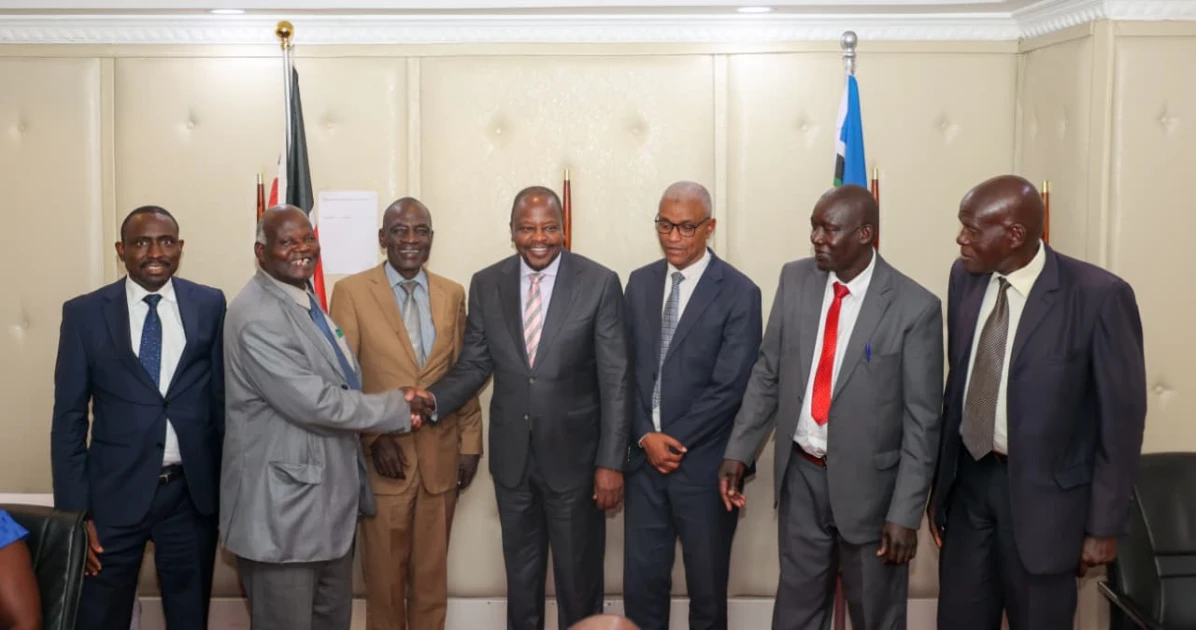
The Cabinet Secretary noted that the new licensing requirements are intended to promote sustainable sugar production while reducing competition for sugarcane among millers. Kagwe also assured farmers that the government is working to settle the remaining historical debts owed to sugarcane growers.
He disclosed that approximately KSh265 million remains outstanding and said discussions are underway with National Treasury Cabinet Secretary John Mbadi to facilitate payment.
“My happiest day will be when government owes sugar farmers absolutely nothing,” Kagwe told stakeholders.
The assurance comes amid persistent complaints from farmers over delayed payments, particularly in Busia and Nzoia, where growers say prolonged settlement periods have strained household incomes and disrupted farming activities.
The consultative meeting also focused on preparations for the Kenya Sugar Board elections scheduled for September 5, 2026, a key step in fully operationalizing the Board under the Sugar Act, 2024.
KSB Chief Executive Officer Jude Chesire said the election of five grower representatives is necessary to complete the Board’s composition and enable it to discharge its statutory functions.
According to Chesire, several policy decisions—including matters relating to the Sugar Development Levy—will require approval by the fully constituted Board before implementation. The elections have received backing from farmer organizations, which say they are critical to implementing reforms envisioned under the Sugar Act.
Kenya National Federation of Sugarcane Farmers Secretary General Kilion Osur welcomed the electoral process, arguing that elected representatives would provide stronger accountability than appointed directors.
“We appreciate the committee appointed to oversee the elections. We want the Sugar Act implemented in totality. We do not want nominated directors; we want elections. If nomination is the best option, then Members of Parliament should also be nominated instead of being elected,” Osur said.
Osur further alleged that some court cases challenging reforms in the sugar sector were being sponsored by individuals whose interests do not align with those of farmers.
During the meeting, farmers urged the government to expedite the release of the infrastructure component of the Sugar Development Levy, saying improved road networks are essential for transporting harvested cane to factories.
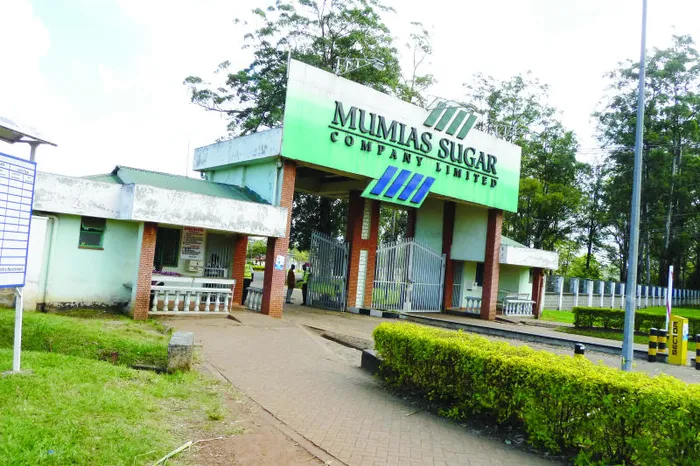
Speaking on behalf of farmers, Atyang Atyang also called for increased funding for cane development programmes and the operationalization of allocations intended for farmer advocacy organizations.
The discussions highlighted ongoing efforts by the government to revive Kenya’s sugar industry through tighter regulation, improved governance, increased local production and enhanced support for farmers.
Officials maintain that limiting imports, strengthening oversight of new factories and fully implementing the Sugar Act, 2024 are expected to improve the competitiveness of the sector while ensuring local growers benefit from a stable domestic market.