

A proposed 700,000-barrel-per-day oil refinery in Lamu could significantly change how Kenya and the wider East African region source and distribute petroleum products if the project is completed as planned.
Nigeria’s Dangote Group plans to build the refinery on Lamu Island, with the facility expected to supply Kenya and neighbouring markets. The project would be one of the largest industrial investments in East Africa and a major expansion of Dangote’s refining business beyond Nigeria.
Edwin Devakumar, Dangote Industries’ vice president for oil and gas, told Reuters that early work on the project had begun.
“The site has been selected, soil tests are under way, and design and engineering work has commenced. Kenya was the choice from the beginning,” Devakumar said.
According to Reuters, the refinery is expected to take up to three years to build. Dangote Group plans to finance the project through a combination of internal cash, bonds and proceeds from a planned initial public offering. The company has not announced a final cost, but Devakumar said the investment could be comparable to Dangote’s refinery in Lagos, Nigeria, which cost more than $20 billion by the time it began operations.
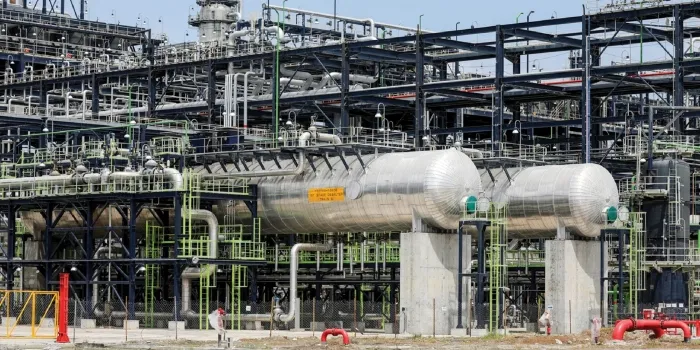
The proposed refinery could reduce East Africa’s dependence on imported finished petroleum products such as petrol, diesel and jet fuel.
Kenya and several neighbouring countries currently rely heavily on overseas refineries. A large facility in Lamu could instead process crude oil closer to regional markets and distribute refined products across East and Central Africa.
However, a local refinery would not automatically guarantee lower pump prices. Fuel costs would still be affected by global crude prices, taxes, exchange rates, transport expenses and government policies. With a proposed capacity of 700,000 barrels per day, the refinery would produce more fuel than Kenya alone is likely to consume, making regional and export markets important to its commercial viability.
The project could also strengthen Lamu’s position as an energy and logistics hub. Lamu Port is a central part of the Lamu Port-South Sudan-Ethiopia Transport Corridor, known as LAPSSET, which was designed to connect Kenya’s coast with neighbouring countries through transport and energy infrastructure.
A refinery of this scale could increase demand for storage facilities, roads, pipelines and other supporting infrastructure. Dangote Group had previously considered Tanzania’s port city of Tanga for its East African refinery before choosing Kenya, according to Reuters.
If completed, the Lamu facility could potentially serve markets including Uganda, Rwanda, Burundi, South Sudan and the Democratic Republic of Congo, depending on commercial agreements and transport links.
President William Ruto has said the refinery could create about 60,000 jobs during its development.
“We are building an East Africa refinery in Lamu which will require 60,000 youth for doing the work,” Ruto said while speaking during the rollout of the second phase of the National Youth Opportunities Towards Advancement programme.

The figure remains a government projection, with the eventual number of jobs depending on the final design, construction schedule and operating requirements. The project could also create opportunities in construction, engineering, transport, maintenance and other supporting sectors.
Despite its potential, the refinery remains a proposed development rather than an operating facility. Its success will depend on financing, regulatory and environmental approvals, crude supply arrangements, supporting infrastructure and the ability to complete construction within the planned timeframe.
Dangote’s Lagos refinery demonstrates the complexity of projects of this scale. The Nigerian facility ultimately cost more than $20 billion after facing delays and other challenges.
If completed as proposed, the Lamu refinery could give East Africa a major refining centre capable of serving multiple national markets while strengthening Kenya’s position in regional energy and logistics.
For now, the project remains at an early stage. Its long-term impact will depend on whether Dangote Group can turn the ambitious proposal into a fully operational refinery.