

Brazil came from behind to defeat Japan 2-1 in a dramatic FIFA World Cup Round of 32 encounter on Monday, with substitute Gabriel Martinelli scoring a stoppage-time winner to send the five-time champions into the Round of 16.
The victory, secured at Houston Stadium, preserved Brazil’s hopes of a record-extending sixth World Cup title after a disciplined Japanese side threatened to produce one of the tournament’s biggest upsets. Japan led for much of the match before Brazil responded with second-half goals from Casemiro and Martinelli to complete a late turnaround.
Japan made the brighter start and capitalised on a defensive lapse in the 29th minute when midfielder Kaishu Sano intercepted a misplaced pass before advancing into space and firing a low shot beyond goalkeeper Alisson Becker. The goal gave the Asian side a deserved lead after a composed opening half in which they effectively neutralised Brazil’s attacking threats.
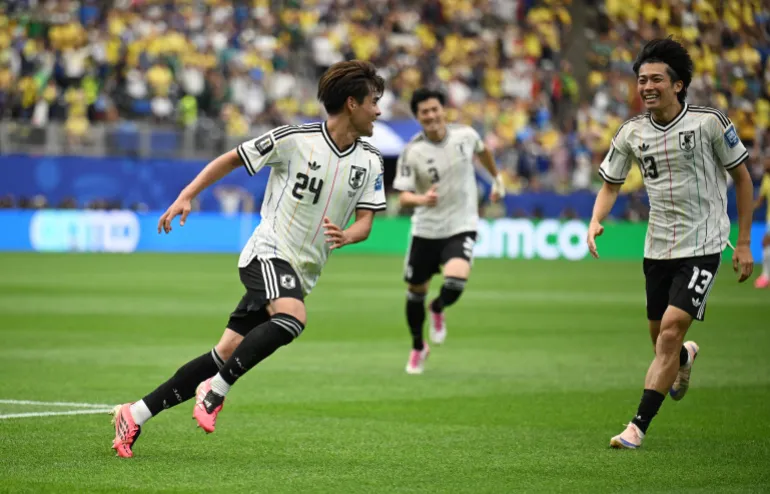
Needing a response, Brazil increased the tempo after halftime and found an equaliser in the 56th minute. Casemiro rose highest to meet a delivery from Gabriel Magalhães, directing a powerful header into the net to restore parity and shift momentum firmly in Brazil’s favour.
The equalising goal transformed the contest, with Brazil committing more players forward in search of a winner while Japan continued to defend resolutely and threaten on the counterattack. Goalkeeper Zion Suzuki produced several important saves to keep his side level as the South Americans intensified their pressure.
Brazil coach Carlo Ancelotti also strengthened his attack with second-half substitutions, including the introduction of Endrick, whose pace and movement added urgency to Brazil’s forward play during the closing stages.
The decisive moment arrived deep into stoppage time. Bruno Guimarães threaded a pass into the path of Gabriel Martinelli, who controlled the ball before driving a low effort past Suzuki despite the goalkeeper getting a hand to the shot. The goal sparked celebrations among Brazilian players and supporters as it secured progression to the next round.
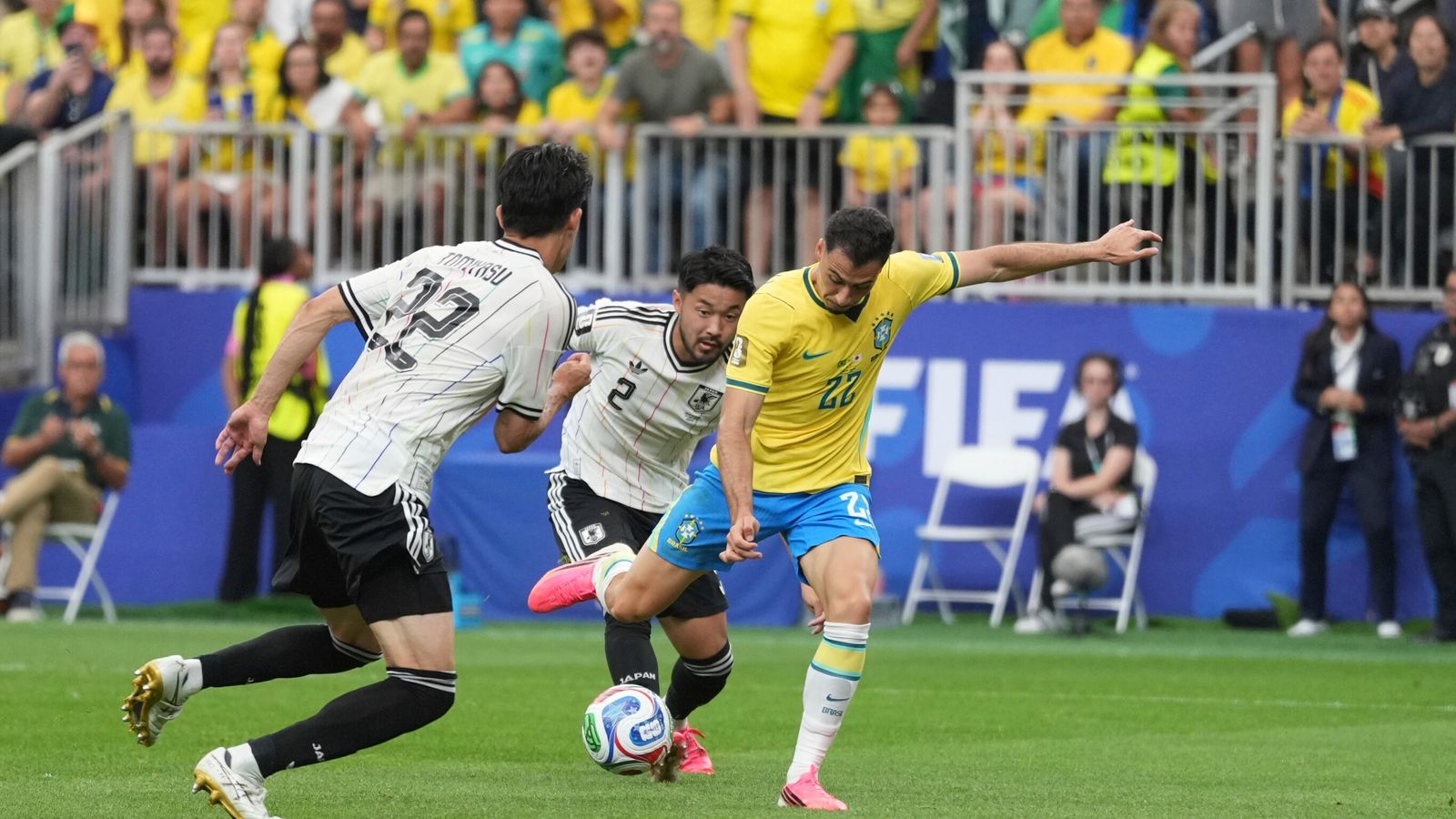
For Brazil, the result represented another demonstration of the team’s resilience under pressure. Although the performance exposed vulnerabilities against a well-organised opponent, the comeback ensured the Seleção maintained their record of advancing from the knockout rounds and kept alive their pursuit of a sixth World Cup crown.
Martinelli’s impact from the bench proved decisive, while Casemiro’s experience in midfield helped Brazil regain control after a difficult first half. Vinícius Júnior remained a constant attacking outlet throughout the match, repeatedly stretching Japan’s defensive line even though he did not add his name to the scoresheet.
Japan exited the tournament with considerable credit after producing one of its strongest performances of the competition. Kaishu Sano’s opening goal rewarded an energetic display, while the defensive unit frustrated Brazil for long periods through disciplined organisation and effective pressing. Goalkeeper Zion Suzuki was among Japan’s standout performers, making several crucial interventions that nearly forced the match into extra time.
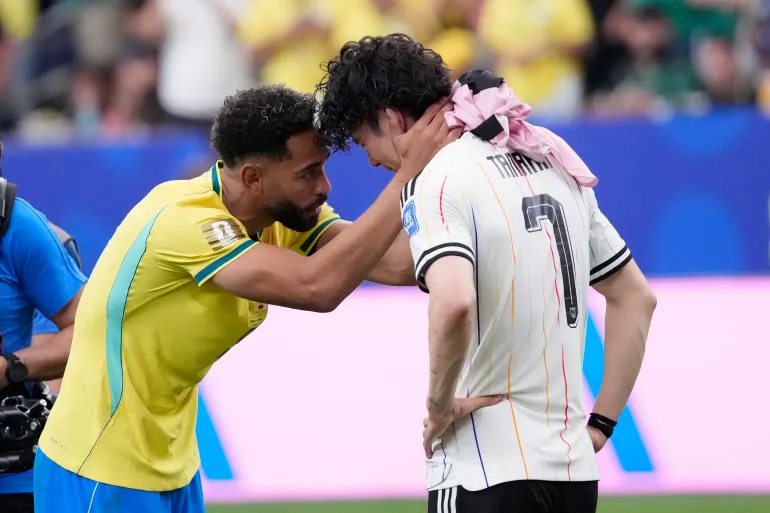
For Brazil, the victory extends the country’s remarkable consistency at the FIFA World Cup and sends Carlo Ancelotti’s side into the Round of 16 with renewed confidence. While the performance highlighted areas requiring improvement, particularly against organised defensive opponents, the ability to recover from a goal down demonstrated the experience and quality that continue to make Brazil one of the tournament’s leading contenders.
Brazil will now face the winner of the Round of 32 fixture between Ivory Coast and Norway for a place in the quarter-finals, while Japan departs the tournament after pushing one of international football’s most successful nations to the brink of elimination.
