

State House spending has come under renewed public and parliamentary scrutiny after recent budget estimates and oversight reports revealed a sharp increase in expenditure under President William Ruto’s administration, raising fresh questions about fiscal discipline and the use of supplementary funding.
The debate has intensified following the publication of the 2026/27 budget estimates and the latest budget implementation reports by the Office of the Controller of Budget, which show that State House significantly exceeded its original allocation during the current financial year before receiving additional funding through constitutional provisions for unforeseen expenditure.
Budget documents indicate that the original State House allocation for the 2025/26 financial year stood at about Ksh 8.6 billion. However, supplementary allocations approved under Article 223 of the Constitution increased available funding substantially, pushing the revised budget to nearly Ksh 17.5 billion. Treasury has since proposed reducing the allocation to approximately Ksh 13.6 billion for the 2026/27 financial year.
The increase has fuelled comparisons with previous administrations, with analysts and sections of the media noting that State House spending has risen markedly since President Ruto took office. However, experts caution that percentage comparisons vary depending on whether they are based on the original approved budget, revised allocations after supplementary funding, or actual expenditure, making it important to distinguish between the different measures when assessing changes over time.
The Office of the Controller of Budget reported that by the end of March 2026, State House had spent more than its initial parliamentary allocation after accessing an additional Ksh 4.45 billion through Article 223 of the Constitution. The supplementary funding was largely classified under “other operating expenses” and contributed to expenditure reaching about 140 per cent of the original allocation for key recurrent programmes.
Article 223 allows the national government to withdraw funds for urgent or unforeseen expenditure before parliamentary approval, subject to authorisation by the Controller of Budget and subsequent approval by Parliament. The provision is intended to provide flexibility during emergencies but has attracted increased scrutiny because of the scale of supplementary withdrawals recorded during the current financial year.
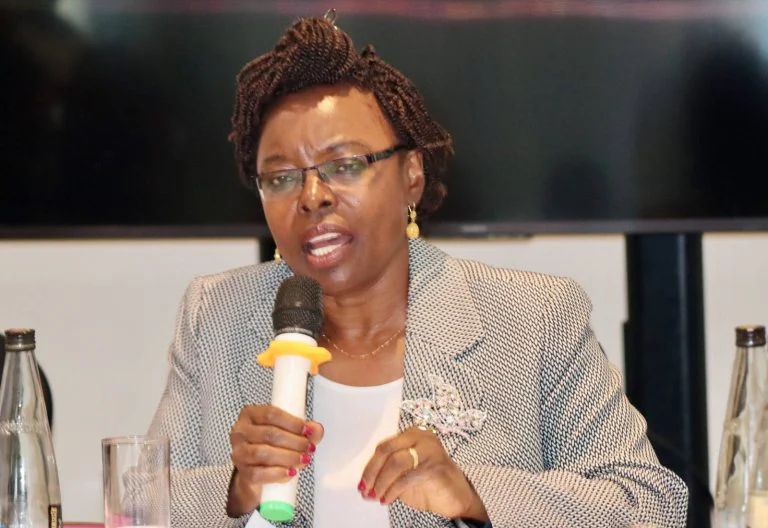
Controller of Budget Margaret Nyakang’o has warned that repeated reliance on supplementary expenditure presents risks to budget credibility and has called for stronger adherence to approved spending plans. Her office noted that excessive use of Article 223 can weaken budget predictability and reduce Parliament’s oversight role over public expenditure.
Despite the increase recorded during the current financial year, the National Treasury has proposed a lower State House allocation in the 2026/27 budget. According to the budget estimates, total spending is projected to decline from the revised Ksh 17.5 billion allocation to approximately Ksh 13.6 billion. The proposed reduction reflects lower allocations for domestic travel, transport, vehicle purchases and several operational expenditure items that had expanded significantly during the current fiscal year.
The Treasury has maintained that the revised estimates are part of broader efforts to align expenditure with available resources while supporting the government’s fiscal consolidation agenda. The move comes as the administration seeks to contain the budget deficit and improve public financial management amid continued pressure on government finances.
State House expenditure has remained a subject of public interest because it finances the operations of the Presidency, including official travel, hospitality, administration, security support, maintenance of official residences and statutory benefits for eligible former leaders.
The increase in expenditure during the current financial year has generated debate among lawmakers, economists and governance experts over the balance between operational requirements and prudent management of public resources.
As Parliament continues to scrutinise government spending and the implementation of the 2026/27 budget, State House expenditure is expected to remain under close public and institutional oversight, particularly regarding the use of supplementary funding and compliance with approved budget ceilings.
