

The Democratic Republic of the Congo (DRC) has recorded more than 1,000 confirmed Ebola cases, prompting the World Health Organization (WHO) to call for an urgent expansion of response efforts as health authorities work to contain one of the country’s largest outbreaks in recent years.
The Democratic Republic of Congo’s Ministry of Health said late on Monday that confirmed Ebola cases in the country had reached 1,048, including 267 deaths. On Sunday, the number of confirmed cases surpassed 1,000 for the first time since the outbreak began.
The WHO has warned that the current response remains insufficient to interrupt transmission, citing persistent insecurity, population displacement, and logistical challenges that continue to hamper disease control efforts in the affected regions.
The outbreak is being driven by the Bundibugyo strain of the Ebola virus, a relatively uncommon variant for which there is currently no licensed vaccine. Unlike previous Ebola outbreaks in the DRC that involved the Zaire strain—where approved vaccines were available—the absence of a licensed vaccine has complicated efforts to rapidly contain transmission.
Health officials say most infections remain concentrated in the eastern provinces of Ituri, North Kivu, and South Kivu, areas that have experienced years of armed conflict, humanitarian crises, and large-scale population movement. These conditions have made contact tracing, case investigation, and access to affected communities considerably more difficult.
In its latest assessment, the WHO said insecurity has repeatedly disrupted surveillance activities and delayed the deployment of healthcare workers and medical supplies. Community mistrust in some areas has also affected efforts to identify suspected cases, monitor contacts and encourage early treatment.
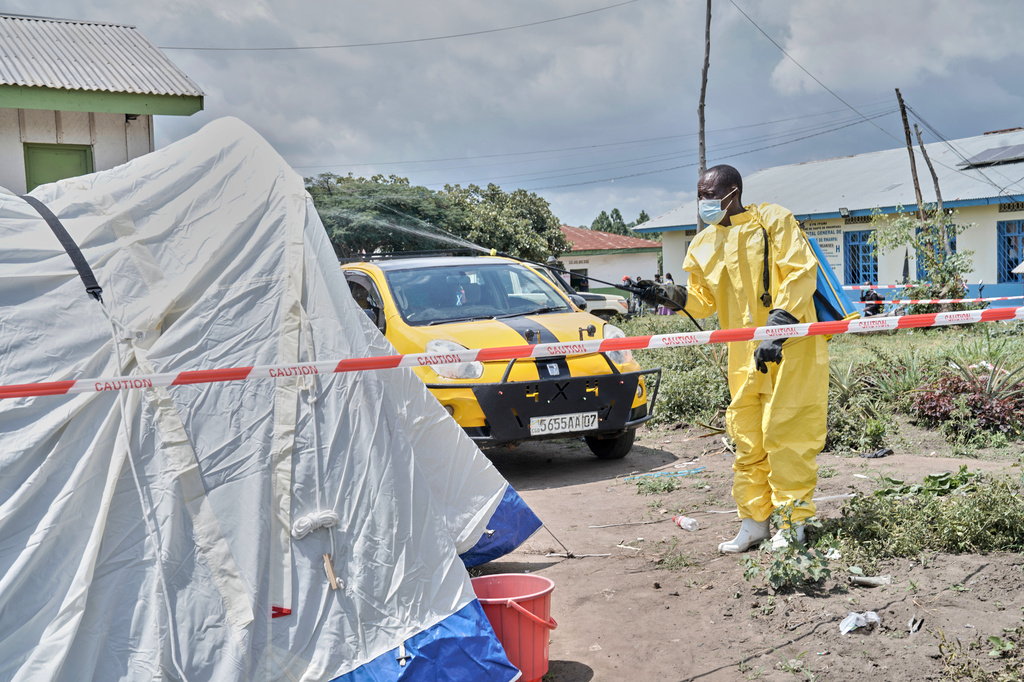
Among the priorities identified by the WHO are improved surveillance systems, enhanced laboratory testing capacity, expanded infection prevention measures, stronger community engagement and additional support for frontline health workers responding to the outbreak.
The agency has also stressed the importance of cross-border coordination as neighbouring countries remain on high alert. Uganda has reported imported Ebola cases linked to travel from the DRC, although health authorities say there is currently no evidence of sustained community transmission within the country. Regional surveillance has nevertheless been intensified to reduce the risk of further cross-border spread.
Ebola is a severe viral disease that spreads through direct contact with the bodily fluids of an infected person or contaminated materials. Symptoms typically include sudden fever, severe weakness, muscle pain, vomiting, diarrhoea and, in some cases, internal or external bleeding. Early diagnosis, supportive medical care and strict infection control measures significantly improve the chances of survival while reducing transmission.
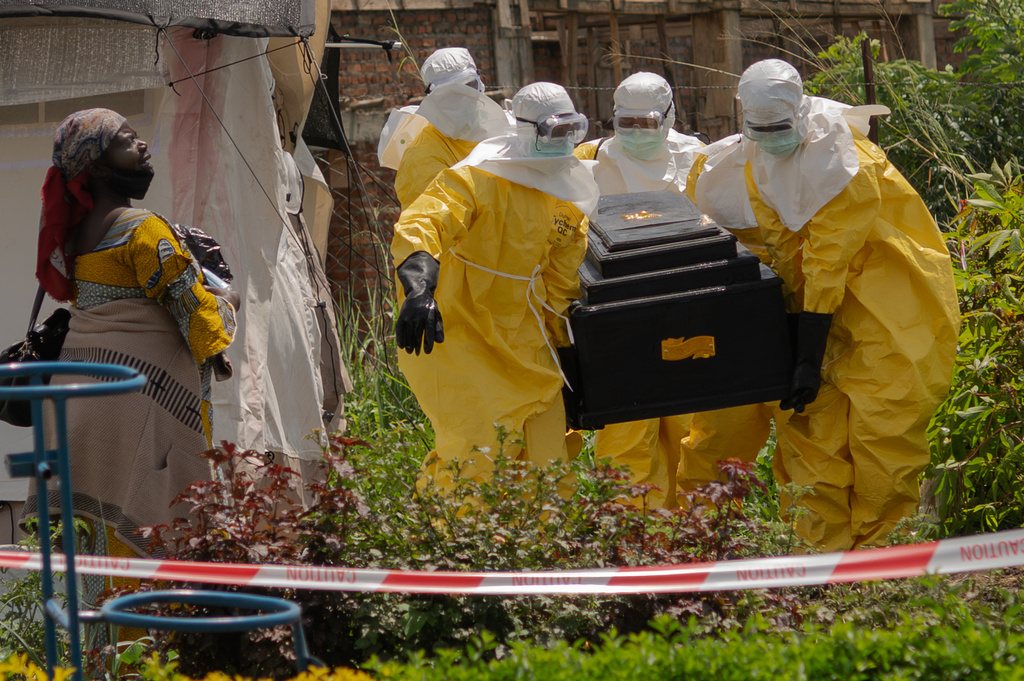
The Democratic Republic of the Congo has experienced multiple Ebola outbreaks over the past five decades and remains one of the countries most affected by the disease. Previous outbreaks have led to substantial improvements in laboratory capacity, emergency response systems and treatment infrastructure. However, public health experts note that ongoing conflict in eastern DRC continues to undermine response efforts by limiting access to vulnerable communities and disrupting healthcare services.
The current outbreak has also renewed concerns about the need for continued investment in epidemic preparedness across the region. International health agencies warn that prolonged outbreaks increase pressure on already strained healthcare systems while heightening the risk of infections spreading across national borders through population movement and trade.
Despite the growing number of confirmed cases, health authorities maintain that the outbreak can still be contained through sustained surveillance, rapid isolation of patients, effective contact tracing and strong community cooperation. The WHO has reiterated that scaling up the response remains critical to preventing further transmission and reducing the human and economic impact of one of the region’s most significant public health emergencies.
