

Kenya’s first national Health Summit is underway at the Kenyatta International Convention Centre (KICC) in Nairobi, bringing together government officials, county health teams, healthcare professionals, development partners, private-sector players and other stakeholders to assess the country’s health reforms and agree on priorities for the next phase of Universal Health Coverage (UHC). The two-day summit, running from August 18 to 19, 2026, is being convened by the Ministry of Health under the theme “Reforms Delivered · Health as a Right.” The meeting is intended to take stock of progress made over the past three and a half years while identifying gaps that continue to affect access, affordability and quality of healthcare.
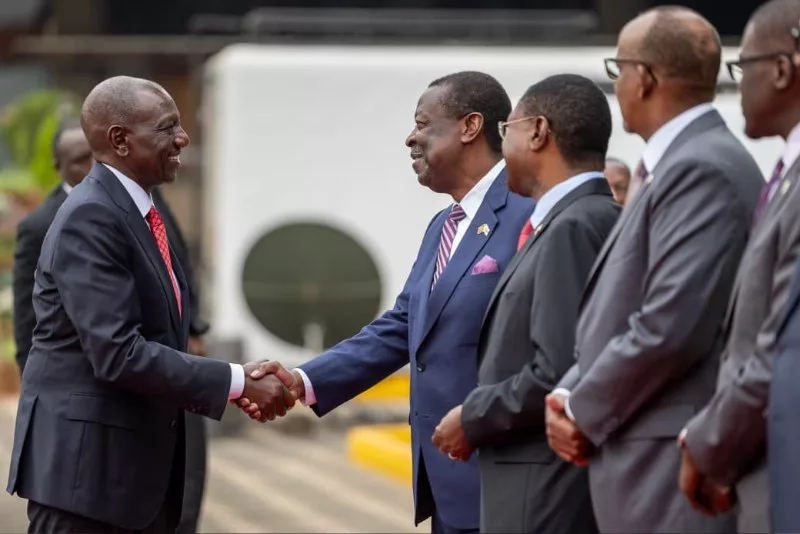
President William Ruto is scheduled to officially open the summit, with the programme bringing together national and county government representatives and health-sector leaders. The official agenda lists an opening address by the President followed by a high-level session on the state of Kenya’s health sector and the acceleration of UHC. A major focus of the summit is the government’s ongoing restructuring of healthcare financing and service delivery. Stakeholders are expected to examine the implementation of the Social Health Authority (SHA) and broader health-financing reforms, alongside progress in primary healthcare and community-based services. The summit’s organisers say the discussions will also cover digital health, legislation, governance and regulation.
Other key areas include the health workforce, availability of medicines and medical supplies, specialised care, emergency preparedness and climate-related health challenges. Amref Health Africa, one of the summit’s partners, said the meeting comes at a time when reforms such as the establishment of SHA and the implementation of legislation covering primary healthcare, social health insurance, digital health and facility improvement financing have created a new framework for UHC. However, it noted that unequal access to healthcare and financial pressures on patients remain challenges. Primary healthcare is expected to remain central to the discussions, particularly efforts to strengthen services closer to households and communities.
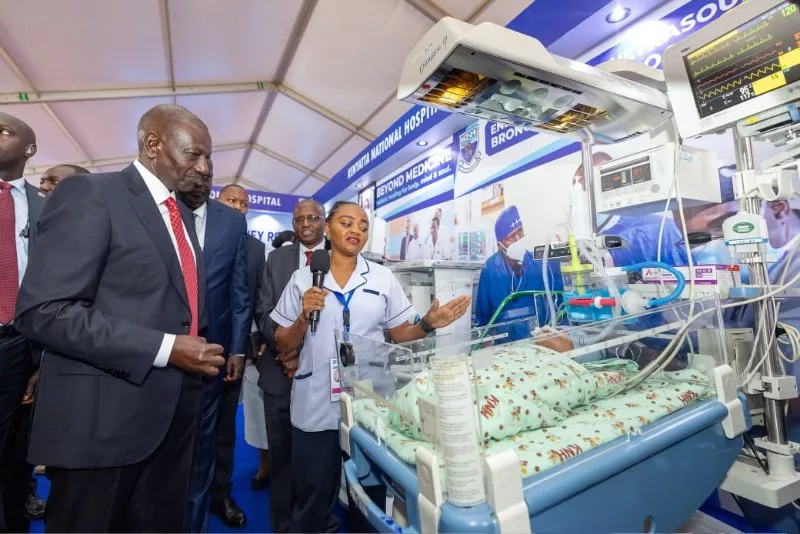
The summit is also highlighting Kenya’s digital health agenda, including electronic medical records, health information systems and other technologies intended to improve the management and sharing of health data. According to the official summit programme, digital health innovation, policy and governance and clinical excellence form part of the wider discussions on improving healthcare delivery. The event also features an exhibition showcasing health-sector innovations from across the country. The official summit website says all 47 counties are represented in a Gallery Walk featuring more than 200 exhibits highlighting reforms, programmes and innovations.
One of the main tests for the summit will be whether discussions translate into specific actions for the health sector. The organisers say the meeting is expected to generate practical policy priorities and help strengthen coordination between national and county governments. The summit is also designed to produce commitments and implementation roadmaps for the next phase of health reforms. This is particularly important because healthcare delivery in Kenya is shared between the national and county governments. Questions around financing, staffing, equipment, medicines and accountability therefore require coordination between the two levels of government. The summit provides an opportunity for those involved in healthcare delivery to assess what has worked, identify areas where implementation remains incomplete and determine which reforms require additional resources or policy changes.
For patients and healthcare workers, the significance of the summit will ultimately depend on whether the discussions address practical problems experienced in health facilities. Key issues include the affordability of healthcare, access to medicines, staffing levels, quality of care and the effectiveness of the new health-financing system. The Ministry of Health has positioned the summit as a platform for reviewing Kenya’s health reform journey rather than simply announcing new policies. Its stated objective is to chart the next phase of transformation towards Universal Health Coverage, where access to quality healthcare is available to Kenyans regardless of their location or ability to pay. With thousands of delegates expected at KICC, attention will now shift to the commitments emerging from the two-day meeting and whether they provide clear, measurable steps for addressing the country’s remaining healthcare challenges.