

The aftermath of this year’s Saba Saba demonstrations has shifted attention from the protests themselves to their human and economic cost, with loss of life, injuries, property damage and widespread business disruption dominating headlines across Kenya’s newspapers and digital news platforms.
Coverage by major media outlets on Wednesday paints a picture of a country assessing the consequences of the July 7 demonstrations, as families mourn loved ones, businesses count financial losses and rights groups renew calls for accountability over the handling of the protests.
The demonstrations, held to commemorate the historic July 7, 1990 pro-democracy movement, unfolded under heavy security across several parts of the country. In Nairobi, police mounted extensive roadblocks on key highways leading into the Central Business District, while security personnel were deployed around Parliament and other strategic installations. The restrictions significantly disrupted transport and commercial activity, leaving many commuters stranded and forcing hundreds of businesses to remain closed.
Business owners, particularly in Nairobi’s CBD, were among those hardest hit. Retail shops, supermarkets, restaurants and informal traders either delayed opening or shut their premises altogether amid fears of unrest and vandalism. Public transport operators also reported reduced operations after access to the city centre was restricted for much of the day.
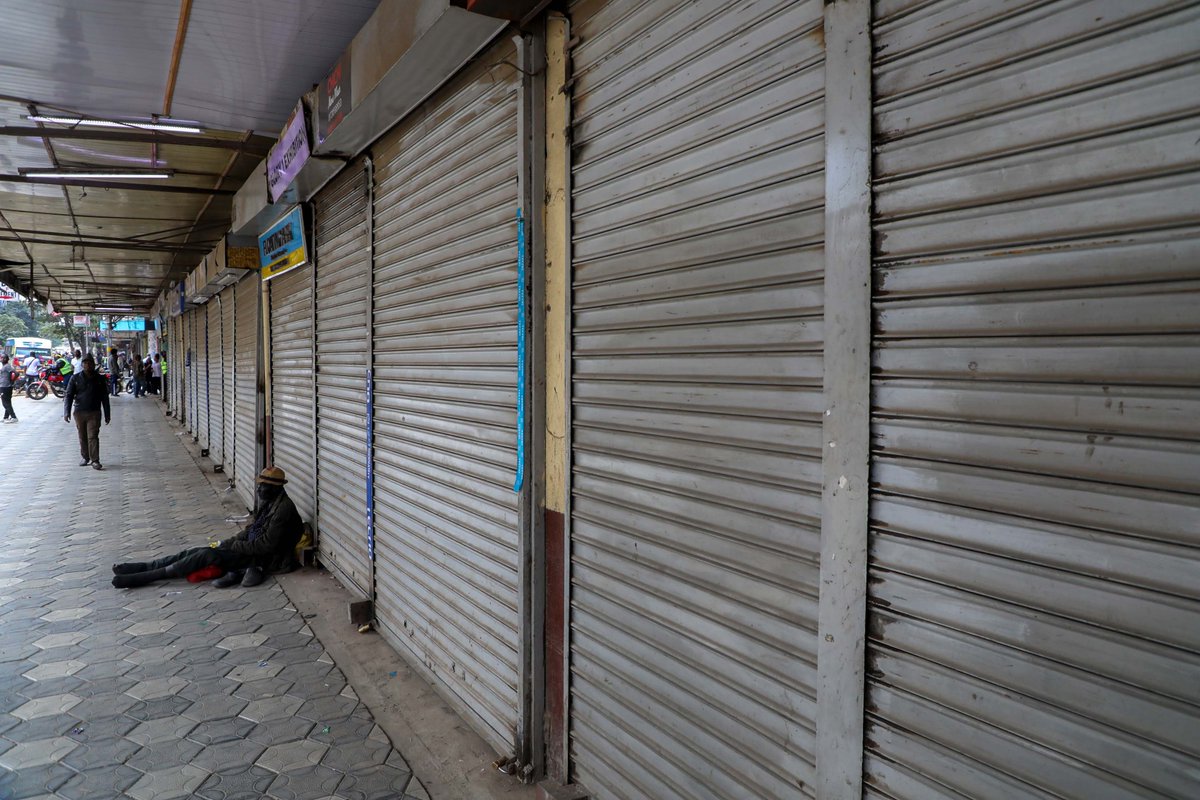
The disruption extended beyond commerce. Schools in several urban areas experienced interruptions to learning as some institutions either remained closed or recorded low attendance because of transport challenges and security concerns. Employers also reported reduced workplace attendance as many workers were unable to reach their offices.
Alongside the economic impact, the demonstrations have reignited debate over the human cost of public protests. Human rights organisations have continued to raise concerns over reported deaths, injuries, arrests and alleged abuses during the demonstrations, urging independent investigations wherever the use of force is alleged.
Police, however, defended the extensive security measures, maintaining that the demonstrations had not been lawfully notified.
“We have never been notified; this is the correct position. Consequently, violence, destruction of property, looting and attacks on police stations are criminal acts. So, all criminal elements will be dealt with firmly, decisively and within the law,” Nairobi Regional Police Commander Issa Mohamud said.
Mohamud added that the restrictions were intended to safeguard lives and property, noting that controlled access had been implemented in sensitive areas, including around Parliament.
Political leaders also reflected on the significance of Saba Saba, with many urging the country to uphold the democratic ideals associated with the annual commemoration.
ODM leader Oburu Oginga called for the day to be recognised as a national holiday, saying, “Instead of turning to the streets in conflict, let us use this moment to appreciate our immense political gains, reflect on our future and honour the brave heroes who fought for our freedom.”
Meanwhile, Nairobi Senator Edwin Sifuna paid tribute to those who lost their lives during political unrest while calling for accountability.
“On this Saba Saba, we celebrate all those who paid the price in the struggle for democracy and an end to human rights abuses and political repression,” Sifuna said, adding that justice should be pursued for victims of political violence.
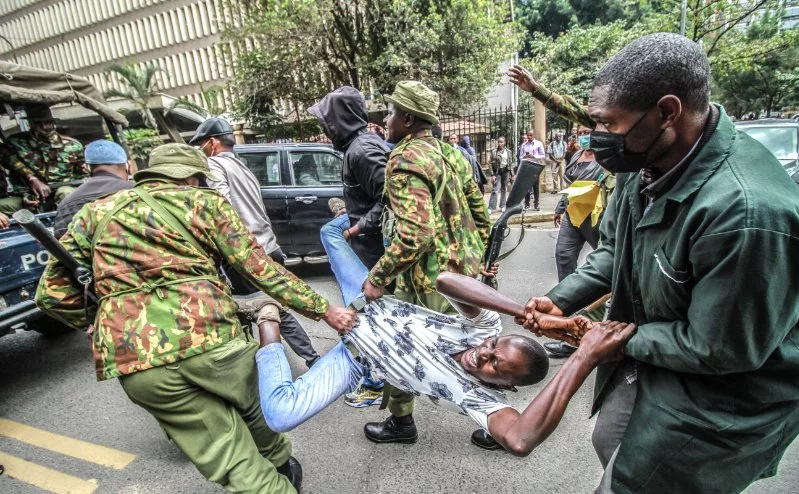
Although several towns, including Kisumu and Eldoret, remained largely calm and recorded normal business activity, Nairobi bore the greatest impact of the security operation, reflecting the capital’s central role during major national demonstrations.
As the country moves beyond this year’s commemorations, attention is increasingly focused on balancing the constitutional right to peaceful assembly with public safety, protecting livelihoods during periods of civil unrest and ensuring accountability wherever rights violations or criminal acts are alleged. The events have once again highlighted the far-reaching social and economic consequences of protest days, extending well beyond the demonstrations themselves.