

The Pharmaceutical Society of Kenya (PSK) has issued a warning to Kenyans not to insert cetirizine tablets into the vagina for tightness. The trend encourages the misuse of medication and poses unnecessary risks to women.
The professional body issued a statement on Thursday, November 5, 2026, saying they were concerned by claims circulating online that women should be using this commonly available anti-allergies medication to help dry out the vagina.
PSK President, Dr Wairimu Njuki, said cetirizine is an anti-histamine that should be taken by mouth to relieve allergic reactions.
“Cetirizine is an allergy medication. It works by preventing histamine, which causes sneezing, a runny nose, itchy eyes and itchy skin reactions like rashes. It has not been approved or tested for any other uses, and definitely not for use in the vagina,” she said.
This warning comes after social media posts began circulating encouraging women to insert these tablets into their vagina. Some claim that this medication can dry out the vagina.
However, PSK said this was untrue as dryness does not make pelvic floor muscles stronger or change the vagina.
“Whilst antihistamines can cause dryness as a side effect, this will not strengthen the muscles of your vagina or change the structure of your vagina. This can cause more friction and discomfort and increase the risk of damage to the tissue,” Njuki said.
Cetirizine blocks histamine and is meant to be swallowed. PSK said the ingredients in these oral tablets have not been tested for use on sensitive vaginal tissue. This could cause irritation, discomfort and damage to tissue.
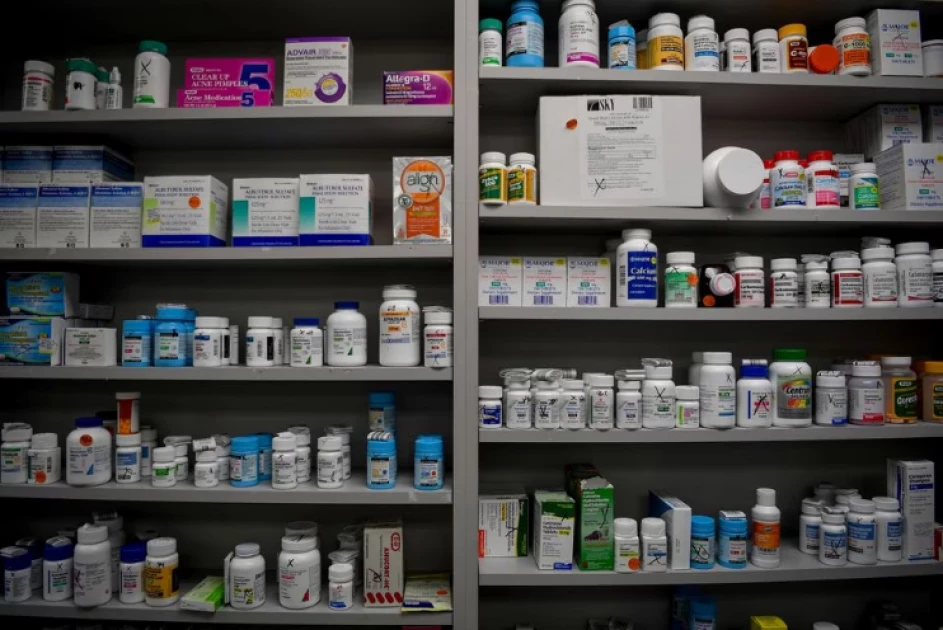
The Pharmacy and Poisons Board (PPB), who regulate medication in the country, have also issued a public warning. They said inserting these tablets into the vagina can cause a burning sensation, soreness, irritation and pain. Using products not meant for the vagina may affect the natural defence system and increase the risk of infection.
Both professional bodies are urging the public not to experiment with medication.
PSK are also concerned about the impact this trend is having on medication sales. They said they have received reports that some pharmacies are experiencing an increase in demand and price. This could cause issues for those who rely on this medication to manage their allergies. They urged pharmacies to keep prices fair.
The society also reminded Kenyans to only buy medication from licensed premises with a registered pharmacist. This shows how unverified health claims can affect individuals and medication availability. They urged those who have inserted these tablets into their vagina to stop and seek medical attention if they experience pain, bleeding, burning, itching, unusual discharge or fever.
If you have any of these symptoms you should seek advice from a healthcare professional. Do not try any further remedies based on social media advice. Just because medication is easily available does not mean it is safe to use for all purposes.
“Just because medication is easily available and common does not mean it is suitable for all purposes. It may have side effects. Patients should only use this medication as indicated on the packaging, or as advised by a pharmacist/doctor,” the society said.
They also urged social media users and content creators to be more responsible.Whilst social media is an important source for health information, unverified claims can spread very quickly and encourage potentially harmful behaviour.
“Whilst social media has become an important source of health information, there are significant public health risks associated with the quick spread of unverified medical claims,” PSK said.
They urged health information to be evidence based. Members of the public should seek advice from a qualified healthcare professional before using medication for other purposes. Health authorities are trying to tackle the issue of medication misuse. The Ministry of Health are also concerned about this trend.
If you are experiencing dryness, discomfort or any other intimate health issues in your vagina you should seek appropriate medical advice.