

A sharp rise in fuel prices has ignited a political storm across the country, with leaders issuing conflicting statements over the government-to-government (G2G) fuel importation deal even as President William Ruto defended the arrangement.
The debate follows the latest review by the Energy and Petroleum Regulatory Authority (EPRA), which pushed the price of super petrol to Sh206.97 per litre and diesel to Sh206.84, deepening concerns over the rising cost of living and triggering immediate effects across the transport sector.
As pressure mounted, former Attorney General Justin Muturi questioned the structure of the G2G deal, raising concerns about whether it truly represents a government-to-government arrangement.
“When I was in government, the G-to-G proposed deal was brought to me by advisers. I asked if it’s indeed G-to-G: on one side we have the Saudi government…but on the other side, I asked who is government? Why are we not using Kenya Pipeline or National Oil?”
His remarks added to a growing chorus of criticism from political figures who have expressed doubts about transparency and accountability in the fuel importation process.
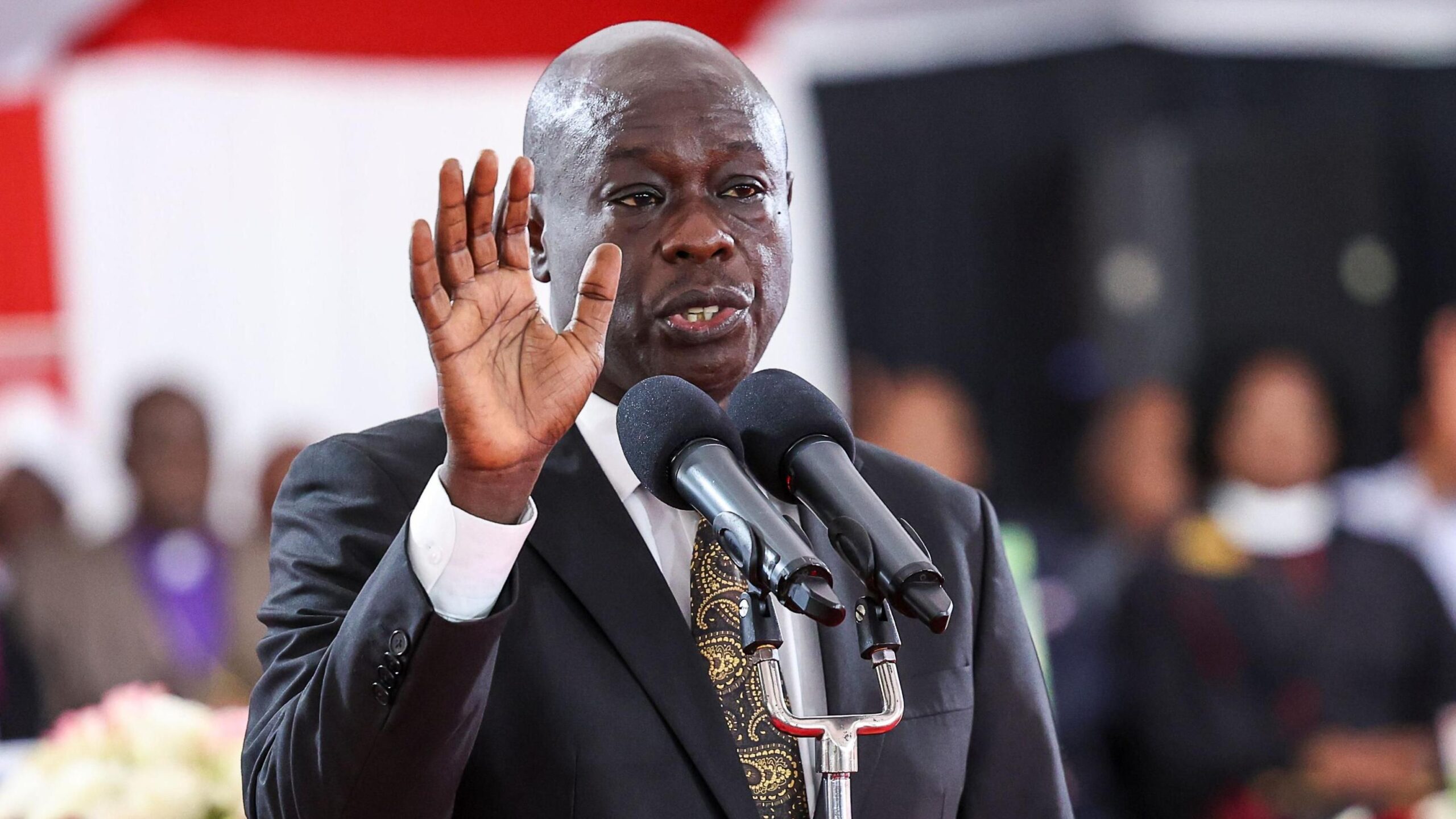
Former Deputy President Rigathi Gachagua escalated the matter, calling for urgent parliamentary intervention and threatening mass action if action is not taken.
“William Ruto, you must immediately direct the Speaker of the National Assembly to convene a special sitting of parliament within seven days to address urgent issues, failure to which the united government shall call for national mass action.”
Gachagua also demanded the resignation and prosecution of Energy Cabinet Secretary Opiyo Wandayi, alongside that of Trade Cabinet Secretary Lee Kinyanjui, alleging misconduct in the handling of the fuel issue.
“We unequivocally demand for the resignation and prosecution of CS Wandayi for the fuel scandal and lying under the oath… and we also demand the resignation of Lee Kinyanjui for being complicit.”
Other leaders echoed similar frustrations, with Trans Nzoia Governor George Natembeya criticizing what he described as a lack of meaningful reforms in the sector.
“This regime cannot continue hiding behind international excuses while failing to implement serious structural reforms at home.”
Natembeya further called for a reduction in fuel-related taxes, greater transparency in procurement, and a long-term strategy to shield Kenyans from recurring price shocks, adding:
“Kenyans deserve relief. Kenyans deserve honesty. Kenyans deserve better.”
Narok Senator Ledama Olekina made more pointed claims, alleging discrepancies in fuel import pricing and suggesting possible exploitation within the system.
“I was shocked to discover that they were all in agreement to import fuel at USD 253.94 per MT—while the same government… imports fuel at USD 84.00 per MT… This is an artificial get-rich-quick scam orchestrated by a fuel cabal!”
Siaya Governor James Orengo also weighed in, accusing regulators of lacking transparency and failing to protect consumers.
“EPRA didn’t just hike fuel prices — they insulted our collective intelligence.”
He called for the publication of the full cost structure behind fuel pricing, arguing that the current system leaves consumers in the dark.
“EPRA must immediately publish the full Cost of Service Study… We are being asked to fund a system that has completely forgotten the person on the ground.”
Kiharu MP Ndindi Nyoro went further, alleging that the G2G arrangement is being used for private gain by individuals within government.
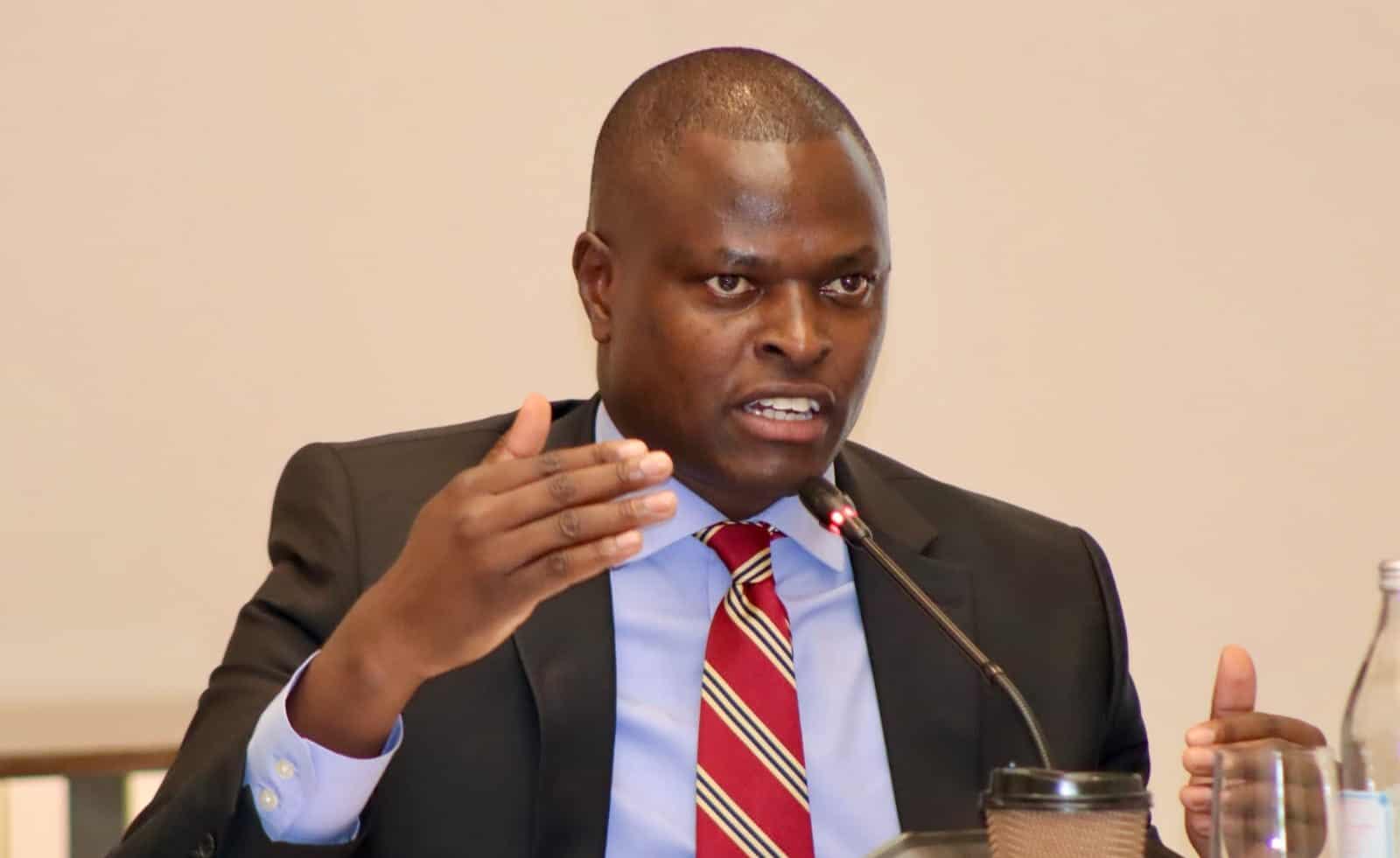
“G2G… is a business enterprise. It is a profit machine for senior government leaders in Kenya… Kenyans to shoulder the burden and the cry.”
Despite the growing criticism, President Ruto maintained that the G2G framework has strengthened Kenya’s fuel supply system and improved competitiveness.
“The G-to-G arrangement has made Kenya very competitive… You cannot compare our fuel with the region or others who don’t have fuel in their countries.”
The government has consistently defended the deal as a mechanism to stabilize fuel supply, ease pressure on foreign exchange reserves, and cushion the country from global oil market volatility.
However, the latest price hike has intensified scrutiny of the policy, with analysts pointing to a combination of global oil price increases, a weakening shilling, and high domestic taxes as key drivers of the current fuel costs.
With transport fares already rising and the cost of goods expected to follow, the fuel pricing debate is rapidly evolving into a major political and economic issue, placing increased pressure on the government to justify its policies and address growing public concern.