

Gen Z and millennials may sit side by side on the generational timeline, but culturally, the gap between them can feel surprisingly wide. From how they communicate to how they consume information and express themselves online, the differences are subtle, but powerful enough to spark everyday tension.
While many of these contrasts are harmless (and sometimes even refreshing), some habits have millennials both amused and quietly stressed. Drawing from shared experiences and broader cultural trends, here are some of the most talked-about friction points shaping this generational dynamic.
The Rise—and Risk—of “Therapy Speak”
One of Gen Z’s most praised qualities is their openness around mental health. They’ve helped normalize conversations that were once considered taboo. But that openness has also come with complications.
“I am a big fan of normalizing mental health conversations… but with access comes misusing and misinterpreting words,” says psychiatrist Dr. Jessi Gold. She notes that terms like “triggered” or “narcissism” are often overused or misunderstood, sometimes leading to self-diagnosis driven by social media rather than professional guidance.
The result? Important conversations are happening, but not always with clarity or accuracy.
Digital Fluency, Real-Life Awkwardness
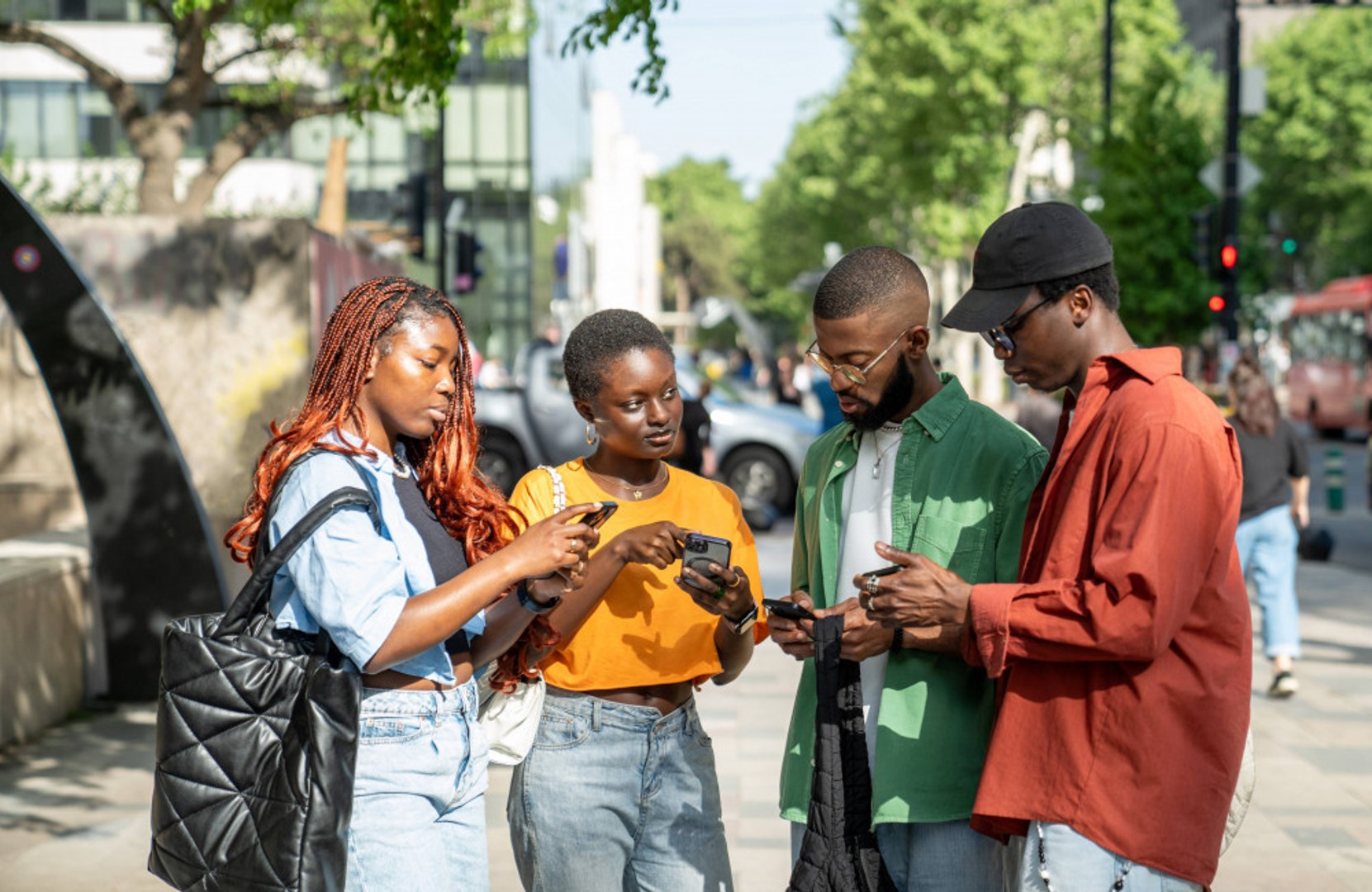
Gen Z are true digital natives, fluent in memes, emojis, and online nuance. Yet that same fluency doesn’t always translate offline.
“I have noticed that Gen Z struggles with basic in-person social skills… the ‘Gen Z stare’ exists for a reason,” says commentator Millennial Mia.
For millennials, who straddle both analog and digital worlds, this gap in face-to-face interaction can feel jarring, especially in professional or social settings where traditional communication still matters.
When Everything Becomes Content
For Gen Z, life and content are often intertwined. Whether it’s humor in hard moments or documenting everyday experiences, there’s a tendency to share in real time even during distress.
Lifestyle creator Shaunie Begley humorously captures this: “Their house could be burning down and they’d post ‘first house fire kinda nervous.’”
Dr. Gold adds a deeper concern, noting that some individuals feel pressure to publicly share personal struggles for validation, sometimes before they’ve fully processed them privately. While this openness reduces stigma, it can also blur emotional boundaries.
News Through the Algorithm
Another key difference lies in how each generation consumes information. While millennials grew up transitioning from traditional media to digital platforms, Gen Z often encounters news directly through social media feeds.
“They quote TikToks and Reels… not understanding that most of the information is clickbait,” says lifestyle influencer Greivy.
This shift has made information more accessible but also more fragmented, raising concerns about misinformation and shallow engagement with complex issues.
Workplace Boundaries or Entitlement?
Gen Z’s approach to work is perhaps one of the most debated differences. They prioritize balance, mental health, and clear boundaries values millennials helped introduce but didn’t always enforce.
“I genuinely admire how intentional they are about work-life balance… but sometimes it can come across as entitlement,” says content creator Erin C.
This evolving mindset is reshaping workplace culture, challenging long-held ideas about hustle, hierarchy, and career progression.
What Millennials Might Be Missing: Three Gen Z Traits Worth Understanding
While the critiques are valid in places, they don’t tell the full story. Many of Gen Z’s habits are responses to a rapidly changing world—and in some cases, they’re setting new, necessary standards.
Authenticity Over Perfection
Unlike millennials, who curated polished social media feeds, Gen Z embraces spontaneity and imperfection. Posting without filters or overthinking isn’t laziness it’s a rejection of unrealistic standards that once dominated online spaces.
Stronger Boundaries Around Identity and Values
Gen Z is more likely to align their work, relationships, and consumption habits with their personal values. Whether it’s sustainability, inclusivity, or mental well-being, they tend to make intentional choices and stand by them.
Humor as a Coping Mechanism
What may look like unseriousness is often layered. Gen Z’s ironic, meme-driven humor is a way of processing uncertainty, stress, and global instability. It’s not that they don’t take life seriously it’s that they’ve found a different way to deal with it.
A Generational Shift, Not a Divide
If there’s one thing both generations can agree on, it’s that the world is changing fast. The friction between Gen Z and millennials isn’t just about habits it reflects a broader shift in how people live, work, and connect.
What feels frustrating to one group may simply be evolution to another. And in that tension lies something valuable: the opportunity to learn, adapt, and maybe even meet somewhere in the middle.