

Lecturers and other university staff in Kenya have launched a nationwide strike over disputes relating to salaries, funding, and the implementation of collective bargaining agreements (CBAs). The Universities Academic Staff Union (UASU), Kenya Universities Staff Union (KUSU) and Kenya Union of Domestic, Hotels, Educational Institutions, Hospitals and Allied Workers (KUDHEIHA) announced the strike after rejecting a counter-offer proposed by public university employers during negotiations with the Inter-Public Universities Councils Consultative Forum (IPUCCF) on Thursday, October 1, 2025. The walkout started on Friday, October 2, 2025.
The negotiations concerning the 2025-2029 CBA agreement broke down after the government failed to commit to how the proposed deal would be funded.
UASU Secretary General Constantine Wasonga says the union has tried all means to address the impasse after engaging with the various university councils, the Ministry of Education, and the National Treasury.
“The money, Sh9.76 billion that they are proposing in Machakos, the union is going to reject it. You cannot have a CBA that is for four years worth of Sh9.76 billion,” Wasonga said, arguing that the proposed amount was too high.
According to Wasonga, the new CBA deal concerns more than just basic salaries as the 2021-2025 agreement which expired on August 31, 2025, mostly covered basic salary. The new deal includes harmonization of allowances and provisions for car loan and mortgage payments, which he said should not be shouldered by lecturers.
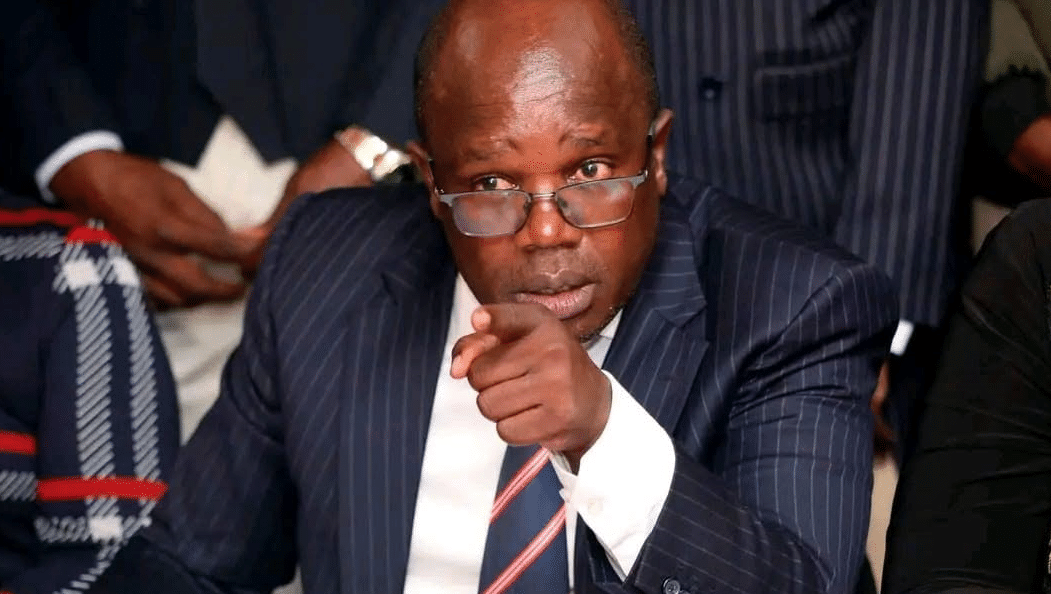
UASU alleges that the government has failed to honor its part of the agreement, particularly the return-to-work formula signed on November 5, 2025. The union has also asked the government to pay the arrears of the 2021-2025 CBA, as well as honor gratuity and promotions dues that have been delayed.
The unions claim that the government’s failure to pay the CBA arrears has left public universities in a dire financial situation since the government pays most of their expenses. They want the government to guarantee to fund salaries and benefits from the National Exchequer and not from university funds, which comes from school fees and other sources.
Public university employers and the government need to address the unions’ concerns regarding CBA funding and payment of the existing arrears. In the meantime, the strike leaves students, parents, and universities themselves in limbo as the dispute drags on.
The effects of the walkout will be felt in all the universities as staff members will not be allowed to perform their duties, including invigilation of examinations and teaching. The impact of the strike will depend on the number of staff members participating in the walkout, as well as the status of various academic activities at different universities.