

The International Monetary Fund (IMF) has advised the administration of President William Ruto to diversify the tax base in Kenya and improve collection. The Fund said that Kenya must find a balance between increasing government revenue and protecting households.
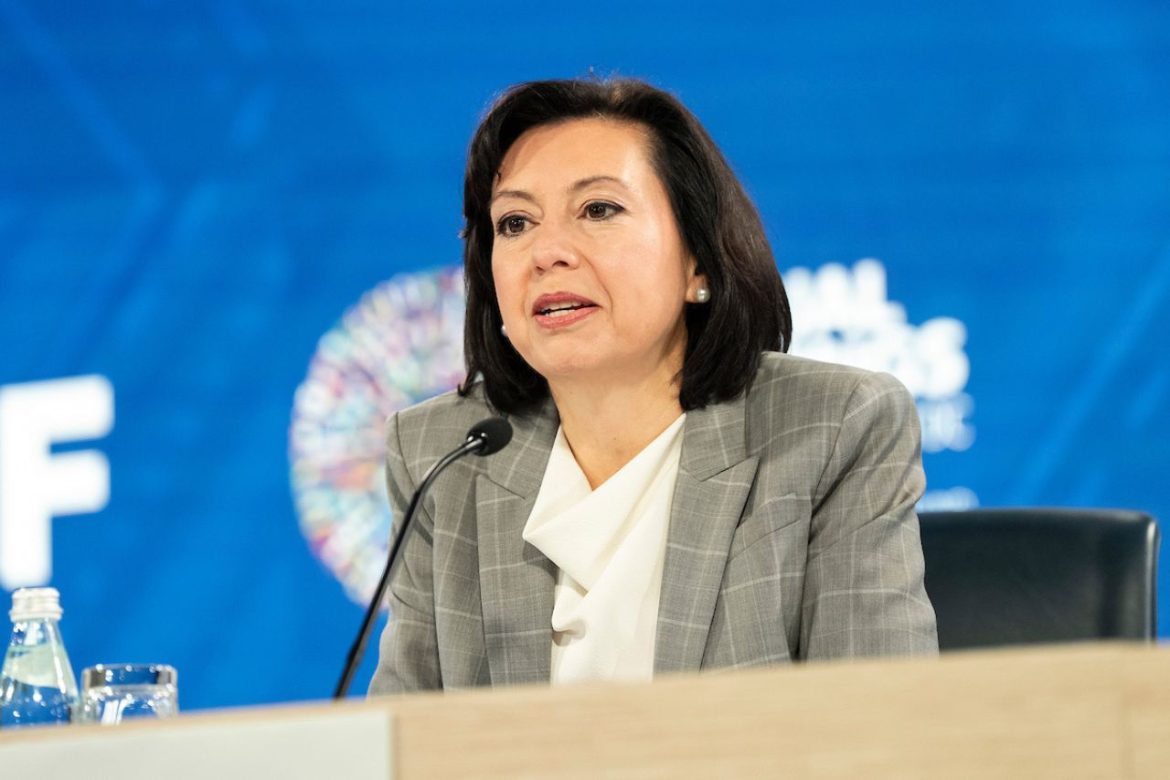
Kenya currently faces significant fiscal and debt challenges and the Fund said that the government should find a balance between improving tax collection and government spending, Julie Kozack, Communications Director at the IMF said in a briefing in Washington.
“We do see significant fiscal and debt challenges and we think that a credible, balanced and equitable fiscal consolidation will be required,” she said. “We’re saying that there should be a focus on broadening the tax base rather than increasing rates,” she said.
Kozack said that the government could improve domestic revenue mobilisation by reducing tax exemptions and ensuring tax compliance.
The recommendations come after public concern grew around tax and statutory deductions that have been put in place by the Ruto administration. Critics say that the taxes are putting more pressure on workers, businesses and consumers.
Improving the tax base means ensuring more people and businesses who are required to pay taxes are included. This means improving taxpayer identification and registration.
This could be done in Kenya by improving taxpayer identification and registration, reducing loopholes, exemptions and improving the ability of the Kenya Revenue Authority to identify non-compliance. This would mean the government could improve revenue without increasing tax rates for those who are compliant.
The IMF also wants Kenya to improve fiscal transparency and social protection for vulnerable households. Kozack said that Kenya needs better social protections for vulnerable groups.
“We’re also recommending greater fiscal transparency and targeted social protections for the most vulnerable in society,” she said.
This indicates that Kenya must do more than simply adjust taxation. They must prove that public money is being spent efficiently and the right people are receiving support.
Kenya faces a tough challenge in funding public services and development projects whilst also ensuring debt is paid. A large proportion of government revenue is used to pay off debt, reducing the amount of money that can be spent on public services such as healthcare, education and infrastructure.
The IMF has recommended that Kenya should have a credible fiscal adjustment. The recommendations come as the government prepare to engage further with the IMF. The Fund will have a mission to Nairobi in early December for Article IV consultations. Discussions around a potential new programme are also anticipated.
Kenya’s previous $3.6 billion IMF programme ended in April 2025 without the final tranche being paid out. This means any future programme will be a key issue. This will be done in a climate where public are resistant to tax increases and the government are under pressure to show that their economic policies are improving living standards.
Tax has become one of the most controversial issues for the Ruto administration after widespread protests around the Finance Bill 2024 forced the President to drop the legislation. The protests, led by young Kenyans, showed the public’s frustration around the proposed tax increases and cost of living. Whilst the administration continue to try and increase revenue, opposition leaders and critics say that too much pressure is being placed on households.
The latest recommendations from the IMF suggest that the government should improve tax compliance, exemptions and ensure those who should be paying taxes are doing so. This should not rely on increasing taxes.
However, care must be taken when increasing the tax base. If more businesses and individuals are taxed without considering their ability to pay then this could put pressure on vulnerable groups and smaller businesses.
The Fund have emphasised the need for fairness, transparency and social protections. The advice from the IMF is not to completely stop taxes but to improve efficiency when collecting. This will mean the tax burden is shared more fairly.
This is an important issue for taxpayers. By improving tax compliance and removing unfair exemptions, there may be less need to increase tax rates. However, the government have not announced any specific measures.
The administration must balance the need for revenue with the impact of taxes on household spending, businesses and investment. Ultimately, Ruto’s government must ensure that public finances are stable without putting more pressure on ordinary Kenyans. This will depend on how effectively they can improve tax compliance, control spending, manage debt and protect vulnerable households.