

Kenya’s petroleum sector remains one of the most critical pillars of the economy, driven by a network of powerful oil marketing companies (OMCs) operating under the oversight of the Energy and Petroleum Regulatory Authority. While the term “oil markers” technically refers to chemical tracers used to curb fuel adulteration, it is commonly used to describe the dominant firms supplying fuel across the country.
As of 2026, the industry reflects a dynamic mix of multinational corporations and fast-growing regional players, with competition intensifying amid shifting market shares and evolving energy demands.
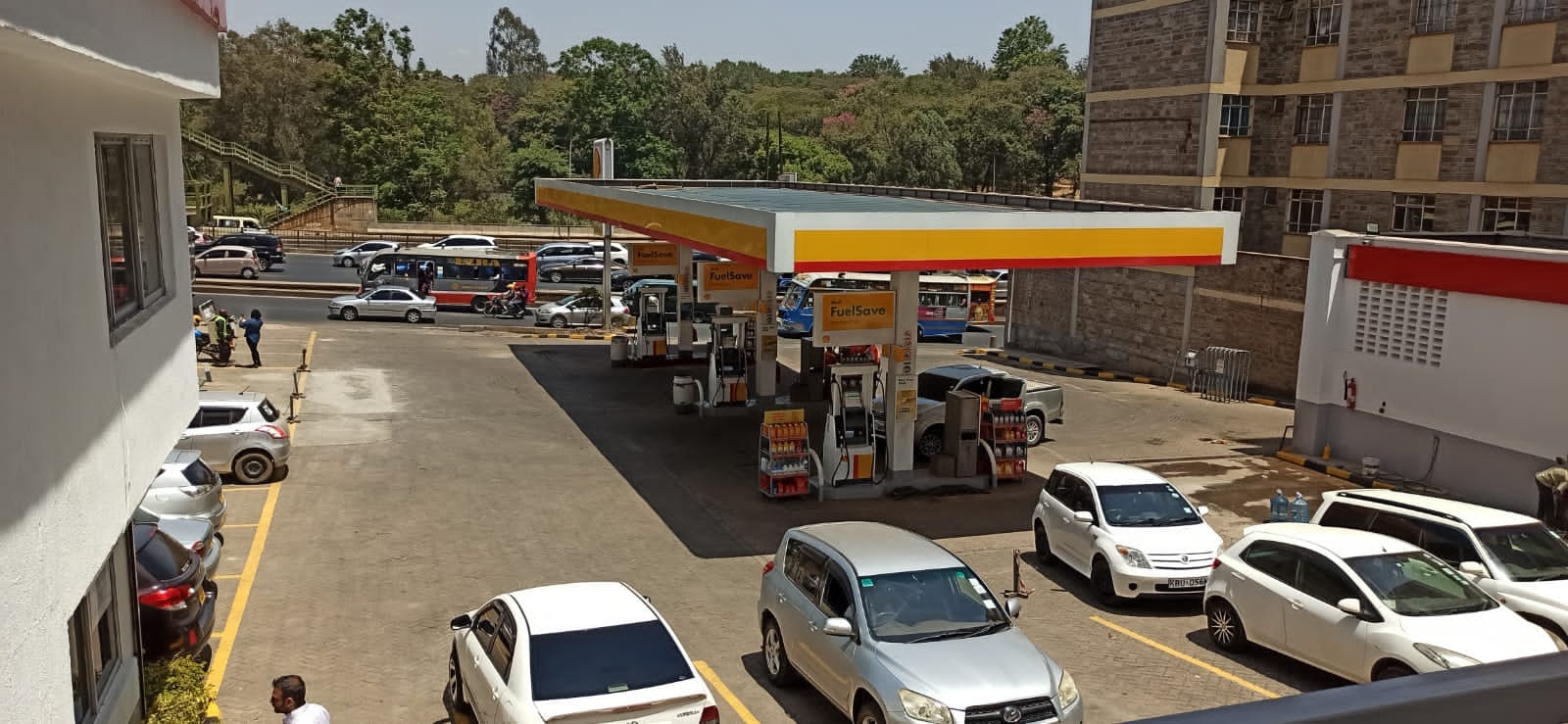
Leading the market is Vivo Energy Kenya, which controls the largest share of fuel distribution. Backed by global commodities giant Vitol, the company operates under the Shell and Engen brands and has strengthened its position following a major Pan-African merger. Its dominance is anchored in an extensive retail network and large-scale storage infrastructure.
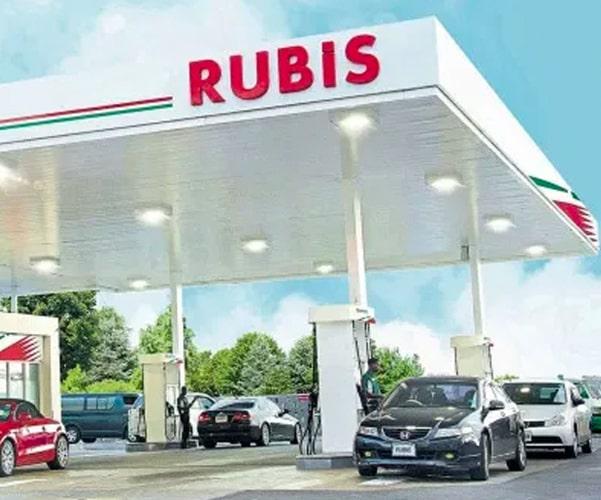
Closely trailing is Rubis Energy Kenya, owned by the France-based Rubis Énergie. Since entering the Kenyan market through the acquisition of KenolKobil and Gulf Energy, Rubis has rapidly expanded, focusing on innovation and growing its footprint in the LPG segment.
TotalEnergies Marketing Kenya PLC also holds a significant share of the market. Majority-owned by the global energy firm TotalEnergies SE, the company combines fuel retail with convenience services and is gradually integrating renewable energy solutions into its operations.
Among the fastest-rising players is Stabex International, which has steadily grown its presence by targeting underserved rural and peri-urban markets. Other notable firms include Be Energy, linked to Saudi Arabia’s Bakri Group, and OLA Energy Kenya, which is owned by Libya’s sovereign investment arm.
Local and regional influence is also evident through companies such as Hass Petroleum, which has expanded with backing from Oman’s state energy firm, and Galana Energies, a key participant in Kenya’s fuel import system. Meanwhile, Lake Oil Kenya continues to grow its footprint, particularly in LPG distribution across East Africa.
At the center of government intervention is National Oil Corporation of Kenya, a state-owned entity tasked with stabilizing prices and safeguarding national energy security, even as it navigates financial constraints.
Beyond market competition, fuel quality remains tightly controlled through a national marking system managed by the Energy and Petroleum Regulatory Authority in partnership with SGS Kenya. This system introduces chemical tracers into fuel supplies, enabling authorities to detect adulteration and tax evasion. As a result, Kenya has maintained fuel integrity levels above 98 percent, reinforcing consumer confidence in the sector.
With global oil dynamics shifting and local demand continuing to rise, these companies remain at the heart of Kenya’s energy future powering transport, industry, and everyday life.