

What started as a lighthearted TikTok clip has grown into a powerful show of unity, as Kenyans mobilised both online and offline to support a young boy and his family in Tharaka Nithi.
On April 26, 2026, crowds gathered at Kajiunduthi Stadium following a viral video of five-year-old Musa Kihara now widely known as the “Kwa Mbae boy” captured while confidently giving directions to a bodaboda rider using local landmarks.
As the phrase “Kwa Mbae” took over TikTok through memes and recreated content, attention soon shifted from humor to concern, with viewers questioning the living conditions seen in the background of the clip.
That concern quickly turned into action.
Content creators, local leaders, and well-wishers travelled from across the country to offer support, bringing donations ranging from cash and clothing to medical pledges for members of the boy’s family.
Among those involved was Nairobi County Head of Customer Care Services Geoffrey Mosiria, who revealed the scale of the mobilisation.
“Today has been a success, tumekuwa Kwa Mbae huko Tharaka Nithi to support Moses Kihara and his brother Lewis, who is battling throat cancer. Through my platforms, I helped raise Sh500,000 to support the family.”
Mosiria added that the fundraising goes beyond immediate relief, pointing to ongoing medical needs.
“Lewis has already undergone surgery and is still recuperating at the hospital, and we continue to pray for his full recovery. Indeed, when Kenyans come together, great things happen.”
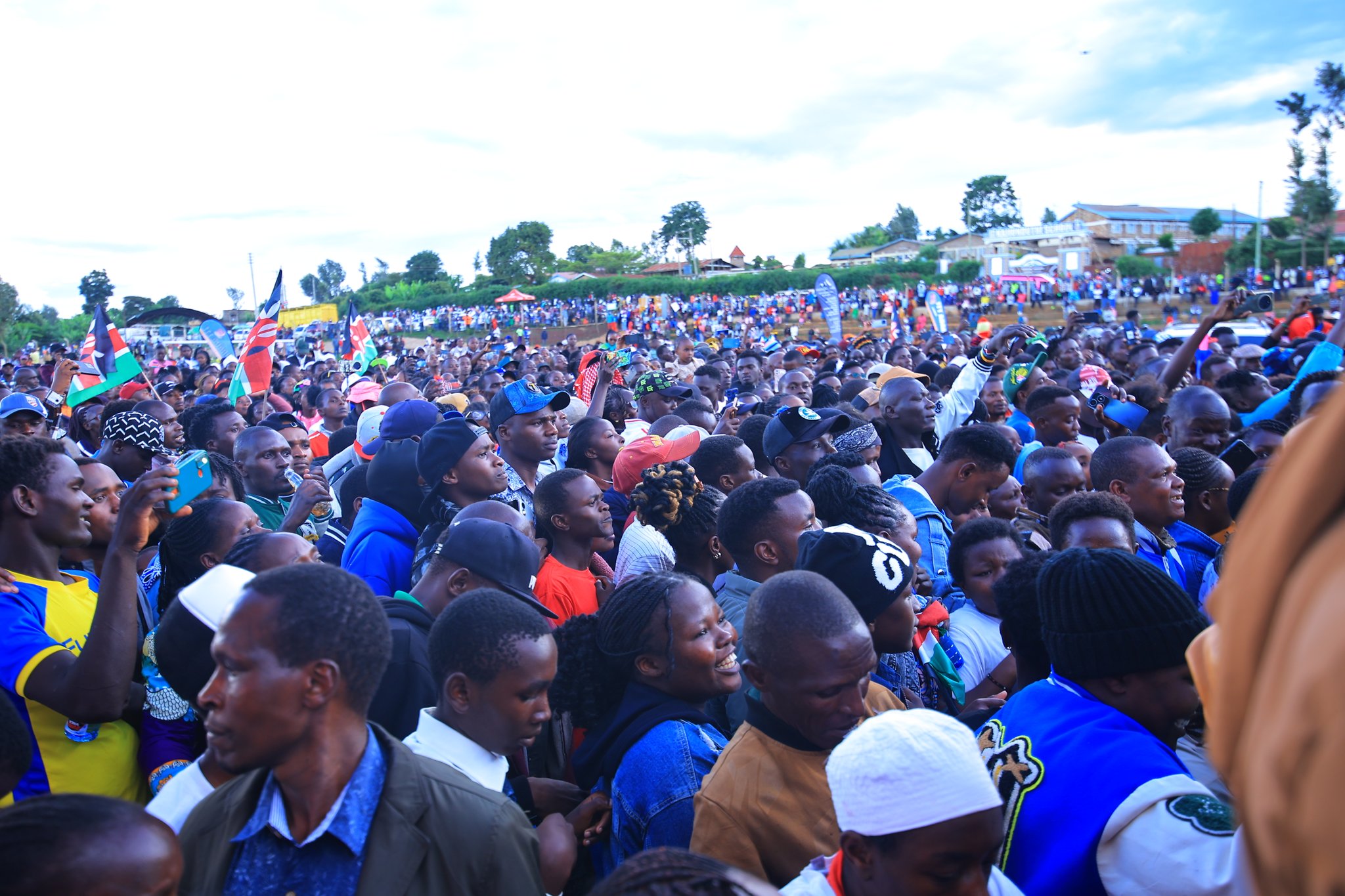
He also used the moment to push for systemic change in healthcare access.
“For purposes of sustainability… I appeal to elected leaders to come up with a bill that will help Kenyans access free cancer diagnostics and treatment in both public and private hospitals.”
The viral clip that sparked it all showed Musa calmly directing a rider who asked, “Unajua kwa Mbae?”,a moment that resonated widely for its authenticity and familiar rural storytelling style.
But as the video spread, so did awareness of the family’s challenges. Online users began tracing the location, sharing details, and calling for help, efforts that culminated in the weekend fundraising drive.
Social media posts captured the emotional tone of the gathering:“Kenyans showing up for their own.”“We came because we laughed. We stayed because we saw a family that needs us.”
Mosiria also noted that support would extend to the bodaboda rider who recorded the now-famous clip.
“We shall as well support the bodaboda rider who recorded him so that he can own his own bodaboda.”
The event marked a rare but powerful shift,from viral entertainment to tangible impact,as digital engagement translated into real-world change.
What began as a simple roadside interaction has now become a national story of empathy, proving that behind every trending moment lies the potential to make a difference.