

Kenya has recorded its first case of Ebola (Bundibugyo Virus Disease) as a 39-year-old man tested positive after being put on quarantine and daily monitoring by the Ministry of Health.
A press statement issued on Wednesday, 13 October 2026, revealed that the man was a close family member of the first patient and that he had shown symptoms of the disease on Tuesday, 13 October 2026.
“The Ministry of Health confirms a second case of Ebola (Bundibugyo Virus Disease) in Kenya. The patient is a 39-year-old male who is a close family member of the first case and was placed under quarantine, daily monitoring on 13 th October 2026 when he started developing symptoms of the disease,” the statement read.
The ministry reported that the patient had a high fever, fatigue and body pains, and health professionals isolated him and took samples for testing. Test results from the National Virology Reference Laboratory and Kenya Medical Research Institute (KEMRI)-Centers for Disease Control and Prevention (CDC) laboratory were positive for the Ebola virus.
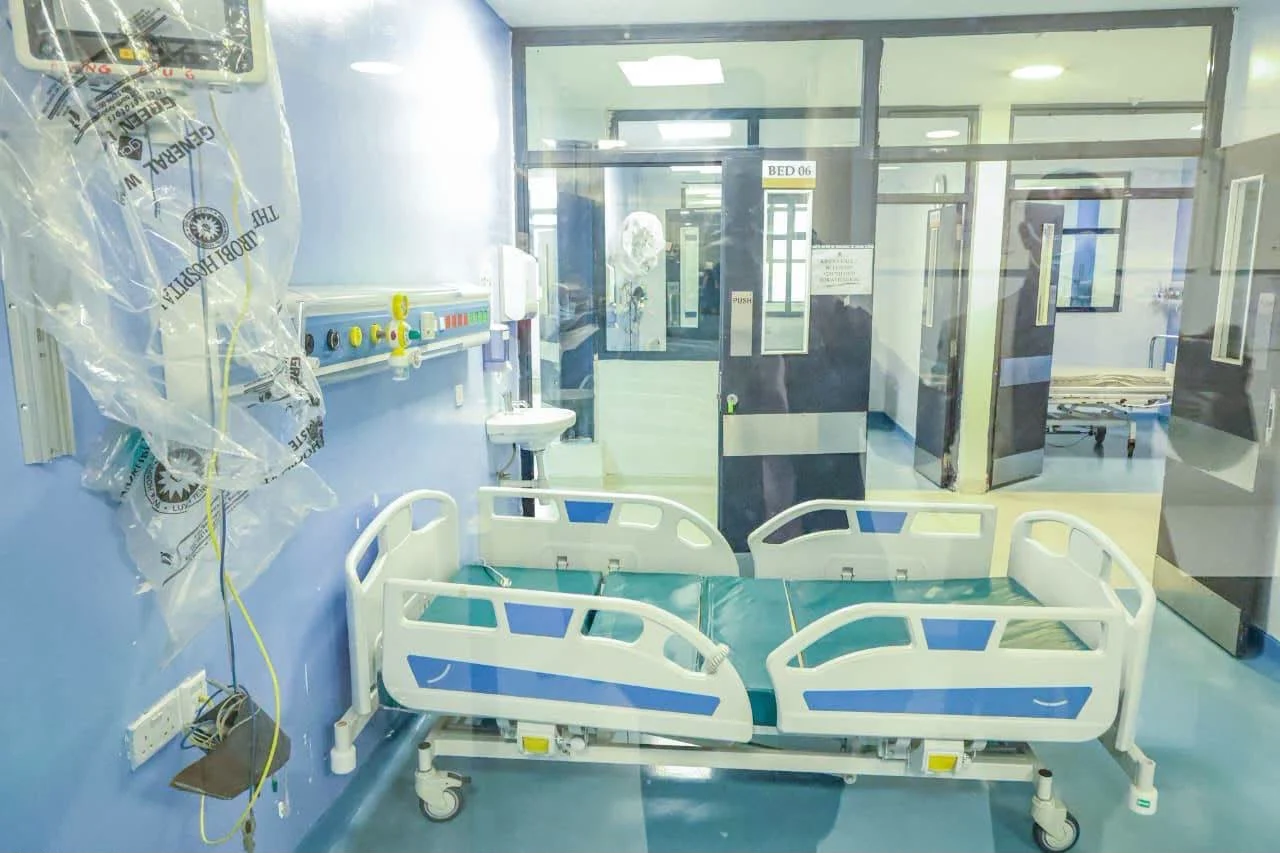
The patient is currently being managed at a referral facility for people infected with the virus.
Health workers have confirmed two cases and one death in Kenya as the country combats the public health emergency. The first patient, a Kenyan resident living in the Democratic Republic of Congo (DRC), died following a positive test result for the Bundibugyo virus.
Health authorities in the DRC are said to have intensified efforts to trace and monitor people who had close contact with the first patient, who is still in quarantine. The second patient was identified after they tested positive for the virus while in quarantine following close contact with the first confirmed patient.
The ministry reported that the two patients are connected, and there is no evidence indicating possible spread of the illness to the general population.
The country is on high alert, with enhanced surveillance, screening, and contact tracing activities to ensure that the patients are managed and monitored to prevent complications and deaths.
The public has been advised to seek healthcare services from designated facilities and to self-report any symptoms they are experiencing while also urging people to avoid spreading false information on social media and seek healthcare services from designated facilities.
The Bundibugyo virus, which has no known cure, is one of the several strains of the Ebola virus. The patients are managed to offer supportive care, which is crucial in the first 21 days of infection. The World Health Organization has reported Kenya’s first locally laboratory-confirmed imported case of the disease as it works to contain the outbreak, which has resulted in some deaths in the DRC.