

The controversy surrounding Kenya’s U.S.-backed Ebola quarantine facility has intensified after seven American humanitarian workers entered a 21-day precautionary quarantine at the Kenya Defence Forces (KDF) biosecurity facility in Nanyuki, Laikipia County.
The seven aid workers, who are members of the U.S.-based Christian humanitarian organisation Samaritan’s Purse, are undergoing medical observation after possible exposure to the Ebola virus while responding to the ongoing outbreak in the Democratic Republic of Congo (DRC).
According to the organisation, none of the seven has developed symptoms of Ebola.
“The seven team members are asymptomatic and are being monitored by U.S. Public Health Service clinicians during a 21-day precautionary quarantine,” Samaritan’s Purse said in a statement.
The quarantine follows a United States policy requiring American citizens who have worked in Ebola-affected areas of the DRC to complete a 21-day observation period in a third country before travelling back to the United States.
Samaritan’s Purse President Franklin Graham also sought to reassure the public over the workers’ condition.
“None of them have any symptoms, but they are being quarantined by the Kenyan government for 21 days,” Graham said.
The seven Americans are the first publicly reported occupants of the specialised facility, whose establishment has been the subject of legal and public scrutiny in Kenya for months.
Earlier this year, the High Court issued conservatory orders halting construction and related activities at the facility pending the determination of petitions challenging its legality. The court also directed the government to disclose documents relating to the project, including agreements, approvals, operational protocols and risk assessments.
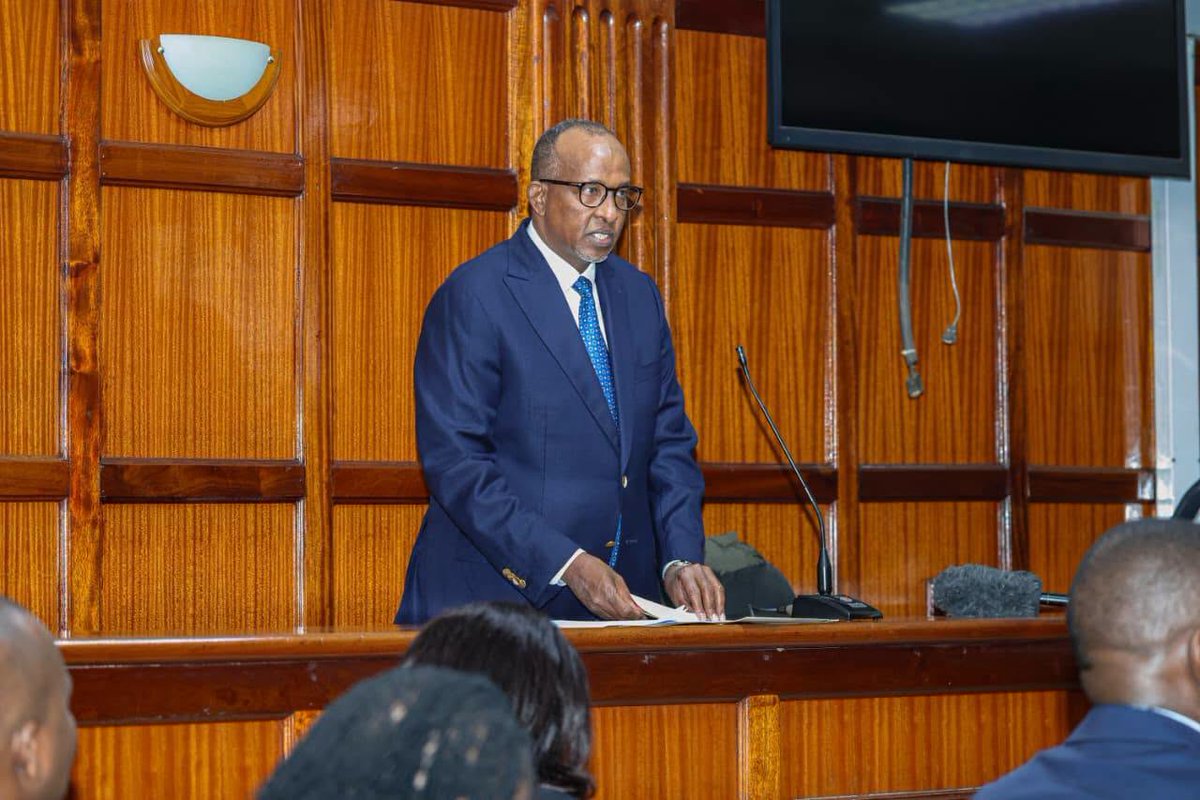
Following the arrival of the aid workers, Katiba Institute moved back to court seeking to have Health Cabinet Secretary Aden Duale and Attorney General Dorcas Oduor cited for alleged contempt of court. The organisation argues that activities at the facility continued despite the conservatory orders and has asked the court to determine whether government officials breached those directives.
The government has defended the project as part of Kenya’s broader strategy to strengthen preparedness for infectious disease outbreaks and regional public health emergencies. Officials have maintained that the facility is designed to enhance the country’s capacity to safely manage individuals exposed to highly infectious diseases under internationally recognised public health protocols.
Importantly, Kenyan authorities have not reported any confirmed Ebola cases linked to the seven Americans or to the current outbreak in the Democratic Republic of Congo. The aid workers are under quarantine solely because of possible exposure while carrying out humanitarian work and not because they have been diagnosed with the disease.
Public health experts distinguish quarantine from isolation. Quarantine is a preventive measure used to monitor people who may have been exposed to an infectious disease but are not showing symptoms, while isolation is reserved for individuals who are confirmed or suspected to be infected.
The latest developments have renewed public debate over the legal framework governing the Kenya-U.S. partnership that established the facility, with civil society organisations calling for greater transparency regarding the agreements underpinning the project and the government’s compliance with court orders.
As the legal proceedings continue, the seven American aid workers remain under medical observation while the High Court considers the latest applications arising from the operation of the facility.
The case has become a significant test of Kenya’s public health preparedness, judicial oversight and international cooperation in responding to cross-border disease outbreaks, even as health authorities maintain that the precautionary quarantine poses no known public health risk to the country.