

Kenya on Thursday concluded the 11th Our Ocean Conference in Mombasa with participating countries committing to stronger action against illegal fishing and renewed calls for faster implementation of international measures aimed at protecting the world’s oceans.
A major outcome of the three-day summit was the adoption of the Mombasa Declaration, signed by 15 countries from Africa, Europe, Asia, the Caribbean and the Pacific. The declaration commits participating governments to improve transparency in the fishing sector by strengthening access to information on fishing vessels, ownership records and licensing systems, while enhancing cooperation to combat illegal, unreported and unregulated (IUU) fishing. The practice is estimated to cost the global economy up to US$50 billion annually while threatening marine ecosystems and the livelihoods of coastal communities.
Although voluntary, the Mombasa Declaration commits signatories to improve transparency in fisheries by sharing information on vessel ownership, licensing and operations to help curb illegal fishing.
The conference also renewed international calls for swift implementation of the Agreement on Biodiversity Beyond National Jurisdiction (BBNJ), commonly known as the High Seas Treaty. Delegates said the agreement is central to protecting marine biodiversity in international waters and advancing the global target of conserving 30 per cent of the world’s oceans by 2030.
Addressing delegates, Cabinet Secretary for Mining, Blue Economy and Maritime Affairs Hassan Joho said the focus must now shift from commitments to measurable action.
“The purpose of this roundtable is not to restate ambition, but to convert such pledges into measurable results for our communities, our economies and our oceans,” Joho said.
Former United States Secretary of State John Kerry, who founded the Our Ocean Conference in 2014, urged governments that have not yet ratified the High Seas Treaty to do so without delay, saying stronger implementation is needed to turn international commitments into tangible conservation outcomes.
“Ratify it if you haven’t, and move immediately to implementation,” Kerry told delegates, while noting that only a small proportion of the world’s oceans currently enjoys the highest level of protection.
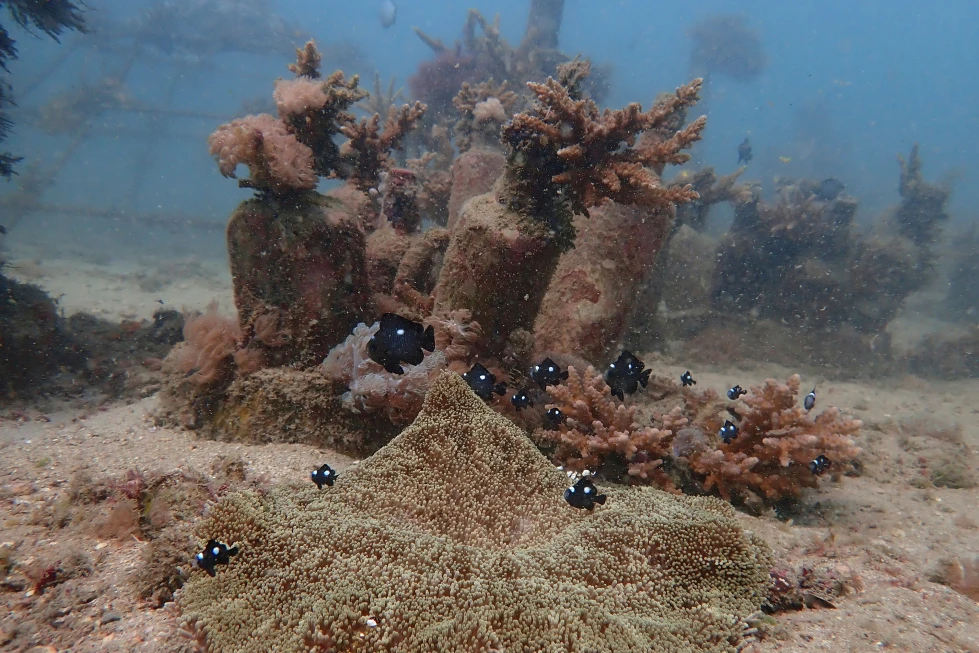
Held under the theme “Our Ocean, Our Heritage, Our Future,” this year’s conference marked the first time the global gathering has been hosted in Africa. The summit brought together representatives of governments, international organisations, scientists, conservation groups, investors and development partners from around the world to discuss practical solutions to marine pollution, biodiversity loss, climate change, sustainable fisheries, maritime security and the blue economy.
For Kenya, hosting the conference represented an opportunity to position itself as a regional leader in ocean conservation and the blue economy. The government used the summit to highlight efforts to strengthen sustainable fisheries, protect mangrove forests and coral reefs, improve marine governance and attract investment into ocean-based industries that support coastal livelihoods.
The blue economy has become an increasingly important part of Kenya’s economic strategy, particularly along the coast, where fishing, tourism, maritime transport and port operations contribute significantly to employment and local economies. Officials say sustainable management of marine resources is essential to ensuring long-term economic growth while preserving fragile coastal ecosystems.
Since its launch in 2014, the Our Ocean Conference has generated more than 2,900 voluntary commitments valued at over US$169 billion, supporting initiatives ranging from marine habitat restoration and scientific research to climate resilience and sustainable fisheries management.
The conference also attracted diplomatic attention after Taiwan claimed some of its delegates were unable to attend following the revocation of their visas, alleging the move was linked to China’s “One China” policy. Kenyan authorities had not publicly responded to the allegations at the time of publication.
The conference concluded with participating governments expected to begin implementing the commitments announced in Mombasa, including measures aimed at improving transparency in fisheries, strengthening marine conservation and supporting sustainable use of ocean resources.
