

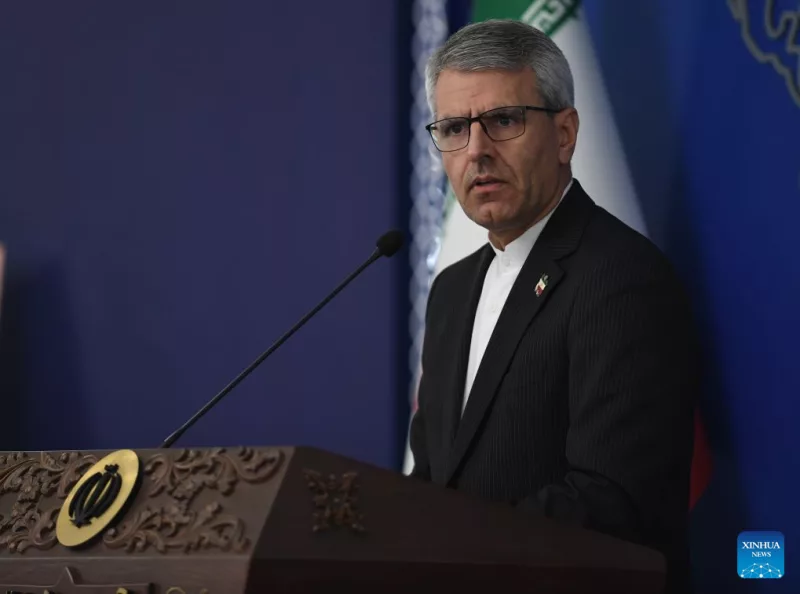
Iran has said it will re-open the Strait of Hormuz and negotiate with the United States in two days if Washington complies with its demands. Iranian Foreign Ministry Spokesperson Esmaeil Baghaei said on Monday, November 2, the seven-point plan originally proposed in September can be implemented in 48 hours.
“We have announced that if Iran’s demands are met, the possibility will exist to restore security to the Strait of Hormuz and start the negotiation process in a short period of time,” Baghaei said, stressing that all of this depends on the American side’s decision on how to proceed regarding the future of the process.
There has been indirect contact with Washington via Qatari mediators. Iranian officials have been in contact with Washington through intermediaries and a draft proposal has been sent around following talks in Doha, according to a report by Reuters.
The new proposal from Iran builds on the seven-point plan presented in September. Tehran says it can be implemented faster, but has not changed its main demands. These include an end to the US naval blockade of Iranian ports, ending sanctions on Iranian oil exports, and unfreezing Iranian assets abroad.
Iran has also demanded a ceasefire in the wider conflict including fighting between Israel and Lebanon.
Opening up the Strait of Hormuz would be part of a deal to ease tensions and ensure maritime security. If Tehran’s demands were met, further negotiations would follow including talks about Iran’s nuclear programme.
Iranian officials have insisted that the US must agree to lifting the blockade and meeting their demands to reach an agreement. Baghaei said that it was up to the US to move the process forward and agree to Tehran’s conditions.
The US have not agreed to all of Iran’s conditions. US President Donald Trump refused to agree to Tehran’s original proposal. It is not clear if the new deadline will bring the two closer to an agreement. The new proposal comes after diplomatic efforts with Qatar.
Iranian negotiators left talks in Doha on Monday after attempts to reach an end to the conflict. However, an official close to the talks said this did not necessarily mean the talks had failed and a draft proposal had been sent around, reported Reuters. Iranian Deputy Foreign Minister Kazem Gharibabadi had travelled to Doha to enable messages to be sent to US representatives via Qatari intermediaries.
The fact that there have been ongoing proposals shows that there are still active diplomatic channels. However there are significant differences between the two over sanctions, maritime restrictions and conditions for resuming negotiations.
Iran has argued the shorter deadline shows its willingness to reach an agreement. However, the US would have to decide if they are willing to agree to Tehran’s demands and that the deal would ensure their security concerns. The diplomatic move comes after fresh threats from both Washington and Tehran over the prospect of further military action.
Iran has tied the re-opening of the waterway to its demands that the US lift the naval blockade and ease economic restrictions. However, the US have not agreed to all of Tehran’s demands. This means there is a tricky negotiation to reach an agreement. Iran wants concessions before implementing its proposal and any deal must ensure realistic security measures for maritime traffic.
Even if the US agreed in principle to a deal there would need to be clarity over shipping lanes, security measures and how soon sanctions/blockade would be imposed. The two-day deadline should be seen as Iran’s proposed time frame for implementing the deal.
Iran have indicated that they are willing to speed up the process if their demands are met. However, without an agreement from Washington there cannot be an assumption that the Strait of Hormuz will be opened.
The next step will depend on decisions from both governments and whether diplomatic contact can lead to acceptable terms.