

The National Assembly has passed the Breastfeeding Mothers Bill, 2024, which seeks to strengthen protections for breastfeeding mothers by requiring employers to provide suitable facilities and support women balancing work with childcare.
The Bill, sponsored by nominated MP Sabina Wanjiru wa Chege, also proposes breastfeeding breaks during working hours, flexible work arrangements for eligible mothers and baby-changing facilities in public buildings.
According to The Standard, the proposed law is intended to address workplace conditions that can force some women to interrupt breastfeeding or leave employment because they lack adequate facilities and time to express breast milk.
The Bill’s passage in the National Assembly marks a key step in the legislative process. It will still need to complete the remaining requirements, including presidential assent, before it can become law.
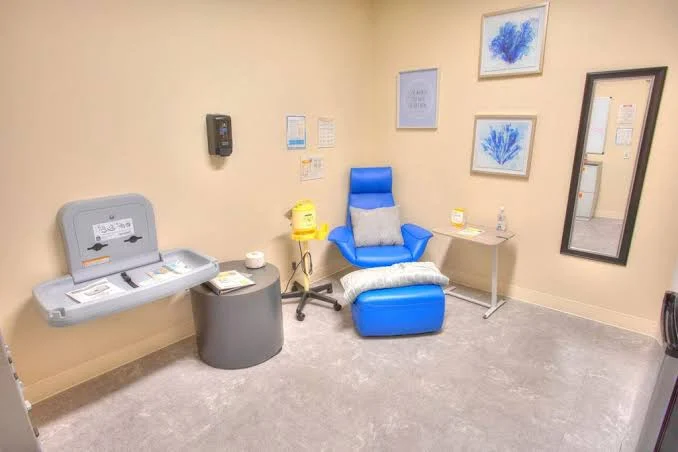
Under the proposed legislation, employers will be obligated to provide designated lactation areas. These would be for breastfeeding employees to nurse their children or to express and store their breastmilk in a confined clean and secure space. They would include lockable doors, washbasins, refrigerator to store the expressed milk, outlets, lighting, and furniture like chairs and tables. In addition, the lactation rooms shall be provided with privacy and should not be in the toilets or bathrooms.
The Bill also provides for appropriate breastfeeding breaks in the working hours. The Cabinet Secretary in charge of labour shall develop the regulations specifying the length of the breaks. Working mothers allowed to breastfeed their children outside their working hours shall also be provided with an extended period of leave, if necessary, on the provision of written instructions by a qualified medical practitioner.
The new law will also enable nursing mothers to apply for variations in their working hours, duties or place of work, to accommodate their breastfeeding needs. Employers shall reply in writing to any application for adjustment of their working hours within 14 days, giving reason in case of rejection. The proposed law will further prohibit discrimination in employment or other benefits, based on pregnancy, childbirth, breastfeeding or any other maternity benefit.
Speaking in the National Assembly on the proposed legislation in July 2025, Chege said, “The principal object of this Bill is to provide a legal framework for mothers who may want to breastfeed their children in their places of work.”
In addition to the provisions in the workplace, the Bill also proposes that owners or lessees of public buildings with an occupant capacity of at least 50 persons must provide baby-changing facilities. The facilities will have a changing table, a bin for use during the procedure and signboards indicating their location. In addition, the proposed law will prohibit the display of breastfeeding a child in public as an indecent act.
The provisions in the Bill are aimed at ensuring that parents and caregivers who travel with their children do not face challenges in finding baby-changing facilities or breastfeeding areas in public.
The Bill was introduced in the National Assembly in 2024 before being debated and sent to committee for scrutiny. It was recommended for third reading after receiving the approvals of the Departmental Committee on Social Protection following consultations with various stakeholders including employers, breastfeeding advocates and local government officials.
After its passage on Wednesday, October 14, 2026, by the National Assembly, the provisions in the Bill will become law through the remaining procedures in the legislative implementation schedule.
Once the law is in effect, it will impose specific responsibilities on employers and public building managers, going beyond individual responsibility in the promotion and protection of breastfeeding.