

Burundian nationals in Nairobi are seeking assistance from their embassy amid uncertainty over Kenya’s planned crackdown on foreigners operating small businesses. The move follows President William Ruto’s September 2 directive targeting foreign nationals involved in hawking and other small-scale trade. The government says the measures are intended to protect Kenyan traders from unfair competition. Burundians have reportedly visited the Burundi Embassy in Nairobi for guidance on how the directive could affect their businesses and livelihoods.
Ruto announced the crackdown while addressing Micro, Small and Medium Enterprises traders at State House in Nairobi. He said foreigners should not compete with Kenyans in businesses such as hawking and small-scale retail, arguing that foreign investment should create jobs and expand production. He directed the Ministry of Investments, Trade and Industry to begin enforcement and said legislation could restrict foreign nationals from certain categories of small-scale trade. The directive has drawn attention because many nationals from neighbouring countries rely on informal businesses in Nairobi and other Kenyan towns. The government has not yet provided figures on how many foreigners could be affected or listed the businesses covered by the proposed restrictions.
Foreign Affairs Principal Secretary Korir Sing’oei later said foreigners who meet Kenya’s legal requirements remain protected. He said those with valid work permits and business licences are legally entitled to operate in the country. Sing’oei also said the President’s remarks had been taken out of context and linked them to the wider debate over the Local Content Bill before Parliament. The clarification suggests the directive is not a blanket order against all foreign-owned businesses. However, uncertainty remains over how the restrictions will apply to foreigners with valid permits and licences.
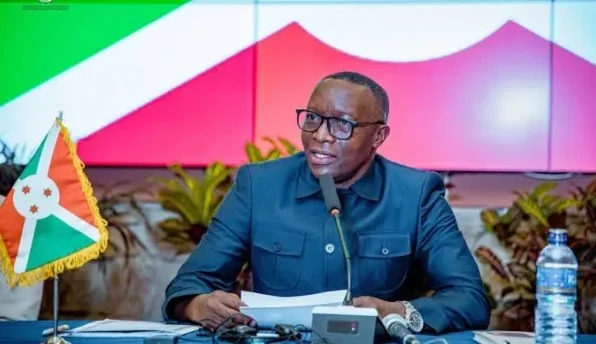
Burundi’s Foreign Minister Édouard Bizimana has called for the protection of Burundian citizens in Kenya and warned that continued anti-Burundian rhetoric could strain relations between the two countries. The warning follows reports of hostility towards some foreign traders after the crackdown was announced. The issue has consequently expanded beyond economic competition to concerns over the treatment and protection of East African nationals living and working across borders.
For Burundian traders in Nairobi, the immediate concern is how enforcement will affect their businesses and livelihoods. Nairobi hosts sizeable communities from neighbouring countries, many of whom work in retail, food, clothing, hawking and other informal-sector activities. The government says such businesses should increasingly be occupied by Kenyans, while foreign investors should focus on ventures that create jobs and expand production. Critics fear legitimate foreign traders could also be affected if enforcement is not clearly tied to immigration status, work permits and business licences. The government has yet to publish detailed enforcement guidelines. For now, Burundians are seeking clarification from their embassy as authorities determine whether the crackdown will target undocumented traders and unlicensed businesses or extend to foreigners with valid permits and licences.