

The government plans to import 25 million 90-kilogram bags of maize to bridge a projected national supply gap following reduced harvests in several major maize-producing regions, Agriculture Cabinet Secretary Mutahi Kagwe has said. Kagwe said arrangements for the imports are already underway, assuring Kenyans that the government has measures in place to maintain adequate food supplies despite the anticipated shortfall.
“We will import maize. We have already made arrangements for that. We will manage the country. The country is not going to go hungry,” Kagwe said.
The announcement comes as the government responds to concerns over declining maize production and the potential effect on household food supplies and prices. Kenya consumes an estimated 75 million bags of maize annually, while reduced production in key growing areas is projected to leave the country with a deficit of nearly 25 million bags, according to figures cited by Kagwe.
The projected deficit has been linked to poor harvests in several food-producing regions, with drought and other climate-related challenges affecting maize production. Reports indicate that the 2026 crop was affected after rains arrived earlier than expected and were followed by a prolonged dry spell during critical stages of crop development. The disruption affected production in some of Kenya’s major maize-growing areas. The government now intends to use imports as an immediate measure to fill the gap between available domestic stocks and national consumption.
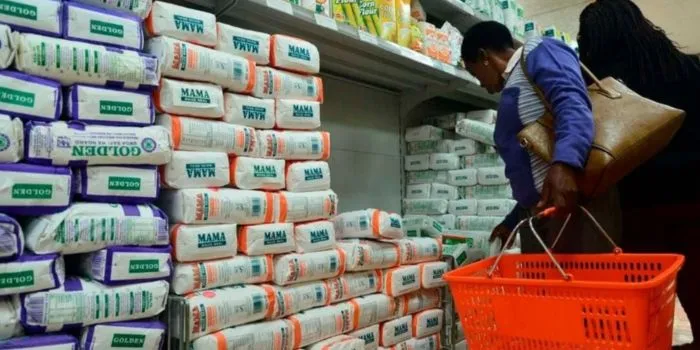
The move is also aimed at preventing a further tightening of maize supplies, which could put pressure on the price of maize and maize flour if stocks fall significantly. Kagwe said the planned imports would provide an immediate response to the projected shortage while the government works on measures intended to increase domestic production.
The announcement follows an earlier government plan to import one million 90-kilogram bags of maize to replenish strategic reserves after disruptions to the 2026 harvest. At the time, Kagwe warned that the shortfall could reach about 5.4 million bags by the end of September. The latest figure of 25 million bags represents a much larger intervention and is based on the government’s assessment of the overall supply gap for the year. Kagwe said imports are not intended to replace efforts to increase local production.
The government is looking to expand irrigation projects, including the Galana Kulalu scheme, as part of efforts to reduce Kenya’s dependence on rain-fed agriculture and make food production more resilient to drought and other weather disruptions. The Agriculture Ministry also plans to work with the National Treasury on taxation and other bureaucratic challenges affecting farmers and agribusinesses. The objective, according to Kagwe, is to make agriculture more competitive while increasing productivity and encouraging greater investment in the sector.
The CS made the announcement during a meeting in Mombasa where the ministry was also advancing consultations around the AgriConnect Compact Programme, which is intended to increase agricultural productivity, promote value addition and create employment opportunities through agribusiness. For consumers, the immediate concern will be whether the planned imports arrive in time to prevent significant shortages and price increases. For farmers, the larger question is how quickly irrigation, productivity and other long-term measures can reduce the country’s recurring dependence on emergency grain imports.
For now, the government says it has begun preparations to import the 25 million bags required to cover the projected deficit and maintain maize supplies as the country navigates a difficult 2026 harvest season.