

An alleged plan to disrupt the Linda Mwananchi political activities in Homa Bay County involved youths who were reportedly paid between KSh2,000 and KSh4,000 to block roads and confront the movement’s convoy, according to an investigation by Daily Nation. The report, published on Tuesday, August 18, 2026, cited police sources and interviews with some youths who allegedly took part in the clashes. It said preparations for the disruption began several days before the movement arrived in the county. The report said youths paid the highest amount, KSh4,000, were allegedly brought in from neighbouring Migori County, while others within Homa Bay were reportedly paid lower amounts. The allegations have emerged as authorities investigate violence that disrupted the Linda Mwananchi tour on Sunday, August 16, leaving several people injured, damaging property and prompting arrests.
According to the Daily Nation investigation, the alleged mobilisation began before the main rally, with youths reportedly recruited to prevent members of the Linda Mwananchi movement from holding political meetings in parts of Homa Bay. The newspaper cited police sources and accounts from youths who allegedly participated in the disturbances in describing an organised effort rather than spontaneous clashes. However, the identity of whoever allegedly financed or coordinated the payments has not been conclusively established in the reports.
The reported mobilisation was followed by violence on Saturday night, when a group of youths attacked the Homa Bay Tourist Hotel, where members of the Linda Mwananchi team were staying. Citizen Digital reported that windows were smashed, property was damaged and items were stolen during the attack. The attackers were reported to have left on motorcycles after the incident. The hotel incident was followed by further disruptions as the political group travelled through the county. According to Daily Nation, the alleged attackers targeted the movement’s convoy at several points, using roadblocks and stones to slow or stop the vehicles.
The violence escalated on Sunday as the Linda Mwananchi delegation moved through Homa Bay. Reports indicated that roads were blocked using stones and other debris, forcing the convoy to change routes in some areas. One vehicle was reportedly set on fire, while several others were vandalised. The unrest also affected journalists covering the political activities, with separate reports documenting assaults on members of the media. The incidents have since attracted condemnation from national institutions, including the National Cohesion and Integration Commission (NCIC), which warned that increasing political intolerance could push the country towards lawlessness.
The violence has also brought scrutiny to statements made by political leaders in the days leading up to the rally. NCIC has summoned Homa Bay Town MP Peter Kaluma to appear before the commission on August 19, 2026, as part of investigations into remarks he made during a political gathering. The commission cited remarks in which Kaluma allegedly called on supporters to confront people campaigning for a one-term presidency and also spoke about inspecting hotels and houses where members of the rival political group had booked accommodation.
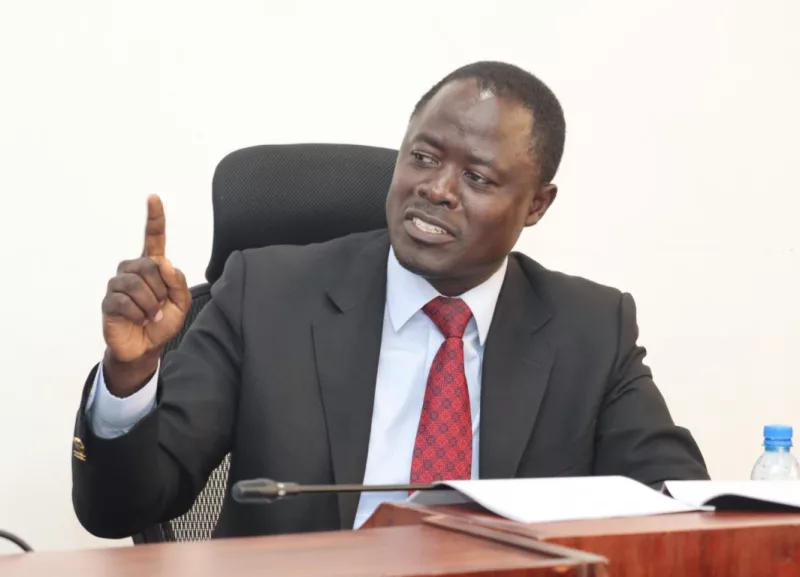
The alleged payments to youths are now part of a wider account of how the Homa Bay disturbances may have developed. 15 suspects were arrested over alleged plans to disrupt political activities in Nyanza, putting the number of arrests following the actual violence at 17. The reported investigation into the alleged recruitment and payment of youths will be important in establishing whether the violence was organised, who coordinated it and whether money changed hands.
The Homa Bay violence has raised broader concerns about political tolerance as Kenya approaches the 2027 General Election. The reported use of youths to disrupt political gatherings, if confirmed through investigations, would raise serious questions about the conduct of political mobilisation and the responsibility of those who organise or finance such activities. For now, the central issue for investigators is to establish who recruited the youths, who allegedly paid them, what instructions they received and whether anyone coordinated the attacks.