

The Independent Policing Oversight Authority (IPOA) has assumed investigations into the death of Erick Otieno, a 19-year-old boda boda rider from Mathare, following allegations that he sustained serious injuries while in police custody before later dying in hospital.
The development was confirmed by the National Police Service (NPS) in a statement issued on Wednesday, in which police spokesperson Muchiri Nyaga said the case had initially been investigated by the Directorate of Criminal Investigations (DCI) before being transferred to IPOA in line with its legal mandate to investigate deaths and serious injuries involving police officers.
According to reports, Otieno was arrested and detained at Muthaiga Police Station before being released. He was later admitted to Mama Margaret Uhuru Hospital, where he died while receiving treatment.
His family has alleged that he suffered severe injuries during his detention and believes the injuries contributed to his death. The circumstances surrounding the alleged injuries remain under investigation.
In its statement, the National Police Service said officers acted immediately after receiving information about the incident.
“Upon receiving the report, the Directorate of Criminal Investigations promptly commenced investigations. The matter has since been handed over to the Independent Policing Oversight Authority, which has the statutory mandate to investigate deaths and serious injuries involving police officers,” NPS spokesperson Muchiri Nyaga said.
The police service added that it would cooperate fully with IPOA throughout the investigation and reiterated its commitment to accountability and adherence to the rule of law.
IPOA, an independent civilian oversight body established under the Independent Policing Oversight Authority Act, is mandated to investigate complaints against police officers, including deaths, serious injuries and allegations of misconduct arising from police operations or while individuals are in custody.
The authority is expected to establish the sequence of events leading to Otieno’s death, including the circumstances of his arrest, detention, release and subsequent hospitalization. Investigators are also expected to review medical records, interview witnesses and examine any available evidence from the police station and hospital.
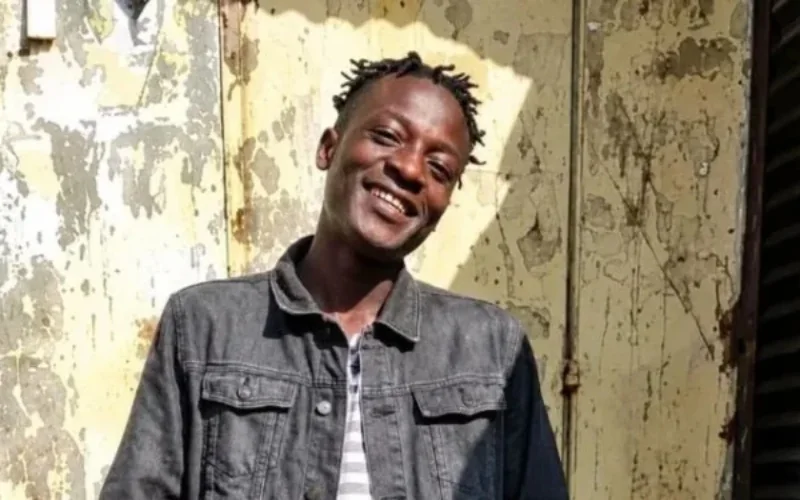
The incident has renewed public attention on the treatment of suspects in police custody and the constitutional obligation of law enforcement agencies to safeguard the rights, safety and welfare of all persons under arrest.
Under Article 51 of the Constitution of Kenya, individuals deprived of their liberty retain their fundamental rights and freedoms, except those that are incompatible with detention. The National Police Service Act and the National Police Service Standing Orders also require officers to protect the health and safety of persons in custody and ensure that those requiring medical attention receive it promptly.
As of publication, IPOA had not released preliminary findings or indicated whether any police officers had been questioned or suspended in connection with the case. Likewise, the cause of Otieno’s death had not been officially determined pending investigations and any post-mortem findings.
The National Police Service urged members of the public to allow the independent investigation to run its course, emphasizing that IPOA’s findings will determine the appropriate legal and administrative action, if any, upon completion of the inquiry.