

The Kenya Wildlife Service (KWS) is investigating the deaths of 15 elephants in the Amboseli ecosystem after preliminary laboratory findings indicated the animals were poisoned by cyanide, with investigators suspecting they ingested contaminated tomatoes while foraging on farms bordering protected wildlife areas.
The elephants died between June 24 and July 24 in the Kimana Sanctuary and Kuku Group Ranch, both located within the greater Amboseli ecosystem in Kajiado County. KWS said the deaths are among the most significant wildlife poisoning incidents recorded in Kenya in recent years.
According to the wildlife agency, veterinarians who examined the carcasses initially observed unusual symptoms that prompted toxicological investigations. Of the 15 elephants, 10 exhibited signs consistent with poisoning, including partial paralysis that left them unable to stand before they died within one to two days. The remaining five carcasses were too decomposed or had been scavenged, limiting the ability of veterinary teams to determine the cause of death through external examination.
Preliminary laboratory analysis later detected cyanide, a highly toxic chemical capable of causing rapid death in both humans and animals.
Speaking after the release of the initial findings, KWS Director General Prof. Erustus Kanga said the evidence strongly points to cyanide poisoning.
“Cyanide is a highly toxic chemical. If elephants consume cyanide, they cannot survive a day or two,” Kanga said.
Investigators believe the elephants may have consumed tomatoes grown on nearby farms, where cyanide-containing chemicals are suspected to have contaminated the crop. Samples recovered from the stomach of one elephant reportedly contained large quantities of tomatoes, strengthening the theory that the animals were poisoned after feeding outside protected conservation areas.
Despite the preliminary findings, KWS has stressed that investigations remain ongoing and that the exact source of the cyanide has not yet been established. Authorities are examining whether the contamination resulted from agricultural chemical use, accidental exposure or deliberate poisoning.
The agency is also analysing environmental samples collected from farms, water sources and surrounding areas to determine how the toxin entered the food chain.
Prof. Kanga warned that the incident could extend beyond wildlife if the contamination is confirmed.
“We have the goats, we have the cattle that are there. Eventually, if this cyanide is truly the one that is in the system, then we are going to see a bigger impact,” he said.

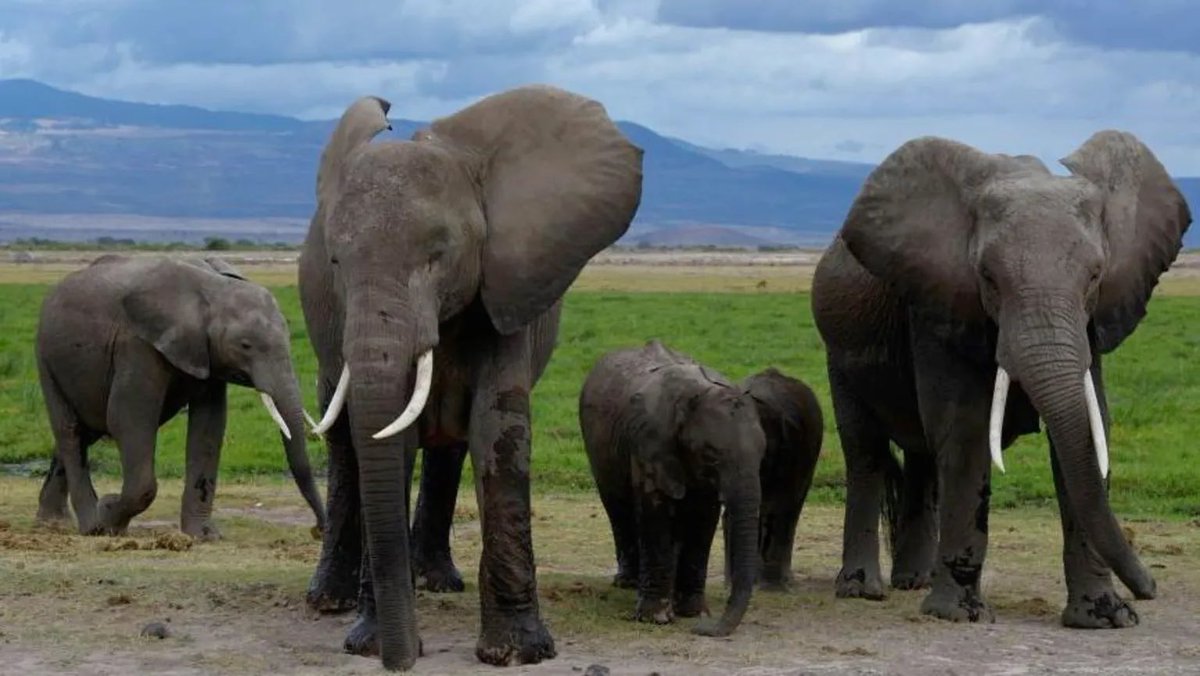
The Amboseli ecosystem is one of Africa’s most important elephant conservation landscapes, supporting an estimated population of more than 1,600 elephants that regularly move between Amboseli National Park and neighbouring community conservancies in search of food and water. While these movements are essential for the species’ survival, they also increase contact between wildlife and farmland, particularly during dry seasons.
Conservation experts say poisoning incidents involving elephants remain relatively rare compared to poaching, making the loss of 15 animals in a single episode particularly significant. The incident has renewed attention on the growing challenges posed by human-wildlife interactions, especially in areas where agricultural activities border conservation landscapes.
KWS has intensified surveillance throughout the Amboseli ecosystem as investigations continue and has urged farmers and communities living near wildlife habitats to exercise caution in the handling and use of agricultural chemicals.
The agency has not ruled out any line of inquiry and says further laboratory analysis will determine whether the contamination was accidental or intentional. The findings are expected to guide any enforcement action and inform future measures aimed at preventing similar wildlife poisoning incidents.