

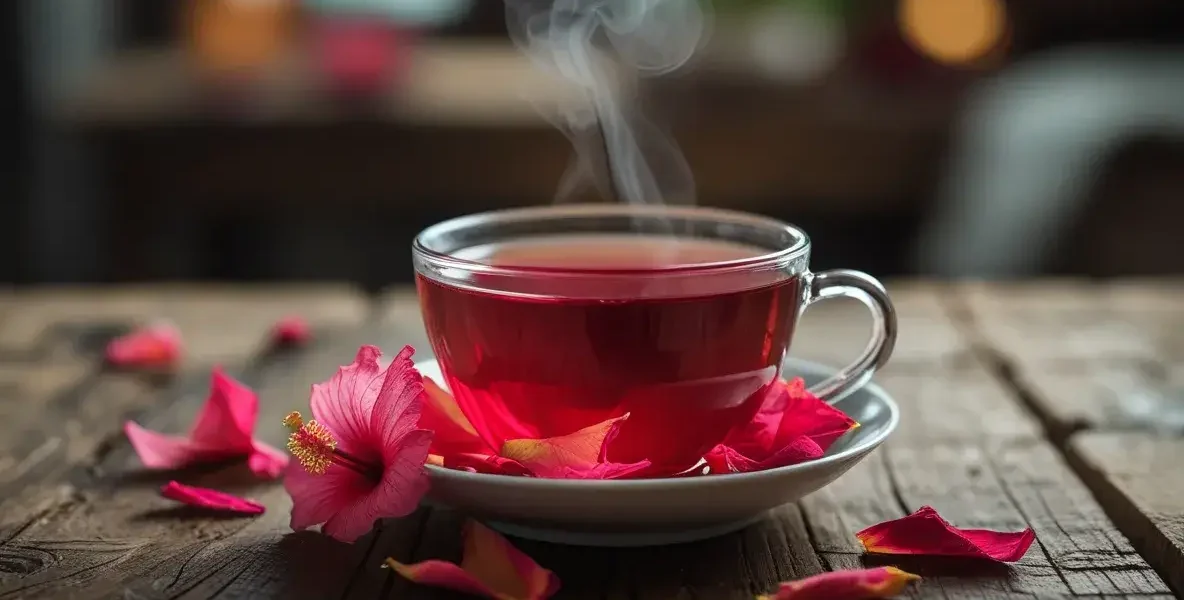
Hibiscus tea, a bright red herbal drink made from dried hibiscus flowers, is gaining attention among health-conscious consumers. Known for its refreshing, slightly sour taste, the drink has been enjoyed for generations in many parts of the world. Today, researchers are taking a closer look at the health benefits that traditional communities have long associated with it.
Hibiscus tea contains antioxidants, natural compounds that help protect the body’s cells from damage caused by harmful molecules known as free radicals. Similar antioxidants are found in fruits, vegetables and other plant-based foods that are considered important for a healthy diet.
Some studies suggest that hibiscus tea may help support healthy blood pressure levels in certain adults. However, health professionals stress that it should not replace prescribed medication. Instead, they say it can be enjoyed as part of a balanced lifestyle that includes healthy eating and regular exercise.
Another reason for the drink’s growing popularity is that it is naturally caffeine-free. Unlike coffee and many traditional teas, hibiscus tea does not contain stimulants, making it a suitable option for people who want to avoid caffeine while still enjoying a warm or refreshing beverage.
When consumed without added sugar, hibiscus tea is also low in calories and can contribute to daily hydration. Health experts, however, advise people taking medication for blood pressure or blood sugar to consult a healthcare provider before making it a regular part of their diet.
As interest in natural and traditional drinks continues to grow, hibiscus tea remains a popular choice for consumers seeking a simple beverage that offers both flavor and potential health benefits. While research into its effects is ongoing, many people continue to enjoy the drink as part of a healthy lifestyle.