

Kenya’s vehicle import market is facing renewed pressure as higher taxes and evolving government policies significantly raise the cost of cars, reducing affordability for consumers and slowing demand across the sector.
The current taxation framework, administered by the Kenya Revenue Authority, applies multiple layers of duty on imported vehicles. Import duty now stands at 35 per cent of the customs value, while excise duty ranges between 20 and 35 per cent depending on engine capacity and fuel type. Value-added tax is charged at 16 per cent, alongside additional levies including the Import Declaration Fee and the Railway Development Levy. Because these taxes are applied sequentially, the total cost of importing a vehicle can rise to between 70 and 100 per cent of its base value.
The impact is evident in market pricing. Common entry-level models such as the Mazda Demio and Nissan Note have recorded sharp increases, with prices rising from an average of about Sh1.35 million to Sh1.7 million and from Sh1.1 million to Sh1.5 million respectively. Smaller models such as the Suzuki Alto, previously retailing at between Sh600,000 and Sh800,000, now cost up to Sh1 million. In some cases, the tax component rivals or exceeds the original purchase price in source markets.
The changes come amid an ongoing transition in vehicle valuation methods. While the tax authority maintains that the 2019 Current Retail Selling Price (CRSP) remains in use as directed by the courts, it has expanded its valuation database and introduced stricter verification through the Integrated Customs Management System. For models not captured in the CRSP schedule, valuation is conducted under the East African Community Customs Management Act, 2004.
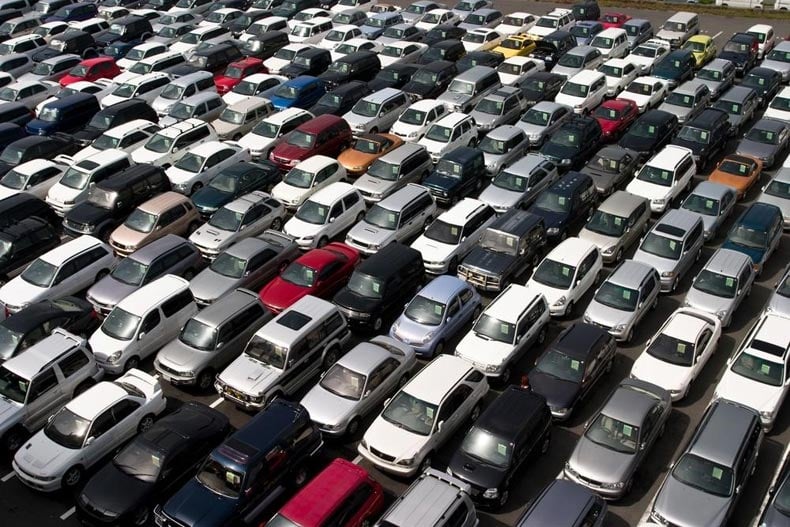
At the same time, regulatory measures are tightening access to imported used vehicles. Kenya continues to enforce an eight-year age limit based on the year of first registration, effectively restricting imports to vehicles registered from 2019 onwards. The government has also indicated plans to progressively reduce the age limit to zero by 2030 as part of efforts to promote local vehicle assembly and transition to newer, cleaner technologies.
These combined factors have contributed to a decline in vehicle imports. Industry data shows imports dropped from 126,415 units in 2021 to 70,275 units in 2023, representing a 44 per cent decrease. Although there was a slight recovery in 2024, volumes remain significantly below previous levels.
The tax authority maintains that the current framework aligns with regional and international standards, including the Common External Tariff and the World Trade Organization’s customs valuation guidelines, and is intended to ensure fairness and consistency in revenue collection.
However, the rising cost of vehicles is reshaping the market, with higher prices reducing access to car ownership and dampening activity in the import sector. The shift is expected to have broader economic implications, particularly for sectors that rely on affordable transport, as the country transitions toward a more regulated and higher-cost automotive environment.