

Kenya is staring at a potential fuel crisis, with shrinking petroleum reserves and rising global pressures threatening to trigger sharp price increases in the coming days. As the country heads into the high-demand Easter travel period, concerns are mounting over supply security and government preparedness.
At the center of the unfolding situation is Energy Cabinet Secretary Opiyo Wandayi, whose ministry has come under scrutiny for what critics describe as delayed response and weak oversight of key supply agreements. In particular, questions have been raised about the government’s monitoring of contractual obligations by Gulf Energy, one of the firms tasked with ensuring steady fuel imports under Kenya’s government-to-government fuel deal.

Reports, from the ministry, indicate that national fuel stocks had fallen to critically low levels in late March, just as demand was projected to spike by up to 20%. This surge is largely driven by increased travel and economic activity associated with the Easter holidays, a peak consumption period that typically strains supply chains.
According to Treasury Cabinet Secretary John Mbadi, the country currently holds only 16 days’ worth of petrol stocks, alongside 19 days of diesel and 49 days of kerosene.
During his appearance before the national assembly committee of finnce and planning he added that, “these figures fall dangerously close to the minimum operational thresholds required to sustain uninterrupted national consumption, particularly for petrol, which remains the most widely used fuel.”
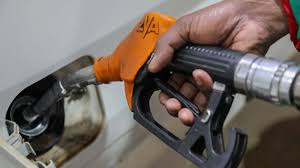
The situation has been exacerbated by global factors, particularly instability linked to ongoing geopolitical tensions, including the war in Eastern Europe and conflicts in the Middle East. These disruptions have affected global oil supply routes and pricing, making imports more expensive and less predictable. As a net importer of petroleum, Kenya remains highly vulnerable to such external shocks.
Energy analysts warn that without immediate intervention, the country could experience not only localized shortages but also a rapid escalation in pump prices. Already, consumers and businesses are bracing for impact, with transport operators and manufacturers likely to pass on increased costs to the public.
While the government has sought to reassure Kenyans that contingency measures are in place, including expedited shipments and strategic reserves, critics argue that these steps may be too little, too late. The lack of proactive planning, they say, has left the country exposed at a critical moment.
If supply gaps persist, Kenya could face a repeat of past fuel crises that disrupted transport, inflated food prices, and slowed economic activity.Some leaders have however proposed fiscal interventions, including calls to reduce Value Added Tax (VAT) on fuel from 16 percent to 8 percent, in a bid to ease the burden on households and businesses already grappling with high living costs.