

Kiharu Member of Parliament (MP) Ndindi Nyoro has accused President William Ruto of ordering state-related institutions to buy Kenya Pipeline Company (KPC) shares before then selling them to a private investor.
Nyoro said in Kiharu on October 27, 2026: “William Ruto, the CEOs of these institutions, the money belonging to NSSF, PCF and other funds, and the money of Kenyans who have retired, this is their retirement money. You invested their money in Kenya Pipeline.”
The issue relates to the approximately 4.5 billion KPC shares bought and sold on the Nairobi Securities Exchange (NSE) on October 19. This is approximately 24.76 per cent of the company.
The MP has accused the President of interfering with investment decisions made by public institutions which are invested in workers’ pension schemes. Nyoro has raised concerns around the involvement of institutions such as the National Social Security Fund (NSSF), Public Service Superannuation Fund and County Pension Fund. He alleged that public institutions were urged to invest into KPC shares during its initial public offering (IPO).
Nyoro argues that this raises concerns about whether these institutions were making enough return on investments for workers. The IPO ran from January 19 until February 24, 2026, with the company being listed on the NSE on March 9. Public institutions did invest in the IPO.
This alone does not show the institutions incurred losses. To understand how much loss they have incurred you would need to know how much they paid for the shares, how much dividend they received, costs involved in the transaction and how much they sold them for.
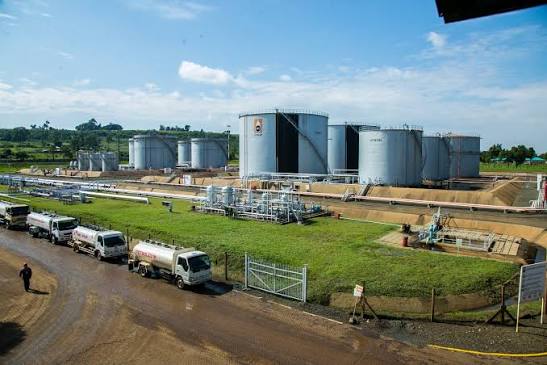
Business Daily reported that at least eight state-related institutions sold shares to a foreign investor. They sold the shares at around KSh9.04 a share after negotiations. They also agreed to forego dividend payments of around KSh1.4 billion.
Nyoro has raised concerns around who the buyer was and alleged the investor had connections to the president’s private interests. These allegations have not been independently proven. Just because the shares were sold to the investor it does not mean Ruto influenced the decision or personally benefitted.
The main concern would be how did these institutions decide to invest, had their board approved the decision and what assessment was carried out to determine the financial aspects.
Ruto has defended the selling of shares saying they are trying to bring in private investment.
“Private investors have taken a 25 per cent stake in Kenya Pipeline from public entities,” said the president speaking during Mashujaa Day celebrations in Eldoret on October 20. “This is a demonstration of increasing confidence in our capital markets, with private investors taking a 25 per cent stake in Kenya Pipeline from public entities. It is yet another step in mobilising private capital for strategic infrastructure.”
Treasury Cabinet Secretary John Mbadi has also defended the deal. He told Citizen TV it was simply a business transaction between a buyer and seller. He also warned people not to make comments that may put off foreign investment.
The government have said this is a way to mobilise private investment. However Nyoro argues there should be more focus on the role of public institutions and pensioners’ savings.
To determine whether the institutions were acting in their beneficiaries’ best interest will depend on the documentation of the transaction, how they assessed the investments and whether there is evidence to back up the MPs claims.