

President William Ruto has resolved to import new breeds of camels and buffaloes into Kenya to help the country overcome a shortage of milk, which he blames on a drought.
Speaking at the Agriculture and Food Security Summit in Jamhuri Park, Nairobi, on Friday, 9 th October 2026, Ruto said he had asked Livestock Development Principal Secretary Jonathan Mueke to source new animals to tackle the problem.
“We have a milk deficit in the country due to the drought and other factors. I have asked PS Jonathan Mueke to help us get a good breed of camel and source a good buffalo breed because I have been told that buffaloes give plenty of milk,” Ruto said, as quoted by Nairobi Leo.
The President stated that they would first try to find out if the animal could be domesticated and used for commercial purposes. He pointed to India, where people consumed buffalo milk.
In India, they consume buffalo milk, and we thought let us start with a few to see if they can provide milk as other people are milking them, ’he said.
The President’s directive will allow Kenya to produce more milk from alternative sources. However, it remains unclear how many animals the government intends to import, where they will source them, the cost of the initiative, and when the first consignment of the animals will arrive in the country.
According to Ruto, Kenya could increase its milk production from camels by introducing new breeds. The President’s proposal to boost milk production from camels will help increase the rate at which they are produced and help satisfy the demand for the product.
Another benefit of these proposed changes is the likely fall in prices of milk from these animals. Ruto said that the retail price of a litre of camel milk was KShs 180, which he said was unaffordable. The money would be spent in transporting, feeding, and caring for the animals. The price has to come down for Kenya to derive benefits from them.
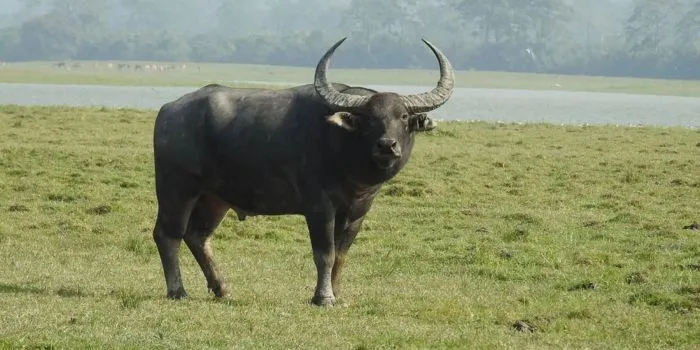
The idea for using buffalo for commercial purposes comes after a directive by the government in Kenya to officially recognize the water buffalo as a food animal. A notice in the government gazette of January 2025 announced that Bubalus bubalis, the domesticated water buffalo, will be a food animal from Kenya under the Meat Control Act. The directive did not propose a buffalo milk industry but made the animal legal to use as food.
The latest directive by Ruto presents an opportunity to develop another use for the buffalo, namely, to produce milk.
India is a country with extensive experience in rearing buffaloes for milk. Kenya could adopt some of the successful methods used in the South Asian nation. However, Kenya will have to carry out research to determine whether the breed is suitable for Kenya’s climate and whether there is demand for its milk.
The government will also have to decide whether it will carry out a pilot study before large-scale farming of the animal can commence. It will be necessary to determine the financial and infrastructural requirements for rearing and caring for the animals before proceeding.
In addition to the questions the plan raises about the financial and infrastructural requirements, Kenya will have to consider whether the increased production of milk from these animals will be affordable to the average consumer. It has to factor in whether the animals will need to be fed, transported, and processed before the milk can reach the consumer.