

Kenya has reported its first imported Ebola Bundibugyo virus disease following a test result of a Kenyan resident who lived in the Democratic Republic of Congo (DRC) for about seven years.
Health Cabinet Secretary Aden Duale announced the development on a Tuesday, October 6, saying the patient had become ill a month earlier while in the DRC and had been treated in a number of hospitals before coming to Kenya.
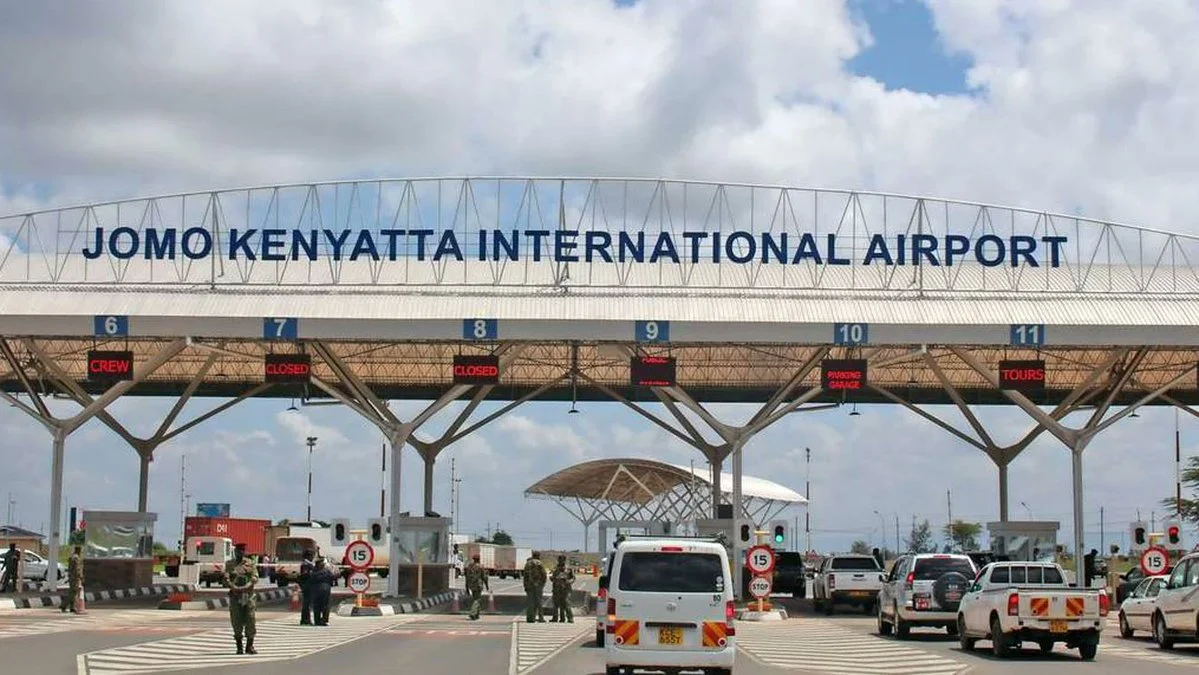
The patient took a bus from DRC to Kampala, Uganda, before taking a Jambojet flight 8523 to Nairobi. He arrived in Kenya on a Saturday, October 3, at about 1:10 pm and was subjected to regular public health screening at the Port Health and Immigration points.
The ministry reported that the patient was immediately taken to Nairobi Hospital from the airport by a relative and a friend and isolated in the facility’s Accident and Emergency. He was admitted with a fever, chills, profound fatigue and weakness, muscle pain, dysphagia, sore throat, and skin oozing from the site of injection. The attending doctors suspected a viral hemorrhagic fever and took samples for testing.
The samples tested positive for Ebola Bundibugyo virus disease at the National Virology Reference Laboratory and Kenya Medical Research Institute (KEMRI) laboratory, according to the Ministry of Health. Duale further stated that the patient was put on supportive therapy but unfortunately passed away at Nairobi Hospital on Monday night.
“The patient was put on supportive therapy but unfortunately passed on last night,” the CS said during a press briefing on Tuesday.
In the meantime, authorities are tracing all persons who may have been infected by the patient during the course of his travels and after his arrival in the country. Besides the 28 contacts initially identified in the examination, health authorities are also tracing 23 passengers and 4 crew members of the Jambojet flight that carried the deceased.
The government reported that they would monitor the 28 contacts identified as being close to the deceased to establish whether the disease was transmitted within the first 21 days of his arrival in Kenya.
The deceased is expected to be laid to rest in a safe and dignified burial to avoid any chance of infection.
The confirmation of the first case of imported Ebola Bundibugyo virus disease comes after Kenya ramped up its surveillance measures due to the ongoing outbreak of the disease in the DRC and its spread to other countries in the region.
In June, the Ministry of Health stated that it had activated the National Ebola Incident Management System, enhanced screening at the ports of entry, and trained over 1000 health care workers on Ebola preparedness. On Tuesday, following the confirmation of the first case, Duale urged the public to remain calm and vigilant but not to cause a panic.
“I wish to assure the public not to panic as all the necessary mechanisms are in place to mitigate the spread of the disease,” the CS said.
The ministry has advised the general public to practice hand hygiene, avoid close contact with the sick, and seek medical attention if they notice any of the symptoms of Ebola infection, especially after traveling to an Ebola-infected country.
The Bundibugyo strain of Ebola virus is currently causing an outbreak in the Democratic Republic of Congo. Ebola is primarily transmitted through direct exposure to bodily fluids such as blood, fluids, and tissues from an infected person or someone who has died from the disease.
Kenya’s health officials are currently working on tracing and monitoring all the people that the deceased might have exposed to the infection and are preparing to see if the disease has spread further.