

The government has designated four laboratories to conduct testing for Ebola Virus Disease (EVD) as Kenya strengthens surveillance and preparedness against possible public health emergencies. The facilities are the National Public Health Laboratory, KEMRI Nairobi, KEMRI Kisumu and a mobile laboratory covering Busia and Bungoma. The Ministry of Interior and National Administration said on Monday, September 14, that the measures are aimed at strengthening Kenya’s ability to detect and respond to a possible Ebola outbreak. The government, however, said no case of Ebola has been reported in Kenya, with all suspected cases tested so far returning negative results.
The laboratory arrangements are part of wider preparedness measures that include increased surveillance at Kenya’s points of entry. Authorities are screening travellers and conveyances at official border points while also increasing monitoring at informal crossing points, truck-driver stopovers and other locations where large numbers of people gather. Multi-agency teams involving the Kenya Defence Forces, National Police Service and National Government Administration Officers have also been trained to support surveillance beyond formal points of entry. The western border region is receiving particular attention because of its proximity to Uganda and the movement of people and goods between the two countries.
The government said healthcare workers are undergoing training, while simulation exercises and stakeholder sensitisation activities are being conducted as part of the preparedness programme. Isolation facilities are also being operationalised to ensure suspected cases can be separated and assessed while laboratory testing is conducted. The government is additionally stockpiling personal protective equipment and infection-prevention materials for use if a suspected or confirmed case is detected. Kenya had earlier identified several counties as having elevated risk because of population movement and major transport and trade routes. In June, Health Cabinet Secretary Aden Duale told Parliament that 22 Ebola alerts had been investigated and all had tested negative.
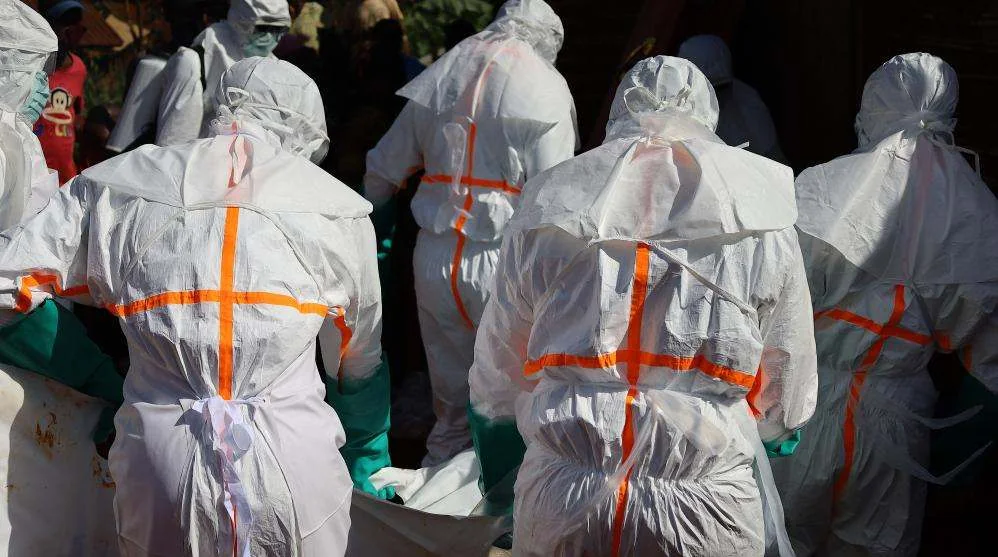
The designated laboratories give authorities the capacity to test suspected Ebola infections within the country rather than relying entirely on external facilities. KEMRI’s Centre for Virus Research in Nairobi already provides specialised diagnostic services for Ebola and other viral haemorrhagic fevers and operates a biosafety level-three containment facility. The Ministry of Health has also said Kenya’s preparedness includes rapid-response teams, specimen transportation systems, surveillance and strengthened infection-prevention measures. The government’s latest measures are therefore focused on early detection and rapid response, rather than indicating that an Ebola outbreak has been confirmed in Kenya. For now, authorities say surveillance remains active and that suspected cases will continue to be investigated and tested as part of the country’s preparedness and response system.