

President William Ruto has directed the Kenya Revenue Authority (KRA) to restore the minimum customs benchmark for consolidated cargo from KSh3.2 million to KSh2.5 million, easing pressure on small-scale traders who opposed the increase. The directive reportedly followed Ruto’s meeting with small and medium-sized traders at State House in Nairobi on Wednesday, September 2, 2026. The dispute concerns the minimum customs value used to clear general containerised consolidated cargo, which allows several traders to share one container. KRA raised the benchmark by KSh700,000 in August, prompting demonstrations in Nairobi’s Central Business District on August 28. Hundreds of traders closed their businesses, while police used tear gas to disperse some protesters.
KRA said the increase was intended to address customs valuation weaknesses and prevent revenue losses caused by undervaluation, under-declaration, misdescription and misclassification of imported goods. The authority cited high-value products such as smartphones, which can be deliberately declared at lower values to reduce tax liability. KRA said the previous KSh2.5 million benchmark had remained unchanged for about six years despite changes in exchange rates, freight costs and national and East African Community tax laws. It said the revised figure followed consultations with industry stakeholders and a one-month grace period requested by traders. KRA has stressed that the KSh3.2 million figure was not a fixed tax or automatic valuation for every 40-foot container. It was a minimum reference point under a simplified clearance arrangement for consolidated cargo. The actual amount payable depends on the goods’ nature, value and classification, as well as other customs requirements.
Traders who dispute the benchmark can request physical verification and have their consignments assessed according to their actual contents and customs value. They may also de-consolidate their cargo and make individual declarations. Many traders, however, viewed the increase as a direct rise in the cost of clearing their goods. Small-scale importers said the higher benchmark would raise operating costs and further squeeze profit margins. Consolidated cargo is important to businesses that cannot fill an entire container because it allows them to share shipping and clearance costs. Traders argued that KSh3.2 million was too high and demanded a return to the previous threshold. Their protests disrupted business in parts of Nairobi’s CBD and pressured the government to reconsider the measure.
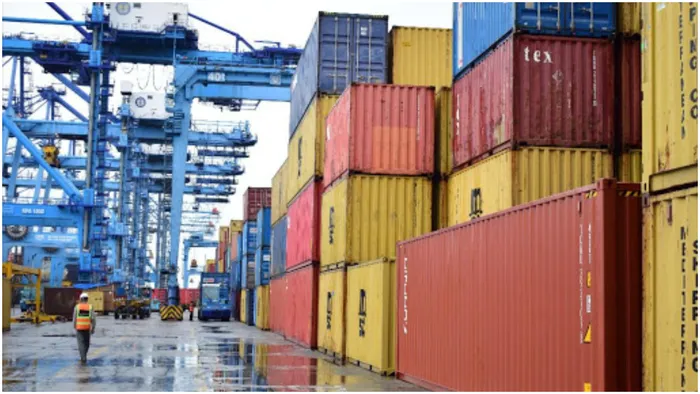
The reported directive shifts the immediate policy position from KRA’s defence of the revised benchmark to a return to KSh2.5 million. The move is expected to ease pressure on small importers, although KRA must still issue formal instructions on how the reversal will be implemented. The government also faces the challenge of balancing traders’ concerns with KRA’s efforts to prevent tax evasion and protect compliant businesses and local manufacturers from unfair competition.
The immediate question is whether KRA will formally notify customs officers and cargo operators of the reversal. The broader debate over consolidated cargo is likely to continue as the authority seeks to detect undervalued and misdeclared goods without imposing unnecessary costs on legitimate traders. For importers, the reported return to KSh2.5 million offers short-term relief and reverses the measure that triggered the protests.