

Businesses under the Pubs, Entertainment and Restaurants Association of Kenya (PERAK) have petitioned the National Assembly to conduct nationwide public participation on the Tobacco Control (Amendment) Bill, 2024, arguing that the current consultation process has not adequately involved affected businesses and members of the public. The businesses presented signed petitions to Parliament on behalf of Kenyans from different constituencies, calling for physical public participation forums to be held across the country. PERAK says the forums would allow traders, consumers and other affected stakeholders to examine the proposed amendments and submit their views directly to lawmakers before the Bill proceeds further.
The petition comes as the Bill is being considered by the National Assembly Departmental Committee on Health. The legislation was initially introduced in the Senate, where it was debated and passed before being forwarded to the National Assembly for consideration. Sponsored by nominated Senator Catherine Mumma, the Tobacco Control (Amendment) Bill, 2024 seeks to amend Kenya’s Tobacco Control Act of 2007. Among its objectives is the creation of a legal framework for regulating emerging tobacco and nicotine products, including vapes and oral nicotine pouches.
The proposed changes have attracted competing views from public health advocates and businesses. Health campaigners have pushed for stronger regulation of newer nicotine products, while some traders and industry stakeholders have raised concerns about the potential impact of certain provisions on legitimate businesses. PERAK says its position is not against regulation but against what it considers an insufficient consultation process. PERAK National Chairman Michael Muthami said the association wants Parliament to ensure that people who could be affected by the proposed law are given a meaningful opportunity to participate in its development.
The association has also urged lawmakers to consider the practical consequences of the proposed measures for businesses, workers and consumers before making a final decision. At the centre of the petition is PERAK’s demand that public participation should not be limited to Nairobi. The association argues that businesses and consumers in other parts of the country should be able to participate through physical forums held in their respective regions.
The demand comes against the backdrop of similar concerns raised when the Bill was being considered by the Senate. Traders in the retail and entertainment sectors had called for wider stakeholder consultations, saying those directly affected by the proposed regulations needed a greater opportunity to present their views. The latest petition therefore puts public participation at the centre of the Bill’s next stage in Parliament.
Industry stakeholders have particularly questioned provisions affecting the sale and regulation of tobacco and nicotine products. Among the issues raised are proposed restrictions on flavours in tobacco and nicotine products, including cigarettes, vapes and nicotine pouches. Some traders argue that overly restrictive measures could affect legitimate businesses and potentially encourage illicit trade. There are also concerns about proposed licensing requirements for businesses selling tobacco products. Traders have argued that additional county-level licensing requirements could increase their regulatory and operating costs, particularly for businesses that already hold county permits.
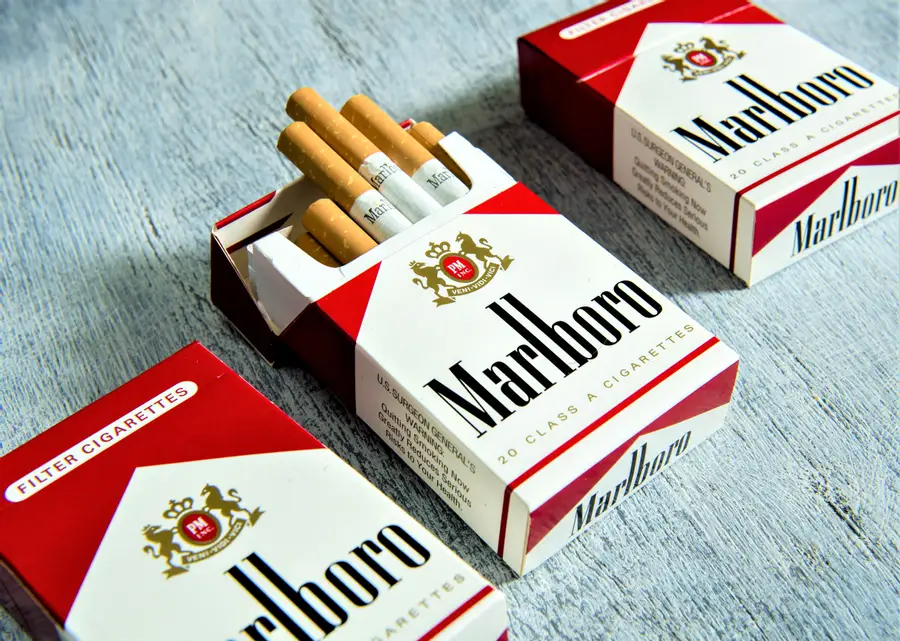
These concerns remain stakeholder positions and are part of the views Parliament will have to consider as it examines the proposed legislation. At the same time, public health advocates have urged Parliament to move ahead with the Bill, arguing that Kenya needs stronger regulation of emerging nicotine products and better protection against tobacco-related harm. The Tobacco Control (Amendment) Bill, 2024 represents the first major proposed review of Kenya’s Tobacco Control Act since it was enacted in 2007.
Its consideration comes at a time when the tobacco and nicotine market has expanded beyond conventional cigarettes to include products such as electronic cigarettes and nicotine pouches. The National Assembly’s Departmental Committee on Health will consider the competing submissions before the Bill proceeds through the House’s legislative process. For PERAK and other affected businesses, the immediate demand is for Parliament to widen the consultation process and hold physical forums across the country.
For public health advocates, the priority remains stronger controls on tobacco and emerging nicotine products. The outcome will depend on how Parliament weighs these competing concerns as it considers the Bill and the submissions presented by stakeholders and members of the public.