


“Wine is bottled poetry.”* These timeless words by Robert Louis Stevenson capture the enduring relationship between humanity and one of the world’s oldest beverages. For thousands of years, wine has transcended its role as a simple drink to become a symbol of celebration, hospitality, culture, and togetherness. Whether served during weddings, family gatherings, festive occasions, or quiet dinners at home, wine has consistently found its place at the heart of human connection.
From the rolling vineyards of France and Italy to the rapidly growing wineries of South Africa and emerging wine regions across Africa, wine tells stories of tradition, craftsmanship, and community. Each bottle reflects the climate, soil, grape variety, and dedication of those who produce it. More importantly, wine often represents moments shared between people moments of laughter, conversation, gratitude, and celebration.
Beyond its cultural significance, wine has long fascinated scientists and health researchers. For decades, studies have explored whether moderate wine consumption may contribute to certain health benefits. While research continues to evolve, there is evidence suggesting that moderate consumption—particularly of red wine may offer some positive effects for certain adults when incorporated into an otherwise healthy lifestyle. However, health experts also emphasize that wine is not a medicine, and people should never begin drinking solely for potential health benefits. Like many pleasures in life, the key lies in moderation and responsible consumption.
The Ancient Drink That Has Stood the Test of Time
Wine has accompanied civilization for over 8,000 years. Archaeological discoveries indicate that some of the earliest forms of winemaking originated in regions of present-day Georgia, Armenia, and Iran before spreading throughout Europe, Asia, and eventually the rest of the world.
Throughout history, wine has played multiple roles. Ancient Egyptians used it during religious ceremonies. The Greeks praised it as a gift from the gods, while the Romans perfected vineyard cultivation and expanded winemaking across Europe. In many cultures today, wine remains a symbol of hospitality, thanksgiving, and celebration.
Its continued popularity is not simply due to its taste but because wine creates experiences. It slows conversations, encourages storytelling, and allows people to appreciate food, company, and special moments.

A Heart-Friendly Companion When Enjoyed Responsibly
Perhaps the most widely discussed health benefit of wine concerns cardiovascular health. Numerous studies have examined the relationship between moderate red wine consumption and a reduced risk of certain heart diseases.
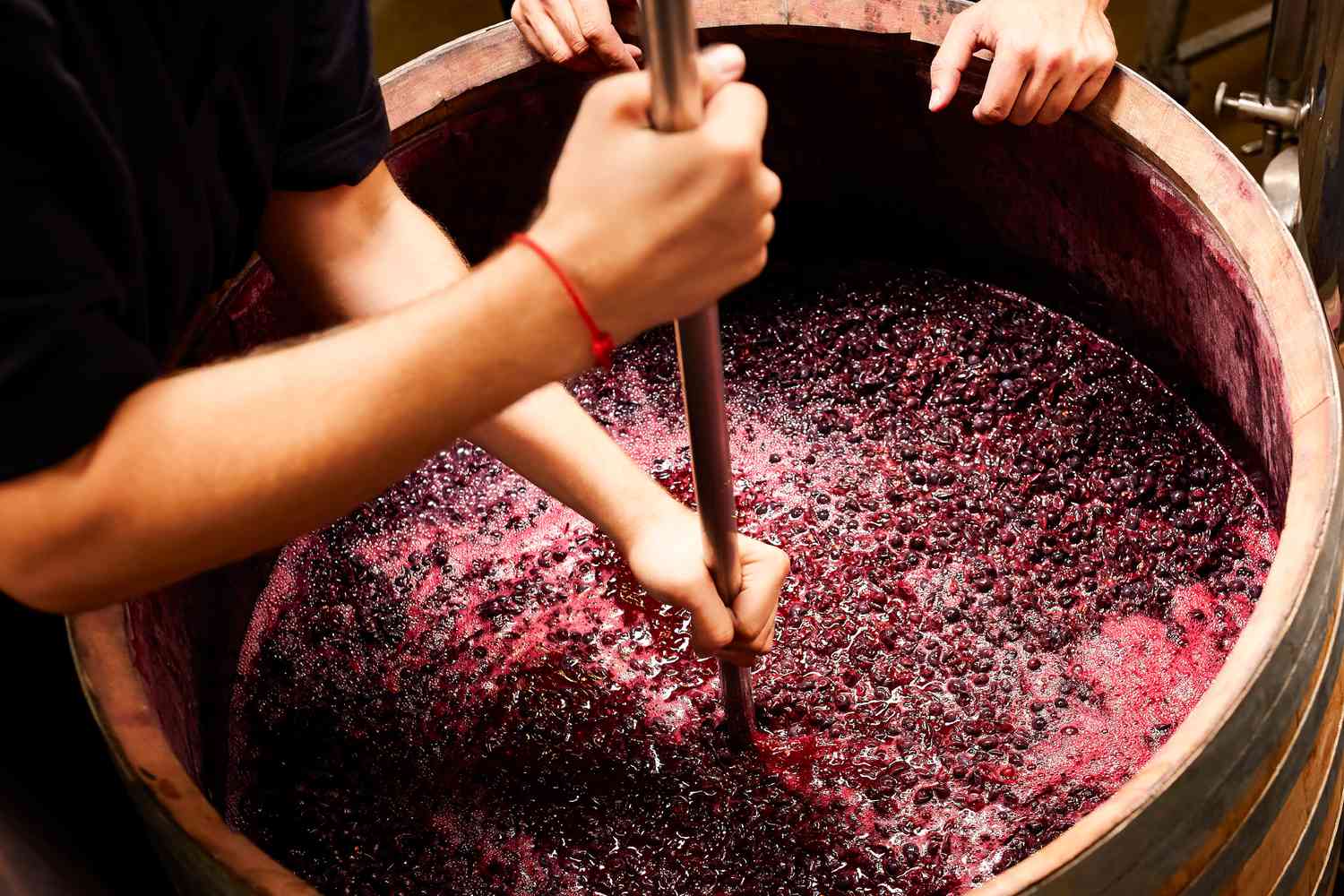
Red wine contains naturally occurring compounds called **polyphenols**, including flavonoids and resveratrol. These plant-based antioxidants are found in the skins of grapes, particularly dark-colored varieties used to produce red wine. During fermentation, these beneficial compounds are extracted into the wine, making red wine richer in antioxidants than many white wines.
Researchers believe these compounds may help:
* Protect blood vessels from damage.
* Reduce harmful inflammation.
* Improve blood vessel function.
* Increase levels of high-density lipoprotein (HDL), commonly known as “good cholesterol.”
* Reduce oxidation of low-density lipoprotein (LDL), often referred to as “bad cholesterol.”
Together, these effects may contribute to better cardiovascular function among healthy adults who consume wine in moderation. Nevertheless, medical professionals caution that similar antioxidant benefits can also be obtained from grapes, berries, nuts, vegetables, and other healthy foods without the risks associated with alcohol.
Antioxidants: Nature’s Protective Shield
One reason red wine receives significant scientific attention is its impressive antioxidant profile.
Every day, our bodies produce unstable molecules known as free radicals during normal metabolism. Environmental pollution, stress, smoking, poor nutrition, and ultraviolet radiation further increase free radical production. When these molecules accumulate, they contribute to oxidative stress a process associated with aging and numerous chronic illnesses.
The antioxidants present in red wine help neutralize these free radicals before they damage healthy cells. Polyphenols, anthocyanins, tannins, and resveratrol work together to reduce oxidative stress, potentially lowering the risk of certain chronic diseases.
While wine is certainly not the only source of antioxidants, it remains one of the more studied beverages because of its unique composition derived from grapes.
Healthy Aging: Can Wine Help Us Live Longer?
For many years, researchers have been intrigued by what became known as the “French Paradox.” Despite consuming diets relatively rich in saturated fats, certain French populations historically experienced comparatively lower rates of heart disease. Moderate wine consumption was proposed as one of several contributing lifestyle factors.
Subsequent studies found associations between moderate wine consumption and healthy aging. Scientists believe antioxidants may help reduce chronic inflammation, preserve blood vessel health, and minimize cellular damage associated with aging.
However, modern research also recognizes that individuals who drink wine moderately often share other healthy habits. They may eat balanced diets, exercise regularly, maintain strong social networks, and have better access to healthcare. Therefore, while wine may play a role, it is likely only one part of a much broader lifestyle picture.
The lesson is simple: longevity depends on a combination of nutritious food, physical activity, quality sleep, stress management, meaningful relationships, and responsible lifestyle choices.
Supporting Brain Health
Maintaining cognitive health has become increasingly important as populations age worldwide. Among the compounds studied in relation to brain health, resveratrol has attracted considerable attention.
Laboratory studies suggest resveratrol may possess neuroprotective properties by reducing inflammation and protecting nerve cells from oxidative damage. Researchers continue investigating whether these properties could contribute to slowing age-related cognitive decline or reducing the risk of neurodegenerative diseases such as Alzheimer’s and Parkinson’s.
Although results remain promising, scientists agree that more long-term human studies are needed before firm conclusions can be drawn. Brain health is influenced by numerous factors, including education, exercise, sleep quality, nutrition, blood pressure management, and social engagement.
Wine and the Joy of Human Connection
Perhaps one of wine’s greatest contributions cannot be measured in laboratories.
Throughout history, wine has served as a social catalyst. Families gather around dinner tables, friends reconnect over shared meals, and celebrations become more memorable with a carefully selected bottle.
Unlike hurried lifestyles dominated by digital distractions, sharing wine often encourages people to slow down. Conversations become longer, meals more enjoyable, and relationships stronger.
Human beings are inherently social creatures. Strong relationships contribute significantly to emotional well-being, lower stress levels, and improved mental health. While it is the people not the wine that create these benefits, wine has traditionally played a supporting role in fostering togetherness.
In many cultures, offering a guest a glass of wine symbolizes respect, generosity, and friendship.

A Healthier Gut: An Emerging Area of Research
Scientists have recently turned their attention to the gut microbiome the vast community of beneficial bacteria living inside the digestive system.
These microorganisms influence digestion, immunity, metabolism, and even mental health.
Interestingly, research suggests that the polyphenols found in red wine may act as prebiotics, nourishing beneficial gut bacteria. Some studies have observed greater microbial diversity among moderate red wine consumers compared with non-drinkers.
A healthy microbiome has been associated with:
* Improved digestion.
* Better nutrient absorption.
* Enhanced immune function.
* Reduced inflammation.
* Lower risk of certain metabolic disorders.
However, moderation remains essential. Excessive alcohol consumption has the opposite effect, damaging the digestive tract, disrupting beneficial bacteria, and increasing the risk of gastrointestinal disease.
A Moment of Relaxation in a Busy World
Modern life is often characterized by demanding work schedules, financial pressures, family responsibilities, and constant digital connectivity. Many people seek healthy ways to unwind after a stressful day.
For some adults, enjoying a single glass of wine during dinner or while relaxing at home forms part of an evening ritual that promotes calmness and mindfulness.
The experience extends beyond alcohol itself. Selecting a bottle, pouring a glass, appreciating its aroma, and savoring its flavors encourage individuals to slow down and become present in the moment.
That said, healthcare professionals caution against using alcohol as a primary coping mechanism for stress, anxiety, or emotional distress. Long-term reliance on alcohol for relaxation can lead to dependence and worsen mental health. Healthy stress management should also include exercise, hobbies, meditation, quality sleep, and supportive relationships.
Wine and Food: A Perfect Partnership
Wine has long been celebrated for its ability to complement food. Pairing the right wine with the right meal can enhance flavors, improve dining experiences, and encourage slower, more mindful eating.
Red wines often pair beautifully with grilled meats, rich stews, aged cheeses, and tomato-based dishes. White wines complement seafood, poultry, creamy pasta, and light salads, while sparkling wines add elegance to celebrations and desserts.
Sharing thoughtfully prepared meals encourages portion control, conversation, and appreciation of foodhabits that contribute to healthier eating patterns.
The Importance of Responsible Drinking
While discussions about wine often highlight potential health benefits, responsible consumption cannot be overstated.
Excessive alcohol intake significantly increases the risk of liver disease, certain cancers, high blood pressure, accidents, addiction, and numerous other health problems. Heavy drinking also negatively affects families, workplaces, and communities.
Health authorities generally advise that adults who choose to drink should do so in moderation. Equally important, many individuals should avoid alcohol entirely, including:
* Pregnant women.
* People under the legal drinking age.
* Individuals recovering from alcohol dependence.
* People with certain medical conditions.
* Individuals taking medications that interact with alcohol.
* Anyone advised by a healthcare professional not to drink.
Ultimately, drinking wine is a personal choice, and choosing not to drink is equally healthy and valid.

Wine Is Not a Miracle Cure
One common misconception is that drinking wine automatically improves health. Scientific evidence does not support this belief.
Health experts agree that no one should begin drinking alcohol simply to gain possible health benefits. Many of the nutrients and antioxidants found in wine are also abundant in grapes, blueberries, blackberries, peanuts, cocoa, and a wide variety of fruits and vegetables.
Good health depends on consistent lifestyle habits rather than any single food or beverage.
Regular physical activity, balanced nutrition, maintaining a healthy weight, managing stress, avoiding tobacco, getting enough sleep, and attending routine medical checkups remain far more important predictors of long-term health than drinking wine.
Raising a Glass to Balance
Wine occupies a unique place in human history. It is more than a beverage; it is a cultural tradition, a companion to memorable meals, and a symbol of celebration and connection.
When enjoyed responsibly by adults who choose to drink, wine can be part of a balanced lifestyle. Its natural antioxidants, potential cardiovascular benefits, possible support for gut health, and role in fostering meaningful social interactions continue to make it an intriguing subject of scientific research.
However, the greatest lesson wine teaches may not be found in chemistry or medicine. It reminds us to slow down, appreciate the present, celebrate life’s milestones, and cherish the people around us.
As research continues to uncover more about the relationship between wine and health, one principle remains timeless: moderation is the foundation of responsible enjoyment.
So, whether shared among lifelong friends, enjoyed during a family celebration, or sipped quietly alongside a thoughtfully prepared meal, wine is best appreciated not for excess, but for the moments it helps create.
Here’s to balance, to good company, to responsible choices, and above all, to health and happiness.