

Thousands of motorists and businesses across Kenya are set to benefit from lower fuel costs after the Energy and Petroleum Regulatory Authority (EPRA) announced a reduction in the maximum pump prices for petroleum products in its latest monthly review.
The new prices, which became effective at midnight on June 14, will remain in place until July 14, 2026.
Under the revised pricing, motorists in Nairobi will purchase Super Petrol at Ksh 214.03 per litre, reflecting a slight reduction of Ksh 0.22. Diesel has registered the most notable decrease, falling by Ksh 10.00 to Ksh 222.86 per litre, while kerosene remains unchanged at Ksh 191.38 per litre.
EPRA said the latest pump prices reflect the government’s recent tax measures on petroleum products. The review follows the implementation of the April legal notice that lowered the Value Added Tax (VAT) on fuel from 16 per cent to 13 per cent before reducing it further to 8 per cent.
In its June pricing review, the regulator clarified that the revised fuel prices have been calculated under the existing tax framework.
“The prices are inclusive of the Value Added Tax (VAT), in line with the VAT Act, 2013 as read with Legal Notice No. 70 dated 15th April 2026, the Finance Act, 2023, the Tax Laws (Amendment) Act 2024 and the revised rates for excise duty adjusted for inflation as per Legal Notice No. 194 of 2020,” EPRA said on its June monthly review.
The regulator stated that “the landed cost of imported Super Petrol decreased slightly,” while support from the Petroleum Development Levy (PDL) Fund helped cushion consumers from higher diesel import costs.
The sharp reduction in diesel prices is expe
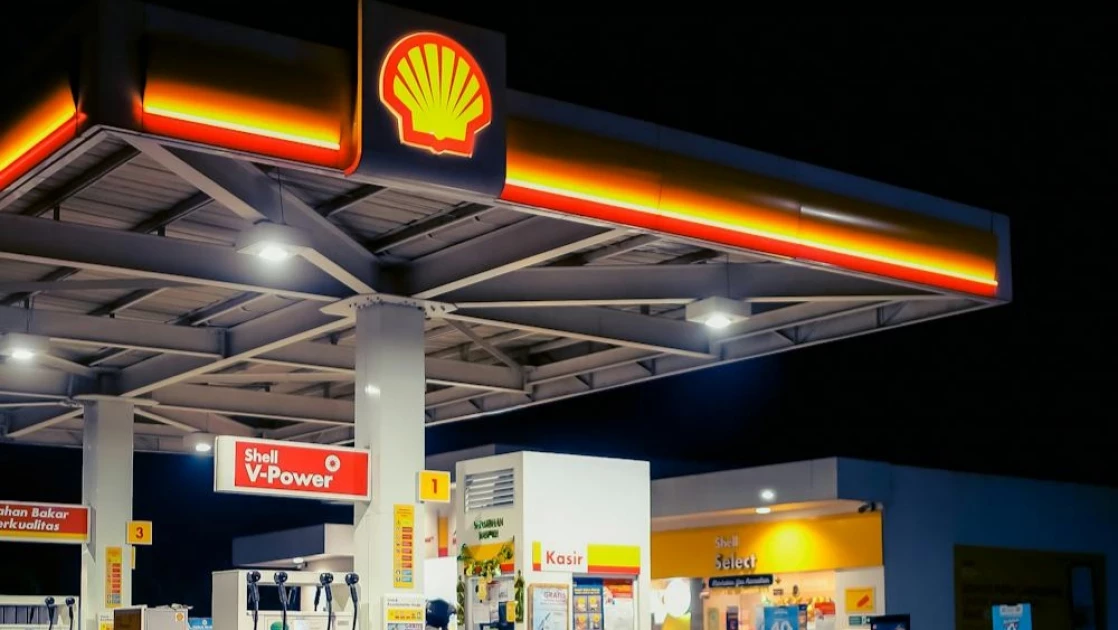
cted to provide much-needed relief to sectors that rely heavily on road transport, including public transport, logistics, farming and manufacturing. Industry players hope the lower operating costs will gradually translate into reduced transport charges and more stable prices for goods and services.
Fuel pricing remains one of the country’s most closely watched economic indicators, with changes often influencing the cost of transportation, food distribution and business operations across various industries.
EPRA reviews fuel prices every month using several factors, including international petroleum prices, shipping costs, exchange rate fluctuations and applicable taxes, before announcing the maximum retail prices for Super Petrol, Diesel and Kerosene.
The revised prices are now in effect across the country, with pump prices varying slightly from one region to another due to transportation and distribution costs.