

For the first time in Kenya’s history, national Labour Day celebrations were held Chavakali High School, Vihiga county with William Ruto leading the 61st fete on Friday, May 1.
The shift in venue signaled what the government described as a move toward inclusivity and decentralization, bringing the annual workers’ celebration closer to counties and grassroots communities.

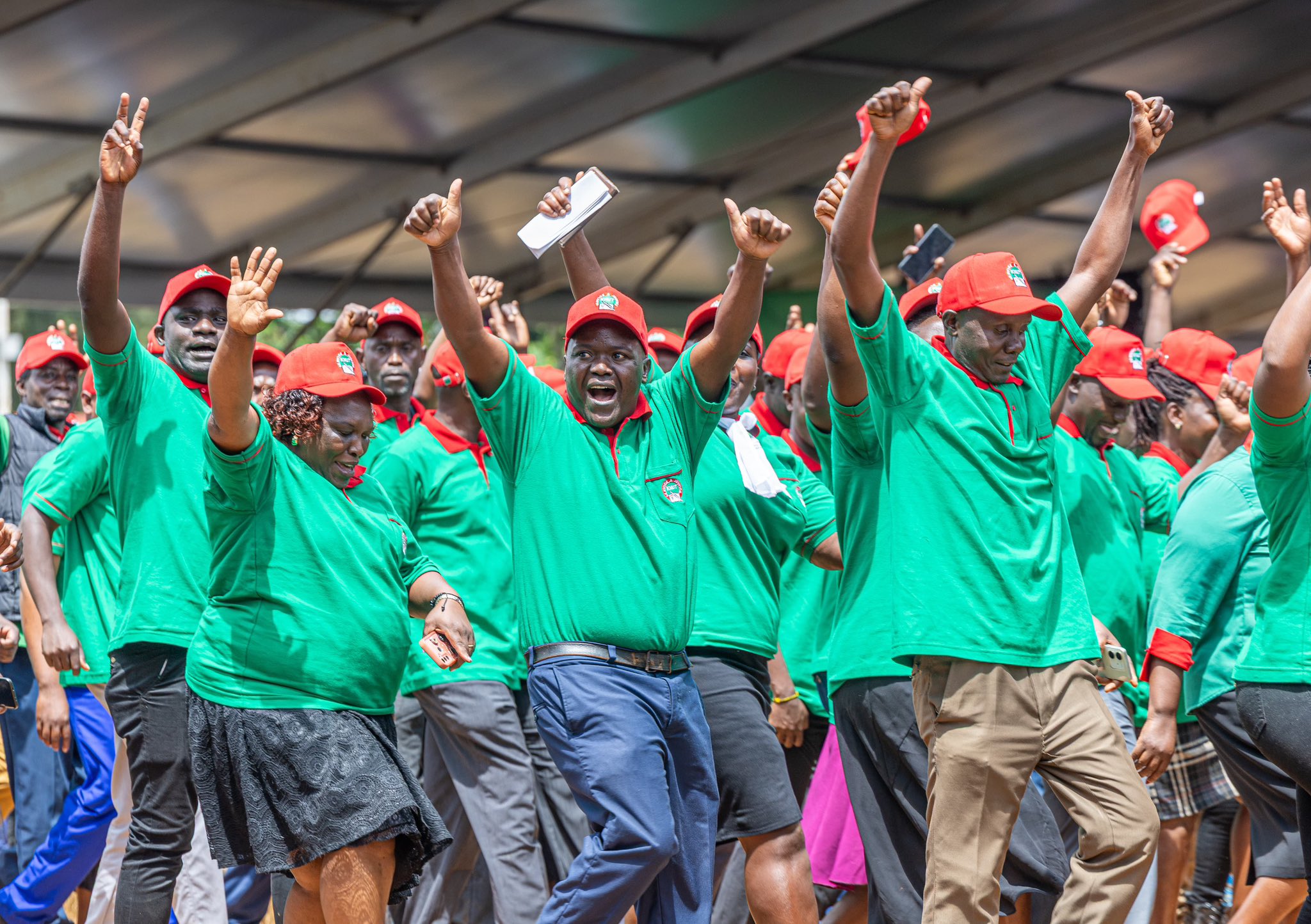
Thousands of workers from across sectors turned up for the event, marching in colorful processions and showcasing products and services that reflect Kenya’s diverse economy—from manufacturing and agriculture to security, education, and hospitality.
Addressing the gathering, President Ruto emphasized his administration’s focus on job creation and economic empowerment.
“Our priority is to create opportunities for every Kenyan to earn a dignified living. We are investing in sectors that will expand employment and support workers across the country,” he said.
The event was also attended by Francis Atwoli, who used the platform to push for better wages and improved working conditions amid the rising cost of living.

“Workers are the backbone of this economy, but many are struggling. We must address low wages, job insecurity, and ensure every worker is treated with dignity,” Atwoli stated.
Labour Day in Kenya, observed annually on May 1, serves as both a celebration of workers’ contributions and a platform to highlight pressing labour issues. This year’s theme centered on job creation, social protection, and strengthening workers’ rights in a changing economic landscape.

As workers marched past the presidential dais, companies and organizations—including Bata, EPZ firms, KCC, Securex, and teachers under KNUT—demonstrated their role in driving the economy. The displays reflected resilience across industries, even as many continue to navigate economic pressures.
Outside the formal speeches, workers voiced mixed feelings, pride in their contributions, but concern about everyday realities.
“We work hard, but the cost of living keeps rising. What we need now is action, not just promises,” said one attendee from the manufacturing sector.
The Vihiga celebrations may have marked a geographic shift, but the message remained familiar: Kenyan workers are calling for tangible change, better pay, more jobs, and policies that match the realities on the ground.